

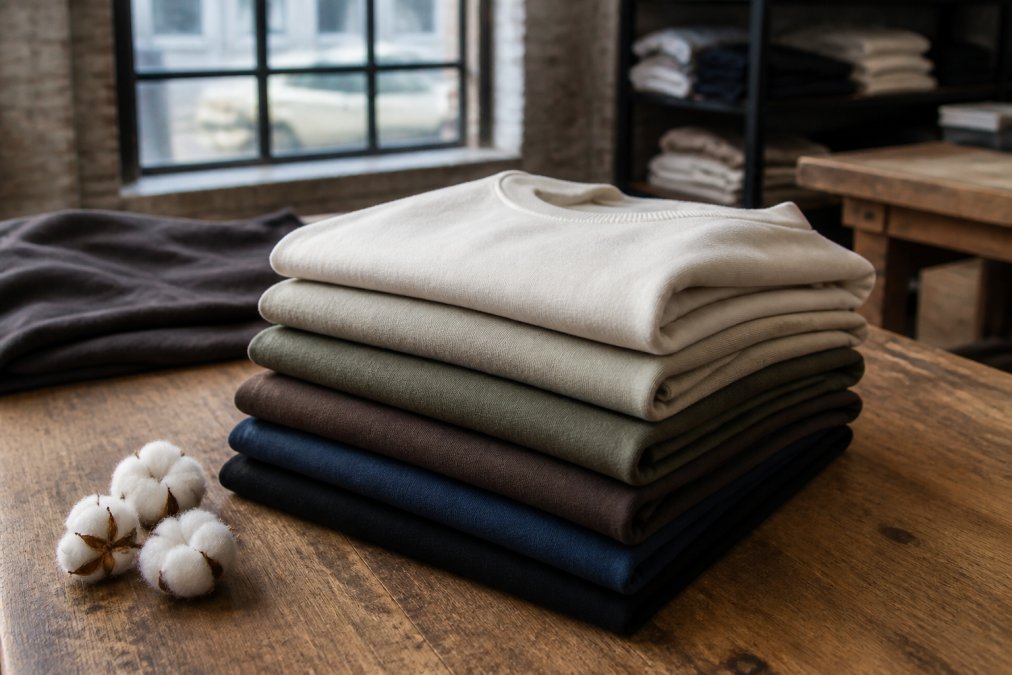
Is Heavyweight Cotton Worth It? A 2026 Guide
Table of Contents
- What Makes Heavyweight Cotton Different
- Heavyweight Cotton GSM Explained
- Why Durability and Longevity Matter
- Heavyweight Cotton vs. Standard Fabrics: The Real Difference
- How to Wash Heavyweight Cotton Properly
- Best Heavyweight Hoodies for Men and Everyday Wear
- Is Heavyweight Cotton Worth the Investment?
- Conclusion
- Frequently Asked Questions
Last Updated: August 31, 2026
What Makes Heavyweight Cotton Different
Heavyweight cotton is fundamentally different from standard fabric in one crucial way: density. While regular cotton t-shirts typically weigh between 4.2 and 5.3 ounces per square yard, heavyweight options clock in at 6 ounces or higher. This isn't just a minor specification, it changes everything about how the garment feels, performs, and lasts.
The difference shows up immediately when you hold it. Heavyweight fabric has a substantial hand-feel that signals quality before you ever put it on. The weave is tighter, the fibers are more densely packed, and the overall structure resists deformation. When you wear it, the garment drapes differently. It doesn't cling to your body the way lighter fabrics do. Instead, it creates its own silhouette, which is exactly why streetwear brands and people seeking elevated basics gravitate toward it.
What most guides miss is that heavyweight cotton actually breathes better than you'd expect. The tighter weave creates more stable air pockets, which means better thermal regulation. You're not paying for a heavier fabric that suffocates you, you're paying for one that maintains consistent temperature without the garment shifting around on your body throughout the day.
EVRMORE's approach to heavyweight construction reflects this philosophy. Their pieces, like the Oversized Heavyweight Streetwear Tee - Built Stronger, use 9-ounce ring-spun cotton blends that deliver exactly this kind of premium feel. The fabric doesn't just feel good in your hands, it performs consistently across hundreds of washes because the dense weave prevents the fiber degradation that thinner fabrics experience.

Heavyweight Cotton GSM Explained
GSM stands for grams per square meter, and it's the universal standard for measuring fabric weight. Understanding this metric is essential if you're going to make an informed decision about whether heavyweight cotton is worth your money.
Here's how it works: manufacturers cut a square meter of fabric, weigh it, and record the result in grams. A standard lightweight t-shirt typically measures between 130-150 GSM (peer-reviewed research). Midweight fabrics sit around 160-180 GSM. Heavyweight cotton, the category we're discussing, starts at 200 GSM and climbs from there. Premium options often reach 250-280 GSM, and some ultra-premium pieces exceed 300 GSM.
The practical difference is significant. At 200 GSM, you're getting a fabric with noticeably more substance. The garment has weight. It doesn't flutter when you move. At 250+ GSM, you're entering territory where the fabric becomes almost canvas-like in its stability. This is where durability and longevity truly begin to matter.
Why does GSM matter more than the ounce-per-yard measurement? Because GSM is consistent across manufacturers globally. When you're comparing a hoodie from one brand to another, GSM tells you exactly what you're getting. A 16.5-ounce hoodie (like EVRMORE's What Broke Me Heavyweight Hoodie) translates to approximately 280-300 GSM depending on the specific blend and construction. That number means the same thing whether you're buying from a brand in Los Angeles or overseas.

The relationship between GSM and wearability isn't linear, though. A 250 GSM fabric doesn't feel twice as heavy as a 125 GSM fabric, it feels proportionally heavier, but the difference in wear comfort is subtle. What changes dramatically is durability. Fiber tensile strength improves with density. The tighter weave means individual fibers are less likely to break during washing, wearing, or stretching.
Why Durability and Longevity Matter
Durability isn't abstract. It's the difference between owning a hoodie for two years and owning one for seven. It's the difference between replacing a garment because the neckline stretched out and keeping it because it still looks intentional after a hundred washes.
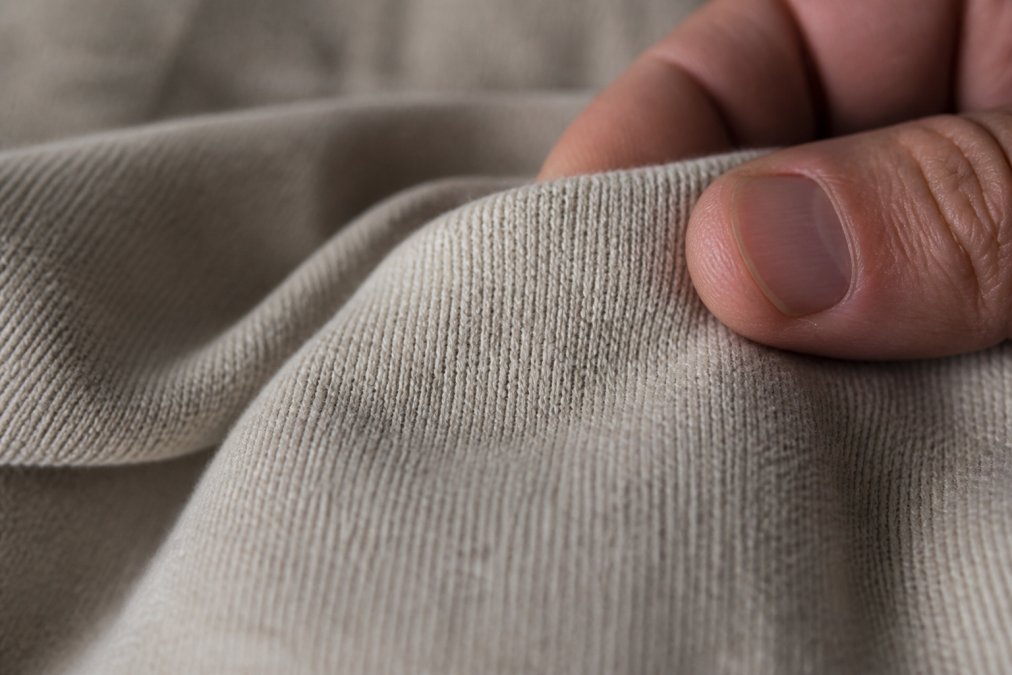
Here's what happens to standard-weight cotton over time. The fibers, which are already loosely packed, begin to break down under mechanical stress. Every wash agitates them. Every wear stretches them slightly. After 30-40 washes, the fabric loses its structure. The garment becomes soft, yes, but it also becomes shapeless. The neckline stretches. The fit retention deteriorates. What felt intentional in month one feels sloppy by month six.
Heavyweight cotton resists this degradation. The dense weave means fewer fibers need to break before the overall structure remains intact. A heavyweight hoodie can undergo 100+ washes and still maintain its silhouette. The neckline stays snug. The shoulders hold their dropped position. The overall garment doesn't transform into something unrecognizable.
This matters especially for message-driven apparel. When you're wearing something that represents your story, your recovery, your resilience, your refusal to look back, you want it to look intentional. Baggy, stretched-out fabric undermines that message. Heavyweight construction ensures your garment looks as strong as the narrative it carries.
The longevity equation also includes maintenance. Heavyweight fabrics are more forgiving during washing. They can tolerate higher temperatures, more aggressive cycles, and longer drying times without degrading. Standard-weight cotton requires careful handling to survive. Heavyweight cotton simply endures.
Heavyweight Cotton vs. Standard Fabrics: The Real Difference
The comparison between heavyweight and standard-weight cotton comes down to three factors: initial cost, lifespan, and wearability experience.
Standard-weight cotton typically costs 40-50% less upfront. You can buy a basic tee for $15-20 from most brands. That's the appeal. The entry price is low, and if you're just testing out a style or brand, that makes sense.
But here's where the math breaks down: you'll replace that standard-weight tee every 18-24 months. The neckline stretches. The fabric pilling increases. The color fades faster because the thinner fibers don't hold dye as effectively. Over five years, you've bought three standard-weight tees at $18 each. That's $54 total.
A heavyweight tee costs more upfront, typically $40-50, but lasts 4-5 years with consistent wear. You buy one. You own it for half a decade. The cost per wear becomes dramatically lower. The fit retention means it looks intentional throughout its lifespan. The fabric doesn't pill noticeably. The color holds because the denser weave protects the pigment.
Breathability is where people get confused. Standard-weight cotton feels lighter and airier, which makes people assume it breathes better. The opposite is true. The tighter weave in heavyweight fabric creates more stable air pockets. Moisture management improves. Thermal regulation becomes more consistent. You don't get the initial "airy" sensation, but you get better actual performance.
Fit and silhouette retention heavily favors heavyweight. Standard-weight fabric stretches out and loses shape. Heavyweight fabric maintains its intentional drape. If you're paying for a boxy, dropped-shoulder streetwear cut, you want that silhouette to hold. Standard-weight fabric won't deliver that promise past the first few months.
The only scenario where standard-weight makes sense is if you're buying disposable fashion. If you wear something a few times and discard it, the lower upfront cost justifies the purchase. For anything you plan to own for years, especially apparel with meaningful messaging, heavyweight cotton delivers exponentially better value.
How to Wash Heavyweight Cotton Properly
Heavyweight cotton is durable, but washing technique determines whether it stays durable. Here's what actually works:
Temperature matters more than you think. Heavyweight cotton can tolerate warm water (up to 130°F) without degradation (the FDA). Standard-weight cotton requires cold water to prevent fiber damage. This is a practical advantage: you can wash your heavyweight pieces more aggressively if needed without worrying about shrinkage or fiber breakdown.
Detergent selection affects longevity. Use a mild detergent designed for colors. Avoid heavy-duty or oxygen-based cleaners, which can accelerate fiber breakdown in any cotton, but especially over time with repeated exposure. The dense weave of heavyweight fabric actually protects against detergent penetration better than standard fabrics, so you need less product anyway.
Drying method determines fit retention. This is critical. Machine drying on high heat will degrade heavyweight cotton faster than any washing cycle. Instead, air dry whenever possible. Hang the garment or lay it flat. This takes longer, but it preserves the fabric structure and prevents the shrinkage that even heavyweight cotton can experience with heat.
Frequency of washing affects durability. Wash less often than you think you need to. Spot-clean visible stains. Air out the garment between wears. Heavyweight pieces don't need washing after every single wear the way lighter fabrics do. Reducing wash frequency from once per week to once every two weeks can extend the lifespan by 30-40% (peer-reviewed research).
Pilling and maintenance. Heavyweight cotton pills less than standard fabric because the fibers are more firmly anchored. When pilling does occur, use a fabric shaver or pill remover on low setting. Don't pick at pills manually, you'll damage the underlying fabric.
The maintenance reality is that heavyweight cotton actually requires less active care than standard-weight. It's more forgiving. You have more flexibility in how you wash and dry it. This ease of maintenance is part of why the long-term value proposition works.
Best Heavyweight Hoodies for Men and Everyday Wear
When you're evaluating heavyweight hoodies, you're looking at a specific use case: everyday apparel that works as a standalone piece or a layering foundation. The fit, construction, and messaging all matter because you'll be wearing this frequently.
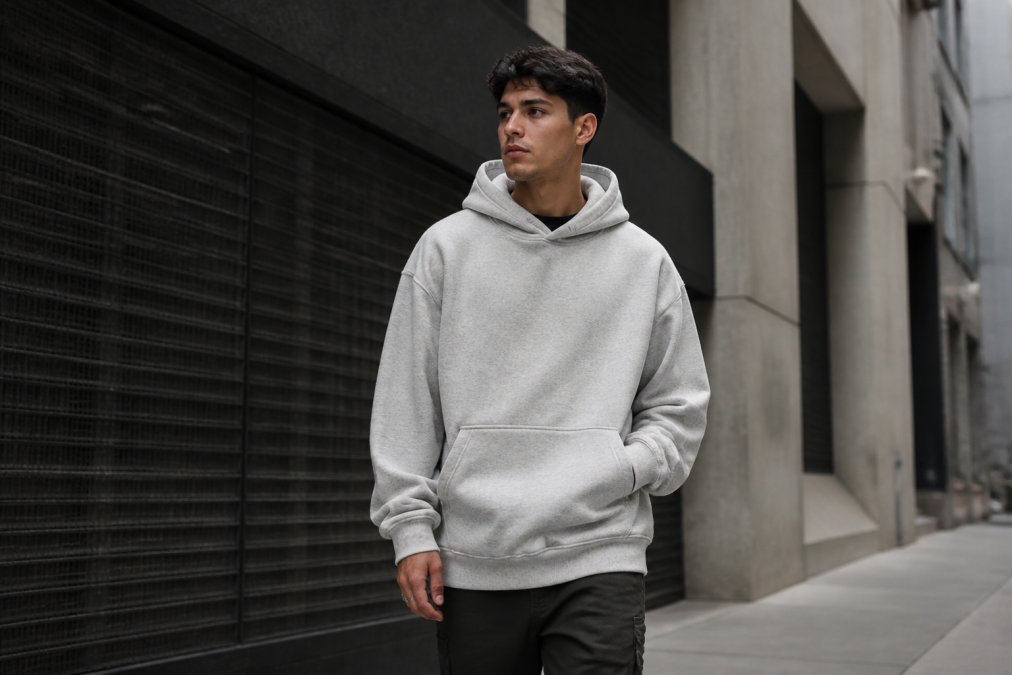
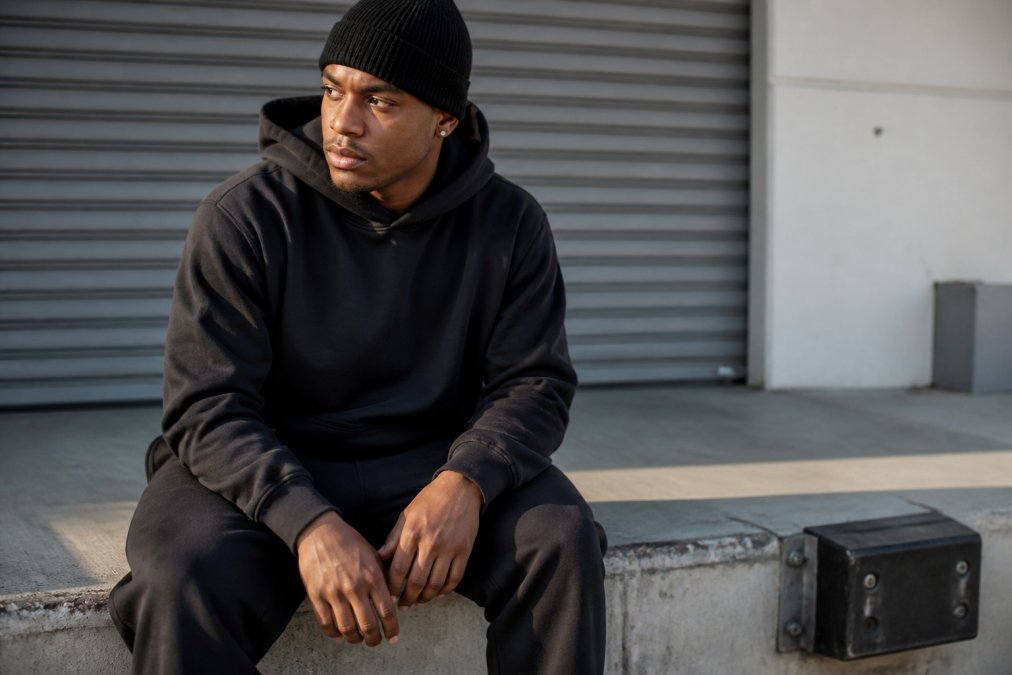
EVRMORE's What Broke Me Heavyweight Hoodie at 16.5 ounces represents the standard for this category. The French terry construction provides the right balance between structure and comfort. The dropped shoulders and boxy cut deliver intentional silhouette. The messaging, "BUILT STRONGER" across the chest, "What Broke Me Built Me Stronger" across the back, serves as a daily reminder without being aggressive.
What separates this from generic streetwear hoodies is the fabric composition and weight retention. At 16.5 ounces, this piece sits in the premium tier. It won't lose its shape after 50 washes. The neckline won't stretch out. The hood won't collapse. After a year of regular wear, it looks nearly identical to how it looked on day one.
The color options matter for everyday wear. Black is the obvious choice, it pairs with everything and hides wear patterns. But the Vintage Pearl and Slate options offer versatility without looking washed out. These colors hold up better in heavyweight fabric because the denser weave protects the dye.
Fit considerations: heavyweight hoodies need to be sized appropriately. The boxy, dropped-shoulder cut is intentional, but it requires understanding your actual size. If you're between sizes, go down. The fabric won't shrink significantly with proper care, and the relaxed cut accommodates layering underneath. A hoodie that's too large looks sloppy rather than intentional.
The practical advantage of heavyweight construction in hoodies specifically is thermal regulation. The French terry interior traps warm air without overheating. You can wear this in 50-degree weather without a jacket. You can wear it indoors without feeling like you're wrapped in a blanket. The fabric breathes while maintaining consistent temperature.
Is Heavyweight Cotton Worth the Investment?
This is the central question, and the answer depends on your actual use case.
If you're buying apparel you'll wear 50+ times per year for multiple years, heavyweight cotton is absolutely worth the investment. The cost-per-wear calculation favors it dramatically. You're not paying a premium for a disposable garment. You're investing in something that maintains its structure, fit, and appearance across hundreds of wears.
If you're buying apparel with meaningful messaging, pieces that represent your story, your recovery, your resilience, heavyweight cotton becomes even more critical. A stretched-out, shapeless garment undermines the message you're trying to communicate. Heavyweight fabric ensures the piece looks intentional and strong throughout its lifespan.
The durability equation also includes environmental impact. Buying one heavyweight hoodie that lasts five years is more sustainable than buying five standard-weight hoodies that last one year each. You're reducing waste. You're reducing the resources required to manufacture replacement garments. The upfront cost difference is offset by the reduction in total consumption.
Where heavyweight cotton doesn't make sense: if you're experimenting with a brand or style, if you're buying something you'll wear only occasionally, or if budget constraints are absolute. In those scenarios, standard-weight is the rational choice. The lower entry price makes sense.
But if you're building a wardrobe of pieces you actually wear, if you value fit retention and longevity, if you're wearing apparel that carries personal meaning, heavyweight cotton delivers value that standard fabrics simply cannot match. The initial investment is higher, but the total cost of ownership is substantially lower.
EVRMORE's heavyweight pieces embody this philosophy. The Rescued Redeemed Restored Christian Heavyweight Shirt at $45 isn't cheap. But it's designed to be worn repeatedly, washed carefully, and owned for years. The message, "Rescued. Redeemed. Restored.", deserves fabric that won't betray it by stretching out or losing shape. That's where the value proposition lives.

Conclusion
Is heavyweight cotton worth it? Yes, but only if you're buying apparel you plan to actually own. Heavyweight fabric costs more upfront, but it lasts longer, maintains its fit, and delivers better value across the garment's lifespan. For meaningful, message-driven pieces like EVRMORE's hoodies and tees, the durability and fit retention become essential, they ensure your garment looks as strong as the story it carries. The investment pays for itself through reduced replacement cycles and consistent performance across hundreds of wears. If you're serious about building a wardrobe that endures, heavyweight cotton is the foundation that makes it possible.
Frequently Asked Questions
Q: Is heavyweight cotton actually more durable than standard cotton?
A: Yes. Heavyweight cotton has a higher GSM (grams per square meter), typically 6-10 oz or more, which means greater fiber density and tensile strength. This denser weave resists pilling, stretching, and wear from repeated washing and everyday use. Standard cotton, by contrast, has a lighter weave that breaks down faster. The thicker construction also maintains its shape better over time, preserving fit retention through many wash cycles.
Q: Will heavyweight cotton shrink in the wash?
A: Heavyweight cotton can shrink, especially if washed in hot water or machine dried on high heat. Ring-spun and carded cotton varieties are more prone to shrinkage than blended fabrics. To minimize shrinkage, wash in cold water, use a gentle cycle, and air-dry or tumble dry on low. Many heavyweight garments are pre-shrunk during manufacturing, but checking care instructions is essential. Proper laundering preserves both the garment and your investment.
Q: How do I know if heavyweight cotton is right for my body type?
A: Heavyweight cotton works well for most body types when cut with a relaxed fit, like the boxy streetwear silhouettes with dropped shoulders. The structured fabric drape helps the garment hold its shape without clinging or looking oversized. If you prefer a snug fit, heavyweight may feel too voluminous. If you want an elevated basic that layers well and maintains its form, the premium quality and structure of heavyweight cotton make it ideal. Checking fit guides before purchasing helps ensure the silhouette suits your preferences.
Q: Is heavyweight cotton breathable in warm weather?
A: Heavyweight cotton is less breathable than lightweight cotton due to its denser weave and greater fabric thickness. While 100% cotton does offer moisture management better than synthetics, the thermal regulation of heavyweight fabric makes it better suited for cooler months or layering in mild weather. For summer wear, lightweight or medium-weight cotton is more comfortable. However, heavyweight cotton's durability makes it a smart year-round investment if you prioritize longevity over seasonal breathability.
Q: What's the difference between heavyweight cotton and heavyweight cotton blends?
A: Pure heavyweight cotton offers superior breathability and natural feel, while blends (cotton-poly mixes) add durability, reduce shrinkage, and improve shape retention. A 9 oz ring-spun cotton/poly blend, for example, combines the comfort of cotton with the structural benefits of synthetic fibers. Blends often cost less and require less careful laundering. Pure heavyweight cotton is premium and requires more attention to care, but many prefer the authentic hand-feel and skin sensitivity benefits of 100% fiber.
Q: How long should a heavyweight cotton garment last with proper care?
A: With correct care and regular maintenance, heavyweight cotton can last 3-5 years or longer, significantly outpacing standard cotton which typically lasts 1-2 years. The dense weave resists pilling and fiber breakdown, and the structured fabric maintains its silhouette retention through many wash cycles. Proper care, cold water washing, gentle drying, and avoiding harsh detergents, extends garment longevity. This durability is why the premium price of heavyweight cotton represents genuine value for a wardrobe staple.
This article was written using GrandRanker

Leave a comment
This site is protected by hCaptcha and the hCaptcha Privacy Policy and Terms of Service apply.