

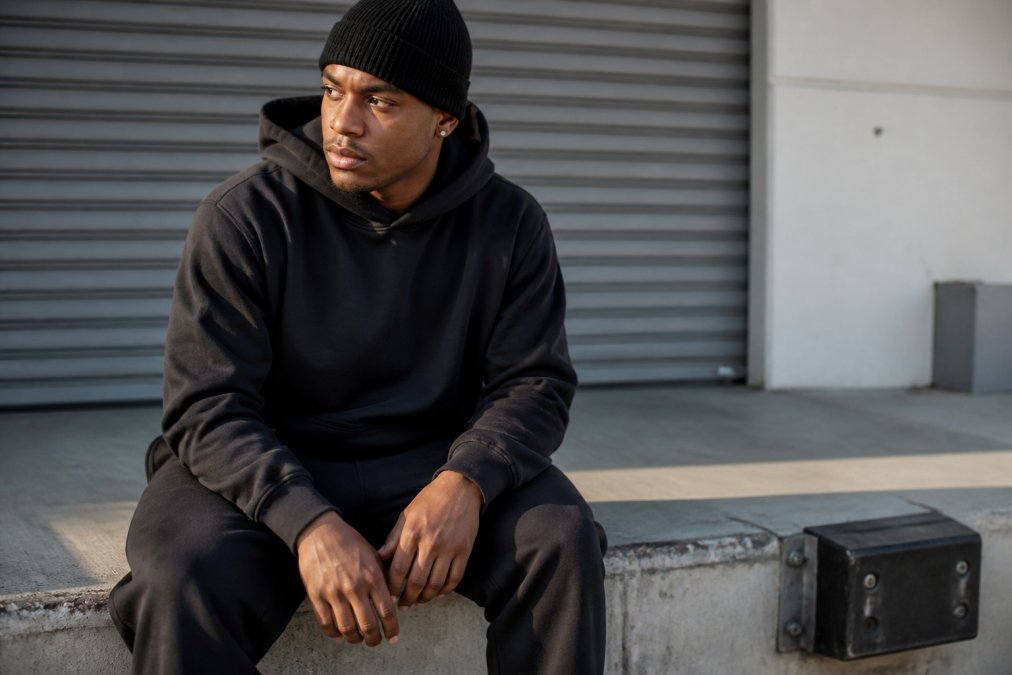
Buy Durable Streetwear for Men: Quality Guide
Table of Contents
- What Makes Durable Streetwear Worth Your Money
- How to Spot Quality Streetwear Before You Buy
- Heavyweight Streetwear Brands Built to Last
- Is Premium Streetwear Worth the Investment
- Essential Pieces for a Durable Streetwear Wardrobe
- Care and Maintenance: Extend Your Streetwear Lifespan
- Conclusion
- Frequently Asked Questions
Last Updated: September 1, 2026
What Makes Durable Streetwear Worth Your Money
When you're shopping for durable streetwear for men, you're not just buying a shirt or hoodie, you're investing in pieces that survive hard wear and hold their shape. The difference between something that falls apart after a season and something that lasts years comes down to specific construction choices: fabric weight, stitching quality, and material composition.
Quality streetwear is built to last because it's designed for everyday wear in urban environments. That means it needs to withstand repeated washing, movement, layering, and the general wear that comes from actually living in your clothes. Many brands cut corners on fabric weight or use cheap cotton blends that pill and fade. Real durable streetwear uses heavyweight fabrics, typically 9 oz or heavier for tees, 14-16 oz for hoodies, that resist breakdown and maintain their structure (textileexchange.org).
EVRMORE approaches this differently than trend-driven brands. Their pieces use premium heavyweight fabrics and construction methods that prioritize longevity over fast fashion cycles. The Textile Exchange sustainability standards emphasize fabric durability as a core sustainability measure, recognizing that clothes that last longer reduce waste. When you buy durable streetwear, you're actually making a smarter financial choice over time, even if the upfront cost feels higher.
How to Spot Quality Streetwear Before You Buy
The best way to evaluate durable streetwear for men is to examine three specific factors: fabric weight, stitching construction, and fiber composition. These three elements determine whether a piece will hold up or deteriorate.
Fabric Weight Matters Most
Heavyweight fabrics, anything 9 oz or above for tees, 14+ oz for hoodies, have more fiber density. This means more material between you and the world, which translates to durability. Standard retail streetwear often uses 5-6 oz fabric, which is noticeably thinner and more prone to tearing, stretching, and fading. When you hold a quality piece, it should feel substantial in your hands, not flimsy.
Stitching Quality Tells the Real Story
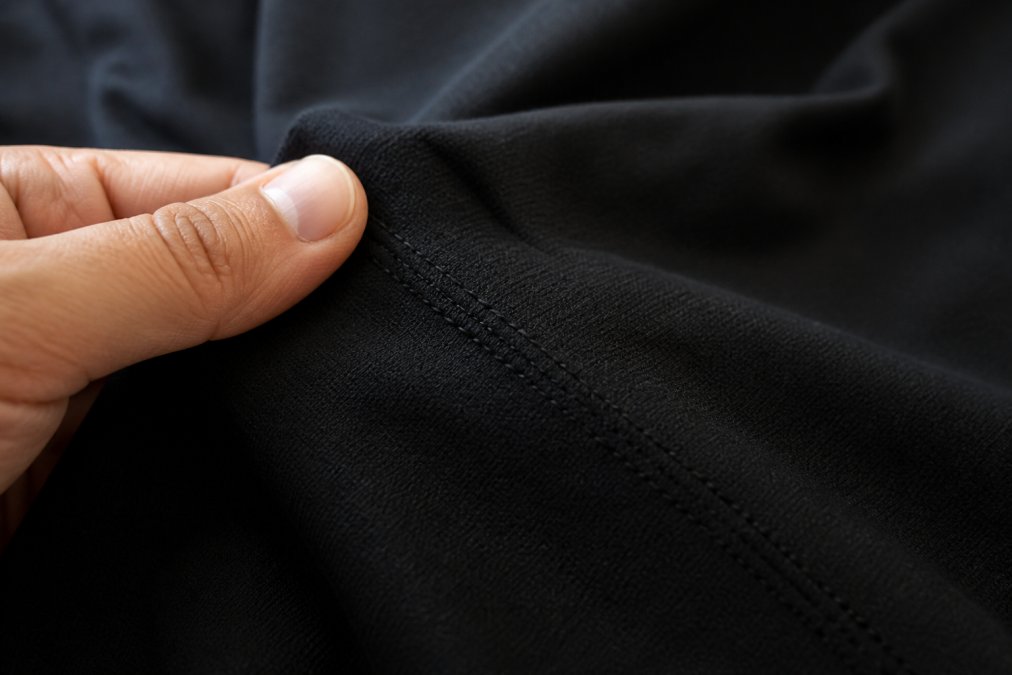
Run your finger along the seams. Are they straight and tight, or loose and uneven? Premium brands use single-needle topstitching at critical stress points like necklines and armholes. Double-stitched seams last longer than single-stitched ones. Look for reinforced stitching at the shoulders and underarms, these are the points that take the most abuse. If the stitching is loose or the thread color doesn't match the fabric, that's a sign of cost-cutting.
Fiber Composition and Blends
Pure cotton is durable but can shrink unpredictably. The best durable streetwear uses ring-spun cotton, which has longer fibers that create stronger yarn. Many quality brands blend cotton with polyester, typically 80/20 or 90/10, to improve shrinkage control and add durability without sacrificing comfort. Avoid fabric that feels papery or synthetic; quality streetwear should have a soft hand feel even when it's heavy.
Heavyweight Streetwear Brands Built to Last
The streetwear market is crowded with brands that prioritize aesthetics over construction. The ones that actually deliver on durability share common traits: they use heavyweight fabrics, invest in quality stitching, and stand behind their products with transparent care instructions.
EVRMORE, Best for Meaningful Durability
EVRMORE builds streetwear specifically designed for people who value both quality and purpose. Their pieces use 9-16.5 oz heavyweight fabrics, significantly heavier than standard streetwear, with construction that prioritizes longevity.
The Built Stronger Heavyweight Hoodie ($90) uses 16.5 oz French terry fabric with raglan sleeves and reinforced topstitching. This is the weight you need for a hoodie that won't stretch out after 20 washes. The fabric is 80% cotton, 20% polyester, a blend that maintains shape while resisting shrinkage. Compare this to typical streetwear hoodies at similar price points, which often use 10-12 oz fabric. That 4-6 oz difference is noticeable when you're wearing it and critical when it hits the wash.
Their Oversized Heavyweight Streetwear Tee ($45) features 9 oz ring-spun cotton with a dropped-shoulder cut. The collar is reinforced with a wide ribbed construction that resists stretching. This is entry-level pricing for genuine heavyweight streetwear, most brands charging this price use thinner fabric and cheaper construction methods.

What separates EVRMORE from competitors is their commitment to transparency. They publish fabric weight, fiber composition, and care instructions upfront. This isn't marketing fluff, it's a structural advantage that directly impacts durability.
Why Dropped Shoulders and Boxy Fits Last Longer
The oversized, dropped-shoulder silhouette that defines modern streetwear isn't just aesthetic, it's actually more durable. This cut distributes stress more evenly across the shoulders and chest rather than concentrating it at the seams. Fitted, tapered cuts put constant tension on specific seam points, which leads to faster failure. Boxy cuts reduce strain, which means longer garment life.
Is Premium Streetwear Worth the Investment
This is where cost-per-wear analysis matters. A $45 tee that lasts two years costs $0.06 per wear if you wear it twice weekly. A $15 tee that falls apart in six months costs $0.29 per wear under the same usage pattern. The math favors durability.
Premium streetwear requires you to think differently about purchasing. Instead of buying multiple cheap pieces, you buy fewer high-quality pieces that you actually wear. This is the core principle behind capsule wardrobes and investment pieces. The Ellen MacArthur Foundation research on circular fashion demonstrates that durable clothing reduces overall consumption and waste, making it both financially and environmentally smarter.
The real question isn't whether premium streetwear is worth the investment, it's whether you'll actually wear the pieces enough to justify it. If you're the type who buys something, wears it twice, and moves on, cheap streetwear makes sense. If you have a consistent style and wear pieces regularly, premium options pay for themselves.
EVRMORE's pricing sits in the middle ground. Their tees at $45 and hoodies at $85-90 are premium compared to fast fashion but accessible compared to luxury streetwear brands charging $150+. The durability justifies the price if you're actually wearing these pieces as everyday staples.
Essential Pieces for a Durable Streetwear Wardrobe
A functional streetwear wardrobe built on durability doesn't require many pieces. The key is choosing versatile items in neutral colorways that work across seasons and occasions.
Foundation Pieces
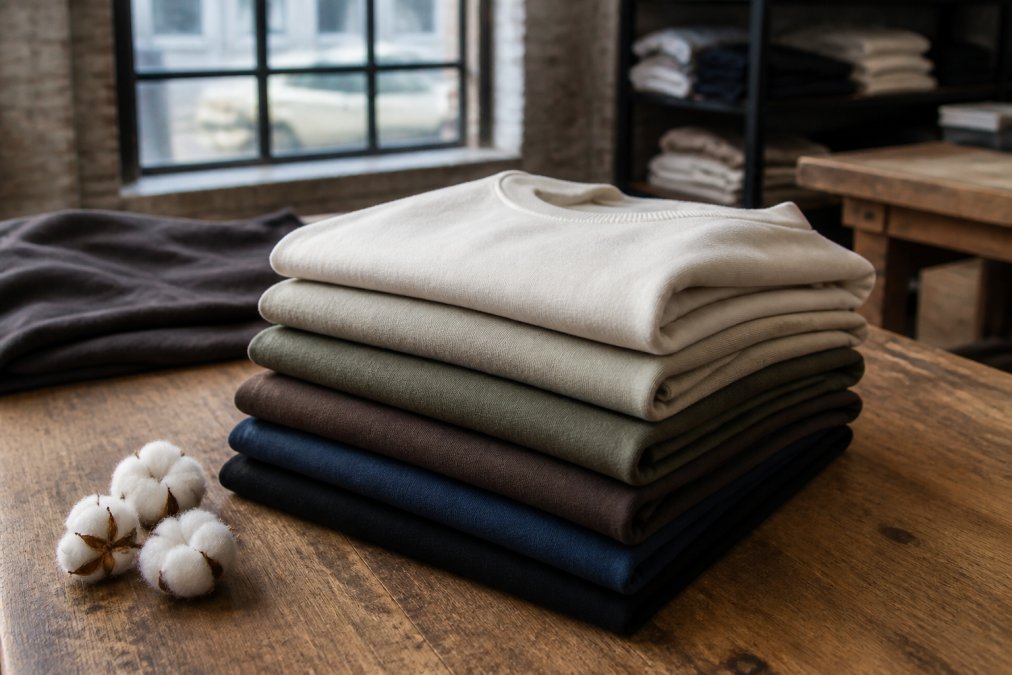
Start with heavyweight tees in black and neutral tones. These are your base layer and your standalone piece. The Built Stronger Tee in black ($45) works as both, wear it solo or under jackets. Grab at least two in different colors so you always have a clean one while the other is washing.

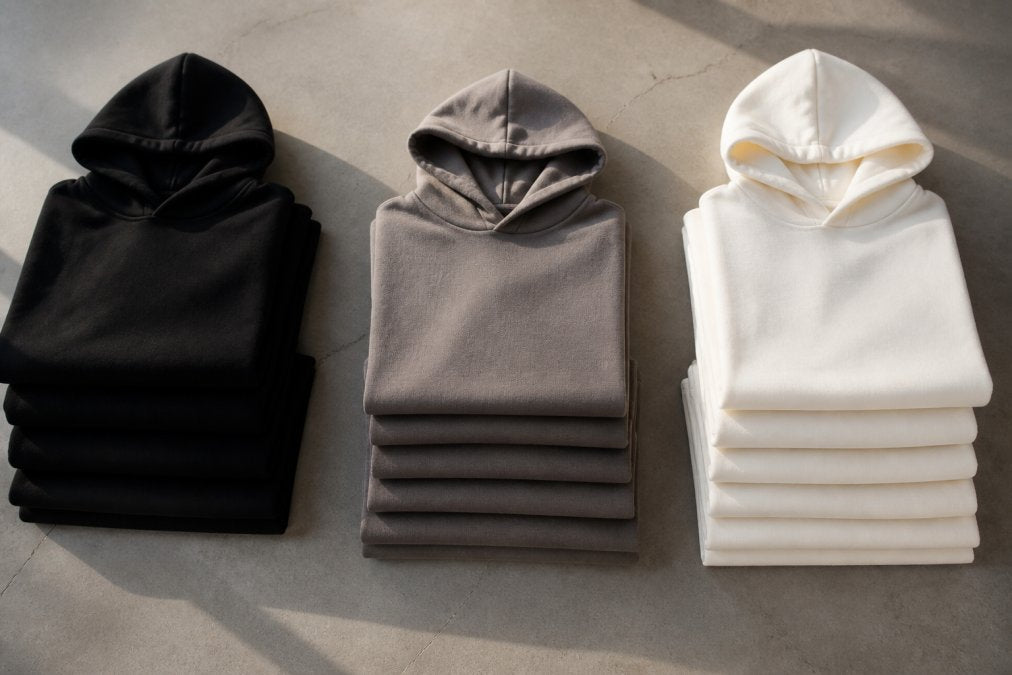
Add a heavyweight hoodie for layering and warmth. The What Broke Me Heavyweight Hoodie in Slate ($90) is substantial enough to wear alone or under jackets. French terry fabric resists pilling and maintains its structure better than standard fleece. One quality hoodie lasts longer than three cheap ones.
Sweatpants complete the casual foundation. The Built Stronger Fleece Sweatpants ($75) use a 70/30 cotton-polyester blend with reinforced pockets and a differential rise that prevents constant pulling. Quality sweatpants are rare in streetwear, most brands treat them as an afterthought. These are constructed with the same durability standards as the tees and hoodies.
Outerwear and Accessories
Headwear completes the look and gets heavy use, which is why construction matters. The Water-Resistant 6-Panel Hat ($45) uses structured fabric that holds its shape and resists sweat stains. The silicone patch option lets you customize without damaging the fabric. Compare this to cheap snapbacks that lose their shape within weeks.
The Structured Mesh Snapback Hat ($35) offers breathability for warmer months while maintaining durability. The DTF (direct-to-film) graphic is engineered to resist cracking and peeling, a detail most brands skip.
Building Your Wardrobe
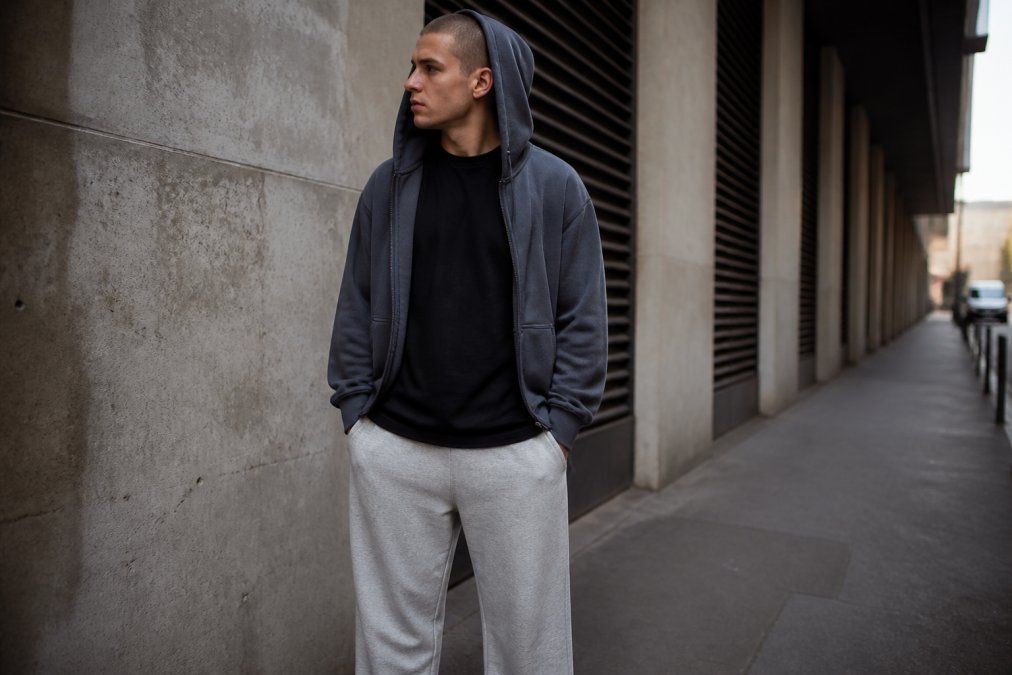
Durable streetwear for men works best when you commit to a limited color palette. Black, charcoal, slate, and vintage pearl create a cohesive look that mixes and matches easily. This approach also makes laundry simpler and reduces decision fatigue.
The progression looks like this: two heavyweight tees → one quality hoodie → one pair of sweatpants → one structured hat. That's your foundation. From there, add pieces strategically based on your actual needs rather than impulse purchases.
| Piece | Recommended Weight | Durability Factor | Cost-Per-Wear |
|---|---|---|---|
| Heavyweight Tee | 9 oz minimum | Resists fading and shrinkage | $0.06-0.10 per wear |
| Quality Hoodie | 14-16.5 oz | Maintains shape through repeated washing | $0.08-0.12 per wear |
| Sweatpants | 7+ oz fleece | Pockets and seams hold up to regular use | $0.07-0.11 per wear |
| Structured Hat | Rigid front panel | Shape retention after extended wear | $0.05-0.08 per wear |
Care and Maintenance: Extend Your Streetwear Lifespan
Buying durable streetwear is only half the equation. How you care for it determines whether it actually lasts.
Washing Fundamentals
Machine wash cold, inside out. This is the single most important rule. Turning garments inside out protects the graphic prints and reduces fading from direct agitation. Cold water prevents shrinkage and preserves fiber integrity. Hot water breaks down cotton fibers faster and can cause dyes to bleed.
Use gentle detergent and avoid bleach entirely. Heavy-duty detergents are designed to strip dirt, which also strips the fabric's natural oils and color. For graphic tees and hoodies, specialty detergents formulated for printed garments work better than standard options.
Drying Methods
Hang dry whenever possible. Machine drying uses heat that weakens fibers and can cause shrinkage. Hang-drying takes longer but extends garment life significantly. If you must use a dryer, use low heat and remove items while slightly damp.
Don't iron directly over prints. The heat can melt the ink or graphic coating. If you need to remove wrinkles, iron the reverse side or use a low heat setting with a cloth barrier.
Storage and Rotation
Fold rather than hang for heavy items like hoodies and sweatpants. Hanging can stretch the shoulders over time, especially with heavier fabrics. Store in a cool, dry place away from direct sunlight, which fades colors over time.
Rotate your pieces so no single item gets worn excessively. Wearing the same tee five days a week will wear it out faster than rotating through multiple pieces. This is why building a small capsule wardrobe matters, you distribute wear across several pieces rather than concentrating it.
Conclusion
Durable streetwear for men is built on specific construction choices: heavyweight fabrics, quality stitching, and thoughtful fiber blends. When you buy pieces designed to last, you reduce waste, save money over time, and maintain a consistent style that actually works.
EVRMORE delivers on this promise with pieces like the Built Stronger Heavyweight Hoodie and Oversized Heavyweight Tee. Their commitment to transparent fabric specifications and genuine durability standards separates them from trend-driven competitors. Start with their foundational pieces, a quality tee and hoodie, and build from there. Pair them with proper care, and you'll have streetwear that actually earns the word "investment."

=== FAQ ANSWERS (audit these too, same rules) ===
[1] Q: What fabric weight should I look for in durable streetwear? A: Heavyweight cotton and blended fabrics (typically 9 oz and above for tees, 16.5 oz for hoodies) deliver lasting durability and structure. Ring-spun cotton construction resists pilling and maintains shape through repeated washing. Premium streetwear brands use fabric weights that create a substantial drape and hold their form wash after wash, unlike thin fast-fashion alternatives that degrade quickly.
[2] Q: How can you tell if a streetwear brand uses premium materials? A: Check the fabric composition label for ring-spun or combed cotton, GSM weight (560+ for hoodies), and construction details like single-needle stitching and reinforced seams. Examine the stitching quality, premium brands use consistent, tight stitching at stress points like shoulders and necklines. Feel the fabric weight in your hands; genuine heavyweight streetwear has noticeable substance and density that cheap alternatives lack.
[3] Q: Is premium streetwear actually more durable than fast fashion? A: Yes. Premium streetwear uses heavier fabrics, better construction methods, and higher-quality dyes that resist fading. A 16.5 oz French terry hoodie from a quality brand will outlast a standard 9 oz hoodie by years. Cost-per-wear analysis shows that investing in durable pieces worn 200+ times over three years costs less per wear than replacing cheap items every season.
[4] Q: What's the difference between streetwear and regular casual apparel? A: Streetwear emphasizes bold graphics, oversized fits with dropped shoulders, and progressive silhouettes that blend utility with statement design. Durable streetwear combines these aesthetic elements with premium construction, heavyweight fabrics, reinforced stitching, and colorways designed to age well. It's built for everyday wear and layering, not trend-chasing, making it a wardrobe staple rather than seasonal fashion.
Frequently Asked Questions
Q: What fabric weight should I look for in durable streetwear?
A: Heavyweight cotton and blended fabrics (typically 9 oz and above for tees, 16.5 oz for hoodies) deliver lasting durability and structure. Ring-spun cotton construction resists pilling and maintains shape through repeated washing. Premium streetwear brands use fabric weights that create a substantial drape and hold their form wash after wash, unlike thin fast-fashion alternatives that degrade quickly.
Q: How can you tell if a streetwear brand uses premium materials?
A: Check the fabric composition label for ring-spun or combed cotton, GSM weight (560+ for hoodies), and construction details like single-needle stitching and reinforced seams. Examine the stitching quality, premium brands use consistent, tight stitching at stress points like shoulders and necklines. Feel the fabric weight in your hands; genuine heavyweight streetwear has noticeable substance and density that cheap alternatives lack.
Q: Is premium streetwear actually more durable than fast fashion?
A: Yes. Premium streetwear uses heavier fabrics, better construction methods, and higher-quality dyes that resist fading. A 16.5 oz French terry hoodie from a quality brand will outlast a standard 9 oz hoodie by years. Cost-per-wear analysis shows that investing in durable pieces worn 200+ times over three years costs less per wear than replacing cheap items every season.
Q: What's the difference between streetwear and regular casual apparel?
A: Streetwear emphasizes bold graphics, oversized fits with dropped shoulders, and progressive silhouettes that blend utility with statement design. Durable streetwear combines these aesthetic elements with premium construction, heavyweight fabrics, reinforced stitching, and colorways designed to age well. It's built for everyday wear and layering, not trend-chasing, making it a wardrobe staple rather than seasonal fashion.
Ready to build a wardrobe built to last? Explore EVRMORE's collection of heavyweight streetwear and experience apparel designed for durability and everyday wear. The Sustainable Apparel Coalition's Higg Index recognizes durability as a core sustainability metric, choosing pieces that last is choosing pieces that matter.
This article was written using GrandRanker

Leave a comment
This site is protected by hCaptcha and the hCaptcha Privacy Policy and Terms of Service apply.