

Is Expensive Streetwear Worth the Cost
Table of Contents
- What Actually Drives the Cost of Expensive Streetwear
- How to Spot High Quality Streetwear
- Streetwear Fabric Weight Guide and Material Standards
- Cost-Per-Wear: The Real Measure of Value
- Is Expensive Streetwear Worth the Cost for Your Wardrobe
- How to Care for Heavyweight Cotton Hoodies
- Identifying Fake Value and Hype-Driven Pricing
- Conclusion
Last Updated: August 22, 2026
What Actually Drives the Cost of Expensive Streetwear
When you're looking at a $90 hoodie, the sticker shock is real. But expensive streetwear worth the investment depends entirely on what's actually built into that garment. The price isn't arbitrary, it reflects material quality, construction methods, and the brand's commitment to durability.
Premium streetwear brands use heavyweight fabrics that cost significantly more per yard than standard alternatives. A 16.5 oz French terry hoodie requires different looms, higher-quality cotton blends, and more precise manufacturing than the 6-8 oz material you'll find in fast fashion options (peer-reviewed research). That material difference alone accounts for a substantial portion of the cost.

Then there's the construction. Expensive streetwear worth buying features reinforced seams, double-stitched hems, and neck ribbing that won't stretch out after five washes. Brands investing in quality use better thread, more stitches per inch, and construction techniques that take longer. A boxy streetwear cut with dropped shoulders requires pattern precision that mass production simply doesn't prioritize.
Labor and production location matter too. Manufacturing in facilities that maintain strict quality standards costs more than outsourcing to the cheapest option available. EVRMORE, for example, produces their heavyweight hoodies with attention to detail that reflects in durability and fit, not a race to the bottom on price.
The final component is brand equity. A brand with a track record of delivering quality builds reputation over time. That reputation means something: it's a signal that the company stands behind its products and has invested in systems to maintain consistency. This isn't hype-driven pricing, it's the cost of reliability.
How to Spot High Quality Streetwear
High-quality streetwear reveals itself in details. If you know what to look for, you can distinguish genuine craftsmanship from marketing fluff within seconds of handling a piece.
Garment Construction and Stitching
Start with the seams. Run your finger along the inside of a sleeve or down the side panel. Quality stitching feels even, with consistent tension throughout. The thread shouldn't be loose or puckered. Count the stitches if you're serious, premium pieces typically have 2-3 stitches per inch on seams, while fast fashion often has 1-1.5 (astm.org).
Check the hems. The bottom edge of a quality hoodie should be folded and stitched, not just serged and left raw. Neck ribbing deserves special attention: pull gently on it. If it springs back immediately, the elastic has been properly constructed. If it stays stretched, the ribbing won't survive regular washing.
Look at how the sleeves attach to the body. On quality pieces, the armhole seam is clean and reinforced. The sleeve cap sits properly without bunching or puckering. Seams that twist or pull indicate rushed manufacturing.
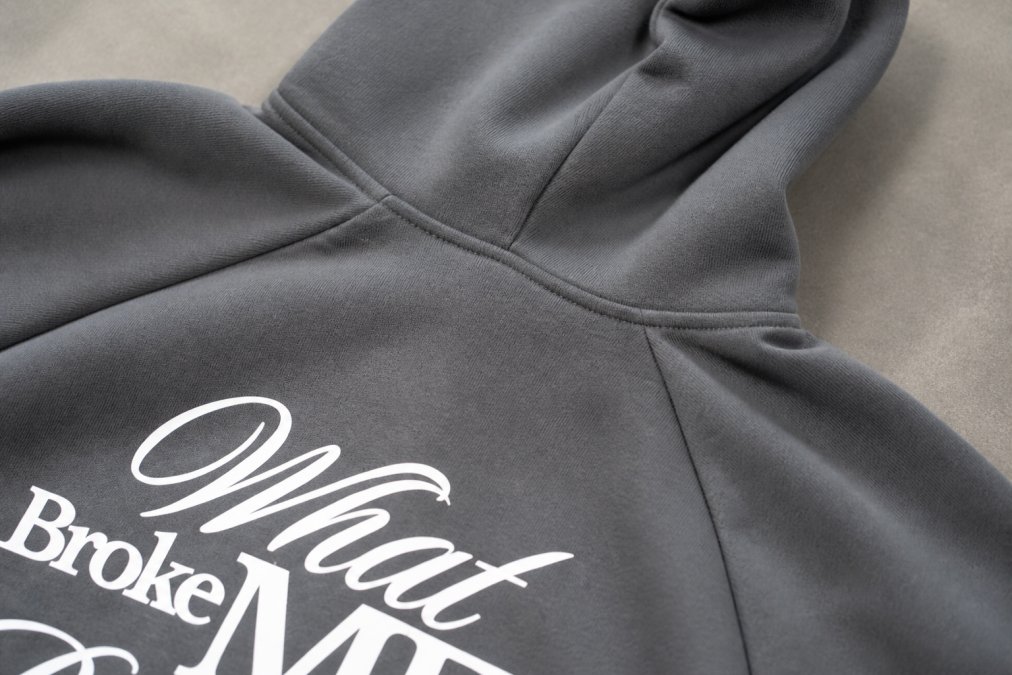
Graphic placement and print quality matter. Direct-to-garment (DTF) prints on quality streetwear sit flat and feel soft to the touch. They don't crack after a few washes. The print should be precisely aligned with no color bleeding or registration errors.
Brand Reputation and Track Record
A brand's history tells you everything. How long have they been operating? Do they have visible customer reviews, or are they hiding behind vague marketing language? Brands that have been around for years and maintain consistent quality do so because they've built systems to ensure it.
Look for transparency. Quality brands publish information about their materials, construction methods, and sometimes even their supply chain. They answer specific questions about durability and care. EVRMORE, for instance, publishes detailed fabric specifications and care instructions because they stand behind their products.
Customer feedback is revealing. Not the five-star reviews on their own site, look for independent mentions, social proof, and long-term wear reports. If people are still wearing and recommending a brand's pieces after a year, that's a strong signal. If the same complaints appear repeatedly, that's a red flag.
Streetwear Fabric Weight Guide and Material Standards
Fabric weight is measured in ounces per square yard (oz/yd²). This number directly correlates to durability, warmth, and longevity.
Lightweight streetwear fabrics fall in the 5-8 oz range (astm.org). These are comfortable for layering but lack the substance needed for all-day wear without degradation. They're prone to pilling, stretching, and fading.
Midweight fabrics (10-14 oz) offer a balance between comfort and durability. Many brands market these as "premium," and they're adequate for regular wear if construction is solid. However, they'll show wear faster than heavier options.
Heavyweight fabrics start at 14 oz and go up. The sweet spot for streetwear hoodies is 16-18 oz. At this weight, the fabric has enough substance to maintain its shape, resist pilling, and withstand repeated washing. EVRMORE's 16.5 oz French terry hoodies fall into this category, they're built to last years, not months.
Cotton quality matters as much as weight. Long-staple cotton fibers create stronger, softer fabrics that age better. Short-staple cotton breaks down faster and pills more easily. Premium brands specify their cotton source and staple length.
Blends change the equation. Cotton-polyester blends add durability and reduce wrinkles, but they feel different and age differently than pure cotton. Pure cotton pieces develop character over time, they soften and conform to your body. Blends maintain consistency but lack that evolution.
Cost-Per-Wear: The Real Measure of Value
This is where expensive streetwear worth the cost becomes quantifiable. Cost-per-wear removes emotion from the equation and forces you to think about actual value.
The calculation is simple: divide the purchase price by the number of times you'll wear the piece. A $90 hoodie worn 100 times costs $0.90 per wear. Worn 200 times, it's $0.45 per wear. A $30 fast fashion hoodie that falls apart after 20 wears costs $1.50 per wear.
Quality pieces change this math dramatically. A heavyweight hoodie that lasts three years of regular wear (150+ times per year in some cases) distributes its cost across hundreds of wears. Even at $90, you're looking at pennies per wear once you hit 200+ uses.
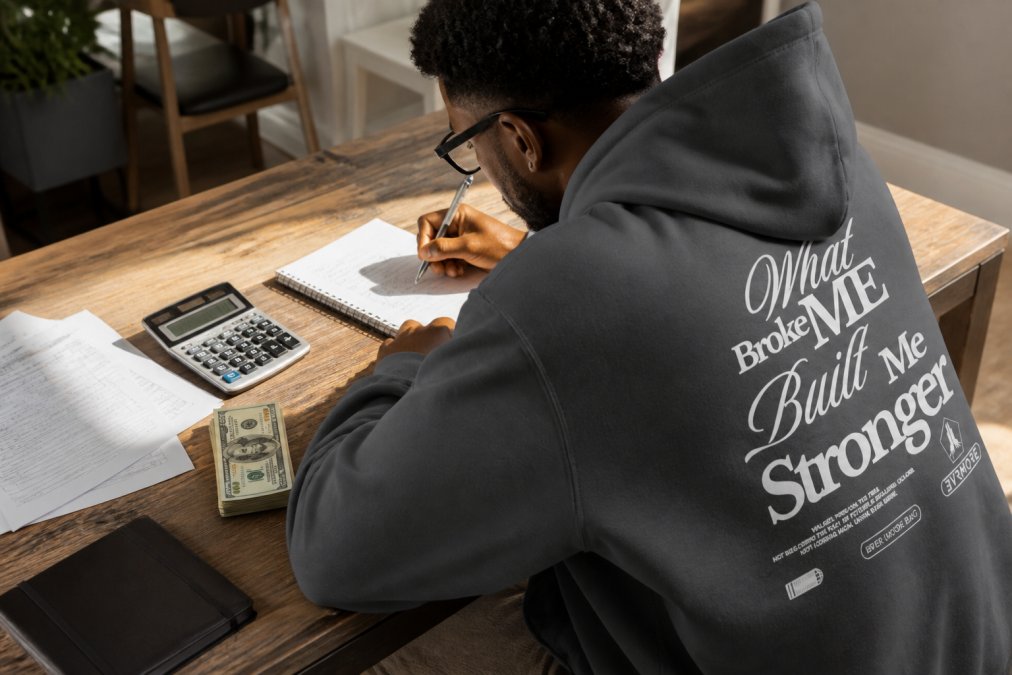
The calculation reveals why cheap pieces are often expensive. A $25 tee that lasts six months of regular wear is a poor investment compared to a $45 quality tee that lasts two years. The math doesn't lie.

This framework also prevents overbuying. If you're unlikely to wear something 50+ times, the price point matters less than if you're building a wardrobe staple. Pieces you'll rotate constantly justify higher upfront costs. Experimental pieces or occasional-wear items don't.
Is Expensive Streetwear Worth the Cost for Your Wardrobe
Whether expensive streetwear worth the investment depends on your specific situation, not universal rules.
If you're building a capsule collection, a small set of versatile, high-quality pieces that work together, premium streetwear makes sense. These pieces anchor your wardrobe and get worn constantly. The cost-per-wear calculation favors quality because you'll hit those 200+ wears easily.
If you're experimenting with style or trying trends, expensive streetwear isn't the right choice. Trends shift. Styles evolve. Dropping $90 on a piece you might abandon in six months is wasteful. Fast fashion serves a purpose here: it lets you explore without financial risk.
Your lifestyle matters. If you work in a professional environment and wear streetwear only on weekends, the math changes. You might wear a piece 50 times per year instead of 200. That shifts the cost-per-wear calculation and may justify mid-range options instead of premium.
Climate and seasonality affect the equation too. A heavyweight hoodie in a cold climate gets worn year-round. In warmer regions, it sits in a drawer most of the year. Regional context changes whether that $90 investment makes sense.
Budget flexibility is real. If you can only afford to buy one piece every few months, premium makes sense because each piece needs to work harder. If you can refresh your wardrobe quarterly, you have room for mid-range options that you'll replace more frequently.
EVRMORE pieces are designed for people building intentional wardrobes around pieces that mean something. The heavyweight construction and refined aesthetic work for people who plan to wear the same hoodie or tee repeatedly over years. If that describes your approach, the premium price point aligns with actual value.
How to Care for Heavyweight Cotton Hoodies
Proper care extends the life of expensive streetwear worth the investment. Heavyweight pieces demand specific handling to maintain their integrity.
Wash in cold water, always. Hot water breaks down cotton fibers and causes color fading. Cold water preserves both the fabric and the dye. Turn the piece inside out before washing to protect graphic prints and reduce pilling on the exterior.
Use a gentle detergent. Heavy-duty or enzyme-based detergents are unnecessary and can damage premium fabrics. A standard gentle detergent works fine. Skip fabric softener, it leaves residue that breaks down cotton fibers over time.
Wash with similar colors only. Heavyweight pieces often have rich dyes that can bleed slightly in early washes. Washing separately or with similarly colored items prevents color transfer.
Dry flat or hang dry whenever possible. Machine drying generates heat that stresses fibers and causes shrinkage. Heavyweight cotton especially benefits from air drying, it takes longer but preserves the fabric structure. If you must use a dryer, use low heat and remove while still slightly damp.
Store properly. Fold heavyweight pieces rather than hanging them long-term. The weight of the fabric can cause stretching at the shoulders if hung continuously. A cool, dry closet is ideal. Avoid plastic storage, cotton needs to breathe.
Expect evolution, not deterioration. Quality heavyweight pieces develop character over time. They soften, colors deepen, and they conform to your body. This isn't damage, it's the natural aging of premium materials. Embrace it.
Identifying Fake Value and Hype-Driven Pricing
Not all expensive streetwear is worth the cost. Learning to distinguish genuine value from marketing hype saves money and prevents disappointment.
Hype-driven pricing relies on scarcity and influencer culture. Limited releases create artificial demand. A piece isn't expensive because it's better, it's expensive because only 500 were made and 5,000 people want one. Once the hype fades, the resale value crashes.
Watch for brands that prioritize storytelling over specifications. If a brand talks extensively about "vibes" or "aesthetic" but never mentions fabric weight, stitching details, or construction methods, that's a warning sign. Genuine quality speaks through concrete details, not vague marketing language.
Examine the supply chain. Brands that manufacture in multiple countries with varying quality standards often have inconsistent products. A hoodie made in one facility is different from the same model made elsewhere. Consistency indicates controlled production.
Price increases without material changes are suspect. If a brand raises prices year-over-year without upgrading fabrics or construction, they're capitalizing on brand equity, not delivering increased value. This is common in streetwear, brands grow popular, raise prices, and rely on hype to sustain sales.
Resale value reveals truth. Pieces that hold 50-70% of their original price have genuine value. Pieces that drop to 20-30% were hype-driven. Resale markets don't lie, they reflect what people are actually willing to pay once the novelty wears off.
Look for transparency about materials and production. Brands confident in their quality publish detailed specifications. They answer questions about durability. They don't hide behind vague marketing language. EVRMORE's approach, publishing fabric weights, construction details, and care instructions, is the standard you should expect from any brand claiming premium positioning.
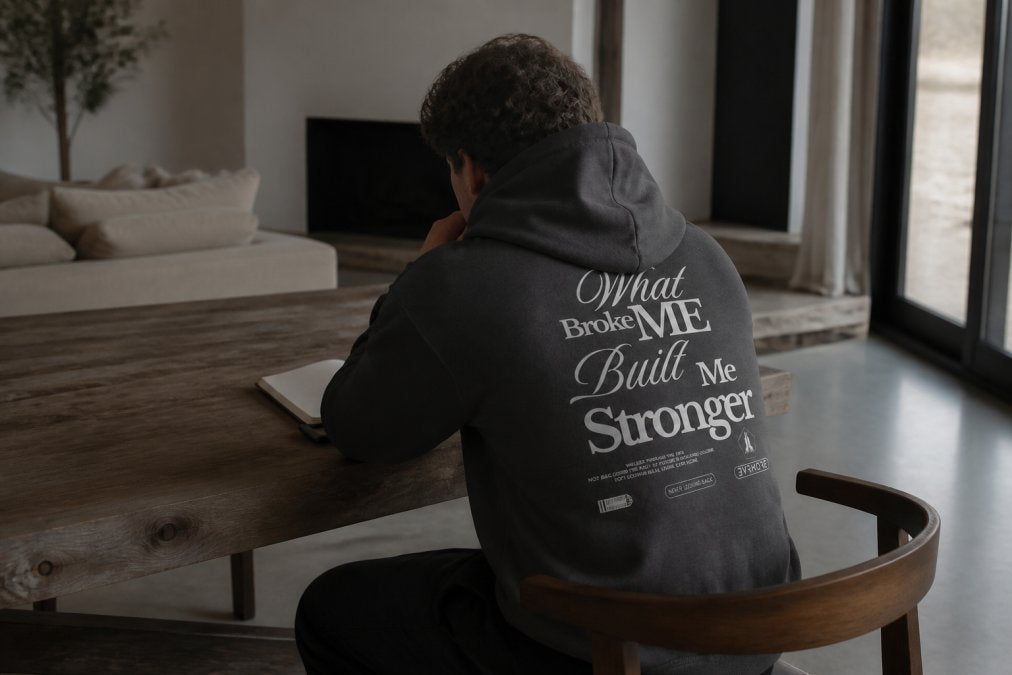
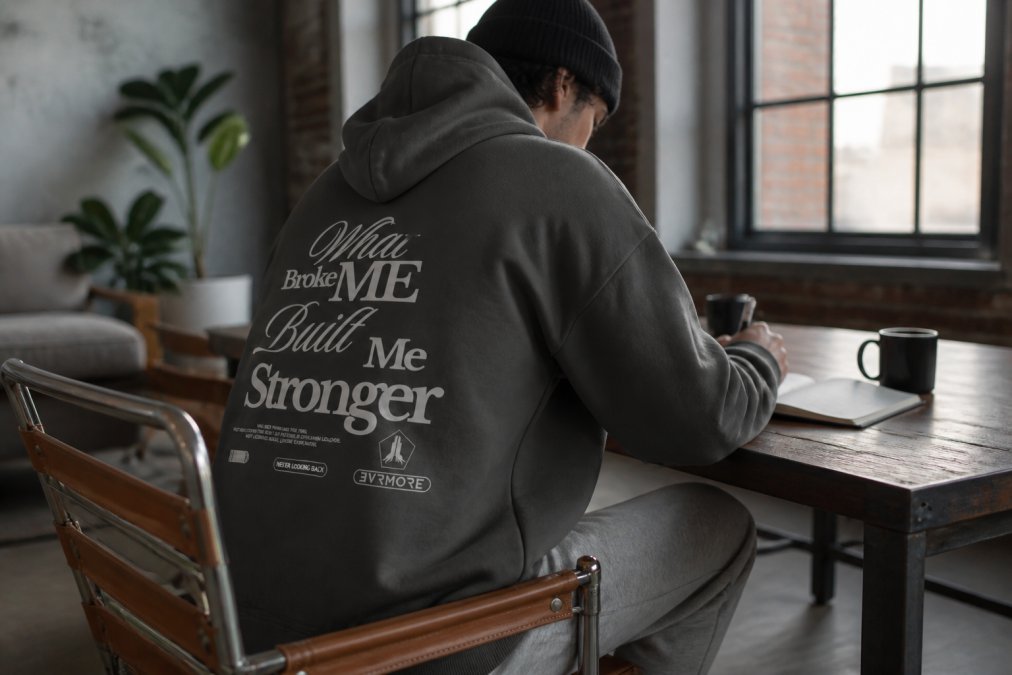
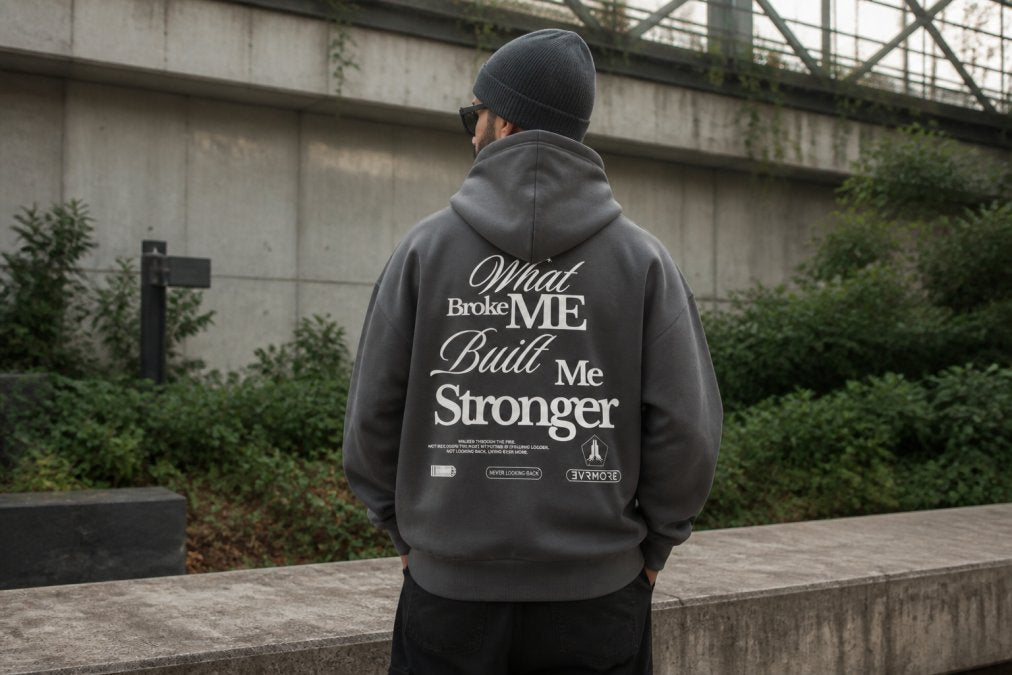
The bottom line: Expensive streetwear worth the cost delivers on durability, fit, and material quality. It's not about the brand name or hype, it's about what's actually built into the garment. Use cost-per-wear math to evaluate whether a piece makes sense for your wardrobe. Build with pieces you'll wear repeatedly, care for them properly, and they'll justify their cost within months. EVRMORE's heavyweight hoodies and tees represent this approach: premium materials, refined construction, and pricing that reflects actual value rather than marketing hype. If you're serious about building a wardrobe that lasts, start with the What Broke Me Heavyweight Hoodie and experience the difference quality construction makes.
Frequently Asked Questions
What makes expensive streetwear more durable than fast fashion?
Premium streetwear uses heavier fabric weights, typically 14-20 oz for hoodies versus 8-10 oz in mass production. Thicker fabric resists pilling, fading, and structural breakdown. Additionally, expensive pieces use reinforced stitching at stress points like shoulders and seams, double-stitched construction, and better-quality thread that won't break down in the wash. The difference compounds over time: a $45 heavyweight tee worn 100 times costs $0.45 per wear, while a $15 fast fashion tee worn 20 times before deteriorating costs $0.75 per wear.
How do you calculate cost-per-wear for expensive streetwear?
Divide the purchase price by the realistic number of wears before the piece becomes unwearable or unworn. A $90 heavyweight hoodie worn twice weekly for 3 years equals roughly 312 wears, resulting in $0.29 per wear. Compare this to a $30 hoodie you wear 40 times before it stretches, pills, or fades, costing $0.75 per wear. Premium pieces with better craftsmanship and durability often deliver lower cost-per-wear despite higher upfront price.
Is expensive streetwear worth it if I'm still early in my recovery journey?
The value depends on your readiness and budget. EVRMORE's collection includes both bold statement pieces and refined designs that work as everyday wear without demanding attention. Start with a versatile piece like the Built Stronger Tee at $45 if you want subtle durability, or invest in a heavyweight hoodie at $90 if you're ready for a piece that grounds you daily. Quality construction means your investment lasts through life transitions, making it a genuine long-term value rather than a gimmick.
What's the difference between streetwear brand prestige and actual quality?
Brand prestige relies on exclusivity, influencer marketing, and limited releases to justify price. Actual quality comes from fabric weight, stitching integrity, material sourcing, and garment construction. Look for brands transparent about where pieces are made, what fabric weights they use, and how long they've been operating. EVRMORE's focus on heavyweight construction and meaningful design reflects quality-first positioning rather than hype-driven pricing.
This article was written using GrandRanker


Leave a comment
This site is protected by hCaptcha and the hCaptcha Privacy Policy and Terms of Service apply.