

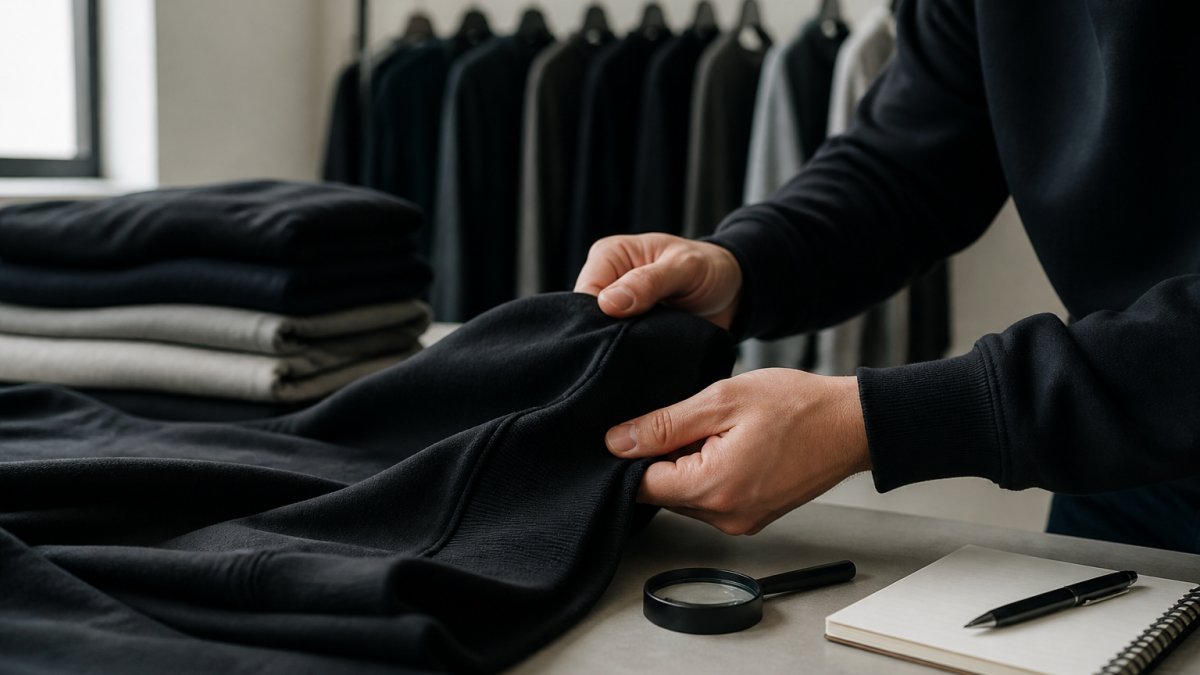
How to Spot Authentic Premium Streetwear
Table of Contents
- What Makes Premium Streetwear Worth Protecting
- How to Tell If a Hoodie Is Fake: Physical Inspection Checklist
- Verifying Barcode, Serial Numbers, and Batch Codes
- Best Practices for Buying Authentic Streetwear
- Digital Authentication Tools and Modern Verification
- Red Flags That Signal Counterfeit Streetwear
- Packaging, Presentation, and Shipping Indicators
- Frequently Asked Questions
Last Updated: September 30, 2026
What Makes Premium Streetwear Worth Protecting
Counterfeit apparel costs the legitimate streetwear industry billions annually. The problem extends beyond lost revenue, it funds criminal networks and floods resale markets with fake goods that undermine brand integrity. For buyers, the stakes are personal. You're investing in pieces that represent something meaningful: resilience, recovery, transformation. A counterfeit doesn't carry that weight. It's a hollow copy.
The streetwear market has become a prime target for counterfeiters because demand is high, brand loyalty is strong, and casual buyers often lack the tools to verify authenticity. Resale platforms have exploded in popularity, creating secondary markets where fakes slip through with alarming frequency. Sophisticated counterfeits now mimic not just the design but the construction details that once separated real from fake.
This is where precision matters. Spotting authentic premium streetwear requires understanding what separates legitimate pieces from counterfeits. At EVRMORE, we've built our reputation on heavyweight construction, meticulous stitching, and uncompromising material quality. Those same standards are what you should look for when authenticating any premium streetwear piece. Below, we'll walk you through the technical markers that separate genuine pieces from well-executed fakes.

How to Tell If a Hoodie Is Fake: Physical Inspection Checklist
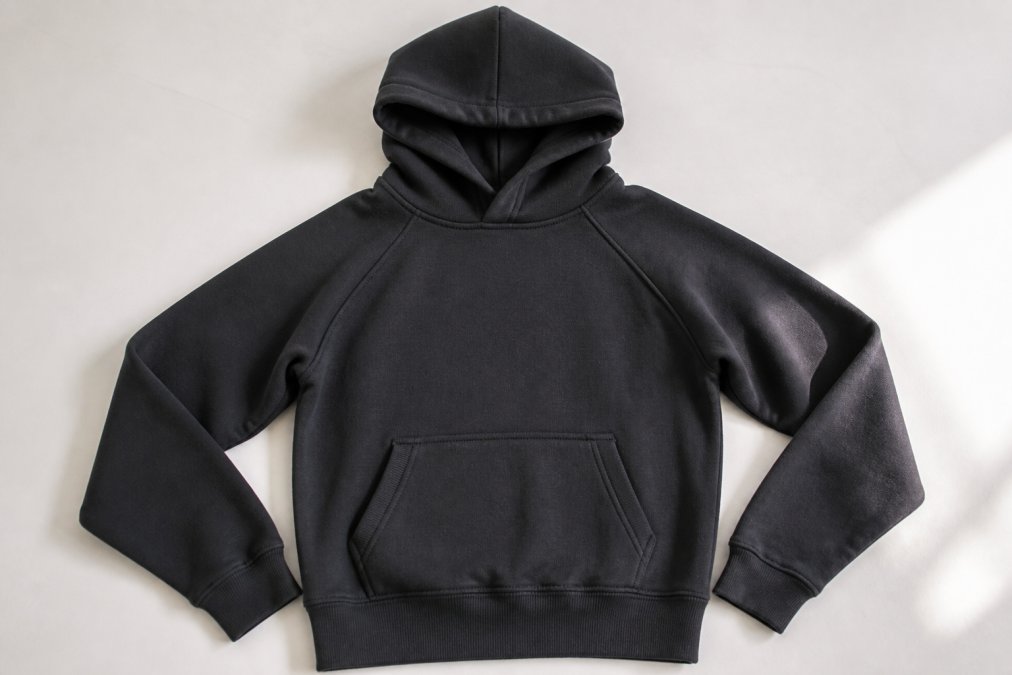
The most reliable way to authenticate a hoodie is direct physical inspection. Counterfeiters excel at replicating logos and graphics, but they consistently fail on the fundamentals: fabric quality, seam construction, and material consistency. A genuine premium hoodie feels different the moment you touch it. The weight is substantial. The fabric drape is intentional. The construction is deliberate.
Start by holding the hoodie and assessing overall weight and density. Authentic premium streetwear hoodies are substantial. Counterfeits often feel noticeably lighter because manufacturers cut costs on fabric weight. Run your hand across the interior. Legitimate French terry has a looped, consistent pile.
Stitching Quality and Seam Consistency
Examine the seams with close attention. Authentic premium hoodies use single-needle stitching at critical points like the neckline, which creates a refined, consistent line. Counterfeit stitching often varies in length, skips threads, or shows visible gaps between stitches.
Check the side seams and sleeve attachment points. Real premium construction uses a flat-lock or coverstitch that lies flat and distributes stress evenly. The thread color should match the fabric exactly, mismatched thread is a red flag. Examine the raglan sleeve attachment if present. Legitimate construction shows reinforced seams with consistent topstitching. Fakes often have loose or uneven stitching that catches your eye immediately.
Run your finger along the inside seams. Authentic pieces have clean, finished edges with no loose threads or fraying. Counterfeit seams often have hanging threads, unfinished edges, or visible knots inside the garment.
Garment Tags and Label Details
The care tag and size label reveal enormous amounts of information. Authentic premium streetwear uses high-quality woven labels with crisp, sharp printing. Font consistency matters, examine the letter spacing, weight, and alignment. Counterfeit labels often have slightly blurry printing, irregular spacing, or font inconsistencies that become obvious under magnification.
Check the tag attachment method. Legitimate labels are sewn with precision stitching at all four corners. Counterfeits sometimes skip corners, use fewer stitches, or attach labels with visible glue residue. Read the care instructions carefully. Real brands use clear, grammatically correct instructions. Counterfeits often have awkward phrasing, spelling errors, or instructions that don't match the garment type.
Verify the material composition listed on the tag. Premium hoodies typically state the exact blend. The tag should also list the country of origin. Legitimate brands either manufacture domestically or use consistent overseas facilities. Tags that list different countries for different sizes suggest counterfeiting.
Fabric Weight and Material Feel
Premium streetwear fabric has unmistakable weight and texture. Hold the hoodie and assess the hand feel, this is the tactile quality when you touch the material. Genuine heavyweight French terry feels substantial, with a dense pile and consistent weight throughout. The fabric should have slight structure and not collapse when you release it.
Counterfeits often use thin jersey or low-quality fleece that feels limp and lacks body. Rub the fabric between your fingers. Authentic material has a smooth, uniform surface. Check the interior fleece pile. Real premium hoodies have a looped, even pile that's consistent across the entire garment.
Examine the fabric for consistency of color. Authentic pieces dye evenly across the entire garment.
Verifying Barcode, Serial Numbers, and Batch Codes
Legitimate premium brands increasingly use barcodes and batch codes as authentication markers. These codes serve multiple purposes: inventory tracking, supply chain verification, and anti-counterfeiting measures. Not all streetwear brands use them, but when they do, verify them carefully.
Check the barcode format and placement. Authentic barcodes are printed clearly with precise spacing and alignment. Counterfeits often have blurry barcodes, misaligned numbers, or incorrect barcode structure. Scan the barcode if you have a smartphone app, legitimate codes will match the product information.
What Broke Me Heavyweight Hoodie →
Look for batch codes or production codes, typically printed on tags or sewn labels. These codes indicate the manufacturing batch and date. Cross-reference the code with the brand's official records if possible. Batch codes on counterfeits are often random, don't match official production dates, or are missing entirely.
Serial numbers, when present, should be unique identifiers. Verify them against the brand's authentication system. Many premium brands now offer online verification tools where you can enter a serial number and confirm authenticity. If the brand offers this service and your code doesn't verify, the piece is likely counterfeit.
Best Practices for Buying Authentic Streetwear
Authorized Retail Channels and Verified Sellers
Purchase from authorized retailers only. These are official brand stores, verified online retailers, and authorized distributors. Check the brand's official website for a list of authorized sellers. Buying directly from the brand eliminates authentication risk entirely.
When shopping resale markets, verify the seller's history and reputation. Legitimate resellers maintain consistent positive feedback, provide detailed photos, and are transparent about sourcing. Sellers who refuse to answer detailed questions about construction or provide limited photos are raising red flags. Ask specific questions about stitching, fabric weight, and tag details. Knowledgeable sellers can answer these questions immediately. Scammers often give vague responses or deflect.
Examine seller photos carefully. Authentic premium streetwear photos show clear detail of stitching, tags, and fabric. Low-quality photos, missing tag shots, or angles that hide construction details suggest the seller is hiding something. Request additional photos if needed. Legitimate sellers accommodate these requests.
Resale Market Platform Policies and Protections
Major resale platforms have authentication programs and buyer protections. Platforms like Grailed, Depop, and Vestiaire Collective have authentication services for high-value items. Use these services when available, they add a verification layer that protects both buyer and seller.
Understand the platform's return policy. Legitimate platforms allow returns if the item doesn't match the description or fails authentication. Sellers offering no returns or extremely short return windows are often problematic. Check the platform's dispute resolution process. If you receive a counterfeit, the platform should have a clear process for resolution and refunds.
Read seller reviews thoroughly. Look for patterns in feedback. Multiple comments about quality discrepancies or authentication concerns suggest a problematic seller. Conversely, consistent positive feedback about condition accuracy and authentic items indicates a trustworthy source.
Digital Authentication Tools and Modern Verification
Technology now offers digital verification methods that supplement physical inspection. Many premium brands have launched authentication apps or online verification systems. These tools use QR codes, NFC chips, or blockchain verification to confirm authenticity.
Scan QR codes on official tags or packaging. Legitimate QR codes link to brand verification pages that display product information, manufacturing details, and authentication status. Counterfeit QR codes either don't work, link to irrelevant pages, or display incorrect information.
Some brands now embed NFC chips in labels or packaging.
Red Flags That Signal Counterfeit Streetwear
Price discrepancies are the first warning sign. If a premium piece is priced significantly below market rate, question why. Legitimate retailers and resellers maintain consistent pricing. Extreme discounts often indicate counterfeits or stolen goods.
Packaging, Presentation, and Shipping Indicators
Legitimate premium brands invest in packaging because it reflects brand identity. Unboxing should feel intentional and thoughtful. Authentic pieces arrive in branded boxes with protective tissue, care cards, or branded materials. The packaging should show attention to detail.
Frequently Asked Questions
What are the most common signs of counterfeit streetwear?
Counterfeit pieces typically show loose threads, uneven stitching, and misaligned graphics. Check garment tags for spelling errors, inconsistent fonts, or missing care instructions. Fabric weight often feels lighter than authentic premium streetwear. Logos and embroidery may have fuzzy edges or incorrect placement. Barcode and serial numbers are frequently missing or poorly printed on fakes.
How do I tell if a hoodie is fake when buying online?
Request detailed photos of the garment tag, back graphic, and stitching before purchasing. Authentic hoodies like the What Broke Me Heavyweight Hoodie feature 16.5 oz French terry with precise single-needle topstitching. Ask the seller about manufacturing origin and batch codes. Verify the seller through authorized retail channels or verified resale platforms that authenticate items before listing.
Why does fabric weight matter when identifying authentic streetwear?
Fabric weight directly impacts durability and feel. Premium heavyweight streetwear creates a substantial, structured drape. Counterfeits often use cheaper, lighter materials that feel thin and flimsy. Authentic pieces maintain their shape through multiple washes, while fakes degrade quickly. Checking GSM (grams per square meter) on labels helps verify construction quality.
What's the difference between high-quality replicas and authentic premium streetwear?
High-quality replicas may mimic appearance but lack authentic construction details. Authentic premium streetwear uses precise stitching techniques, quality fabric blends, and correct typography. Replicas often have shadow lettering errors, mismatched thread colors, and inferior seam consistency. Authentic brands maintain batch codes, proper care labels, and manufacturing transparency. Price discrepancies and unauthorized retail channels are common red flags for replicas.


Leave a comment
This site is protected by hCaptcha and the hCaptcha Privacy Policy and Terms of Service apply.