


Hypebeast vs Premium Streetwear: Key Differences
Table of Contents
- Hypebeast Culture: What It Actually Means
- What Is Premium Streetwear
- Construction Quality vs. Brand Hype
- Limited Availability and Scarcity in Streetwear
- Resale Value and Investment Potential
- How to Build a Streetwear Wardrobe With Purpose
- Streetwear as Modern Luxury
- Frequently Asked Questions
Last Updated: September 29, 2026
Hypebeast Culture: What It Actually Means
Understanding hypebeast vs premium streetwear has become essential, as hypebeast culture is often misunderstood. It's not just about wearing expensive brands or chasing limited drops. Hypebeast culture is the pursuit of exclusivity and scarcity as status symbols, often prioritizing brand name and resale value over construction quality or wearability.
The term originated in streetwear communities where collectors treated clothing like investment assets. They'd camp outside stores for limited-edition releases, resell pieces at inflated prices, and define their identity through what others couldn't access. The appeal is psychological: owning something rare signals status within a specific community.
But here's where it gets complicated. Hypebeast culture isn't inherently shallow. It's a legitimate form of community identity and self-expression. The problem emerges when hype becomes the primary purchase driver, disconnecting from actual quality or personal style. A hoodie might sell out in minutes not because it's well-made, but because the brand dropped only 500 units globally. The wearer gets status from scarcity, not from durability or aesthetic fit.
At EVRMORE, we approach streetwear differently. Our pieces prioritize construction quality and meaningful design over manufactured scarcity. When you wear EVRMORE, you're not buying into hype, you're investing in durability and purpose. The difference matters more than most people realize.
What Is Premium Streetwear
Premium streetwear occupies a different space entirely. Premium streetwear combines heavyweight construction, refined aesthetics, and intentional design to create pieces built for longevity and authentic self-expression.
The distinction isn't about price alone. A premium streetwear piece costs more because it uses better materials, superior stitching, and thoughtful construction methods. These aren't shortcuts. A 16.5 oz French terry hoodie doesn't exist by accident, it's engineered to resist wear, maintain shape, and feel substantial in your hands.
Premium streetwear brands focus on design intention. Every element serves a purpose: dropped shoulders for a specific silhouette, raglan sleeves for movement, single-needle topstitching for durability. These details compound. After 50 washes, a premium hoodie still holds its structure. A hypebeast piece might fray at the seams or lose its shape.
The cultural relevance of premium streetwear runs deeper too. It's not about exclusivity for its own sake, it's about creating pieces that align with a wearer's values and lifestyle. When someone chooses premium streetwear, they're making a statement about what matters to them: quality, longevity, and authenticity.
| Aspect | Hypebeast Focus | Premium Streetwear Focus |
|---|---|---|
| Primary Value | Scarcity and resale potential | Construction and durability |
| Design Philosophy | Trend-driven, limited drops | Intentional, timeless aesthetic |
| Material Investment | Often standard weight | Heavyweight fabrics (14+ oz) |
| Wearing Longevity | Shorter lifespan | Built for years of wear |
| Community Signal | Status through exclusivity | Identity through values |
Construction Quality vs. Brand Hype
This is where the real divide emerges. Construction quality and brand hype often move in opposite directions.
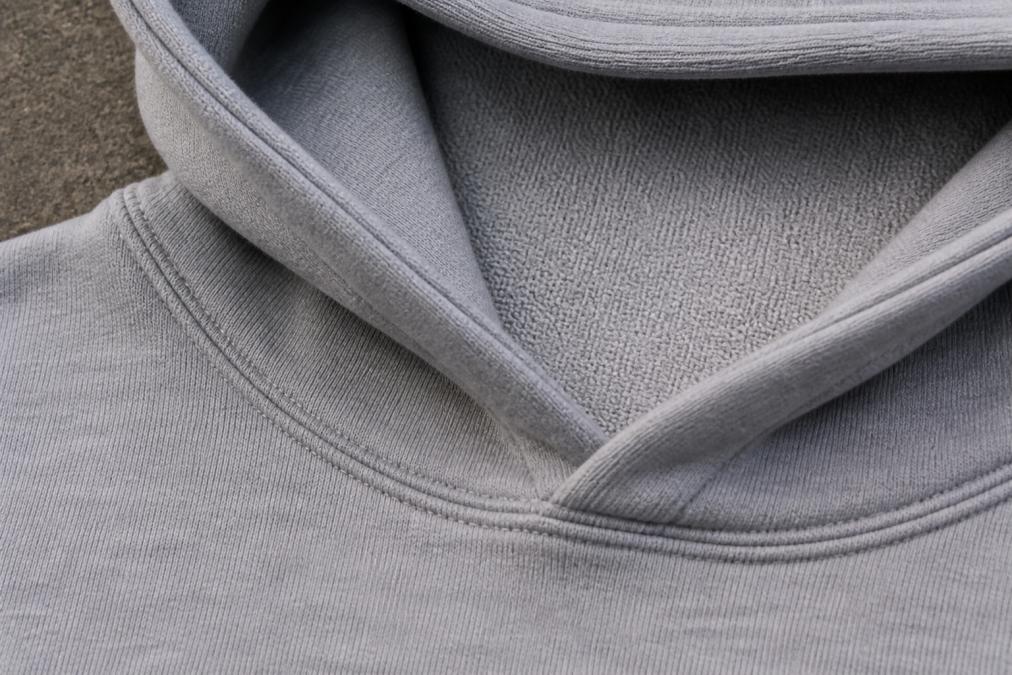
A hypebeast piece might feature a recognizable logo and limited availability, but the actual construction, seam strength, fabric weight, stitching precision, can be mediocre. The brand pays for marketing and scarcity, not necessarily for better materials. You're paying for the story, not the durability.
Premium construction tells a different story. Heavyweight fabrics, reinforced seams, and pre-shrunk materials cost more to produce. Double-layer hoods, kangaroo pockets with quality ribbing, and single-needle topstitching aren't flashy, but they extend a piece's lifespan significantly. A well-constructed hoodie maintains its fit and appearance through dozens of washes. A poorly constructed one deteriorates within months.
The EVRMORE approach demonstrates this principle clearly. Our heavyweight hoodies use 16.5 oz French terry, substantially heavier than standard mid-weight options. This isn't marketing speak. It's a measurable specification that translates to real durability. The construction quality means your piece survives actual life: repeated washing, daily wear, and years of use.
What most guides miss: construction quality compounds over time. You don't notice the difference after one wash. After 20 washes, the gap becomes obvious. The premium piece still fits right. The hypebeast piece has lost its shape.
Limited Availability and Scarcity in Streetwear
Scarcity is the engine of hypebeast culture, but understanding how scarcity operates reveals the fundamental philosophy gap in hypebeast vs premium streetwear.
Hypebeast drops are engineered scarcity. A brand announces a release date, produces a predetermined limited quantity (often 500-2,000 units globally), and drops the item across a narrow window. Demand instantly exceeds supply. Resale markets activate within hours. A piece that retails for $90 trades for $250-$400 on secondary platforms like StockX, Grailed, or Depop within 48 hours. This isn't organic scarcity, it's manufactured exclusivity designed to create urgency and perceived value.
The psychology is deliberate. Limited drops trigger FOMO (fear of missing out) and activate collector mentality. Buyers camp online, use bot services to secure purchases, and treat acquisition as a competitive event. The piece becomes a trophy before it's ever worn. Resale value becomes the primary metric of success. A collector who secures a sold-out drop has "won," regardless of whether they'll ever wear the item.
This model creates a two-tier market: retail buyers (who wear pieces) and resellers (who hold for profit). The resale tier often exceeds the retail tier in volume and revenue. A single hypebeast drop might generate $50,000-$200,000 in secondary market transactions within a week.
What Broke Me Heavyweight Hoodie →
Premium streetwear operates on a different scarcity model: sustainable availability. Pieces are produced in quantities that match actual demand from wearers, not collectors. EVRMORE produces runs of 2,000-5,000 units because the goal is for pieces to be worn, not flipped. This removes the resale incentive. You buy a premium piece because it fits your wardrobe and will last years, not because you expect to triple your money.
The cultural consequence is significant.
Resale Value and Investment Potential
This distinction reveals the fundamental difference in philosophy. Hypebeast pieces are designed partly as financial assets. Collectors buy with resale value in mind from day one.
How to Build a Streetwear Wardrobe With Purpose
Building a meaningful streetwear wardrobe requires intentionality, but most guides stop at philosophy. Here's the practical framework: start by auditing what you actually wear, then layer in quality tiers strategically.
Step 1: Define Your Core Aesthetic
Step 2: Establish Your Foundation With Heavyweight Basics
- Fabric weight: A 16.5 oz French terry hoodie will outlast a 9 oz alternative by 3-4 years. Check the product specification sheet; reputable brands list weight explicitly.
- Stitching: Single-needle topstitching (visible as one continuous thread line) is more durable than double-needle stitching for high-stress seams. Examine the cuffs and hood attachment.
- Material composition: 100% cotton or cotton-blend (85% cotton, 15% polyester) performs better than synthetic-heavy blends. Synthetics retain odor and degrade faster under UV exposure.
- Pre-shrinkage: Premium brands pre-shrink fabric to prevent fit loss after washing. Check the care label; if it doesn't mention pre-shrinking, expect 5-8% shrinkage on first wash.
Step 3: Understand the Hypebeast-Premium Mix
- Use premium pieces as anchors (hoodies, tees, joggers). These get worn 100+ times per year and need to survive that volume.
- Use hypebeast or trend-driven pieces as accents (graphic tees, limited-edition collaborations). These get rotated less frequently and can afford shorter lifespans.
- Never build your entire wardrobe around limited drops. If 70% of your closet is hypebeast pieces, you'll constantly chase new releases and never develop a coherent aesthetic.
Step 4: Evaluate Material Science Before Purchase
When shopping, ask these questions:
- Is the fabric weight appropriate for the season? A 16.5 oz hoodie works year-round in most climates. A 9 oz tee is better for summer; a 14 oz tee for winter.
- Does the brand publish construction specs? Reputable premium brands list fabric weight, fiber content, and stitching method. Hypebeast brands often omit these details.
- What's the care requirement? If a piece requires dry cleaning or hand washing, it's not built for daily wear. Premium streetwear should survive machine washing at 30°C (86°F) without degradation.
- How does the fit compare to your body type? Oversized pieces hide construction quality. Fitted pieces expose poor stitching. If you're evaluating construction, try fitted styles first.
Step 5: Limit Your Drops and Resist Accumulation
Step 6: Build Versatility Into Statement Pieces
The Long-Term Metric: Cost Per Wear
Streetwear as Modern Luxury
This is the final piece of the puzzle. Luxury has shifted. It's no longer exclusively about heritage brands or astronomical price tags. Modern luxury is about durability, authenticity, and alignment with your values.
Frequently Asked Questions
What's the main difference between hypebeast culture and premium streetwear?
Hypebeast culture prioritizes limited drops, resale value, and brand status, often regardless of actual quality. Premium streetwear focuses on durability, construction quality, and meaningful design that holds up to everyday wear. Hypebeast pieces are typically bought to flip or flex; premium pieces are built to last and worn intentionally. The distinction matters because hypebeast items often lose value after the hype fades, while premium streetwear maintains its appeal through genuine craftsmanship and refined aesthetics.
How do I build a streetwear wardrobe that won't feel like a trend in a year?
Start with heavyweight basics in neutral colorways, pieces like the Built Stronger tee ($45) or What Broke Me Heavyweight Hoodie ($90) that combine premium construction with meaningful design. Choose pieces with intentional graphics that reflect your values rather than chasing every drop. Invest in items with 80/20 cotton-polyester blends and French terry construction that resists wear. Mix statement pieces with versatile basics, and prioritize fit and fabric weight over brand logos. This approach builds a wardrobe that works across seasons and styles, not just one moment.
Is premium streetwear actually worth the higher price?
Yes, when you compare construction directly. Premium streetwear uses heavier fabrics (16.5 oz French terry vs. standard 10-12 oz), reinforced stitching, and pre-shrunk materials that hold their shape after repeated washing. A premium hoodie at $90 will outlast three fast-fashion alternatives at $30 each. You're paying for durability, fit consistency, and design intention, not just a brand name. The real test: does it still fit and look good after 50+ washes? Premium pieces do; hypebeast pieces often don't.
Why do hypebeast drops create scarcity when premium brands don't?
Hypebeast scarcity is manufactured deliberately to drive urgency and resale demand. Brands intentionally produce limited quantities to create FOMO (fear of missing out) and inflate secondary market prices. Premium streetwear brands use scarcity differently, they limit drops to maintain exclusivity and brand identity, but the focus is on craft and community, not flipping profit. Premium brands often restock core pieces because the goal is long-term wearability and customer loyalty, not short-term hype cycles. This is why premium pieces stay relevant; hypebeast pieces become obsolete once the hype moves elsewhere.


Leave a comment
This site is protected by hCaptcha and the hCaptcha Privacy Policy and Terms of Service apply.