

Article: Heavyweight Cotton for Streetwear: Why It Matters
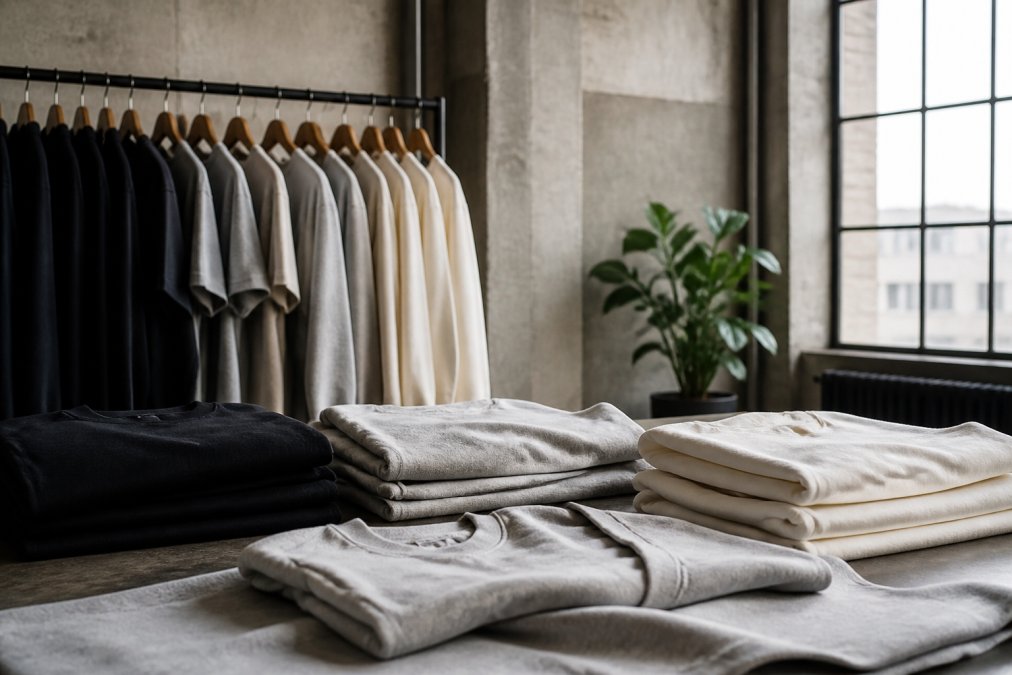
Heavyweight Cotton for Streetwear: Why It Matters
Table of Contents
- What Makes Heavyweight Cotton Different for Streetwear
- What Is GSM in T-Shirts and Why It Matters
- Heavyweight vs Lightweight Cotton: Durability and Performance
- Structure, Silhouette, and Fit in Heavyweight Streetwear
- How to Style Oversized Heavyweight Hoodies
- Care and Maintenance for Long-Term Durability
- Body Type Suitability and Fit Profiles
- Frequently Asked Questions
Last Updated: September 17, 2026
What Makes Heavyweight Cotton Different for Streetwear
Heavyweight cotton isn't just thicker fabric. It's a fundamentally different product that changes how a garment performs, looks, and lasts. The difference between a 5.3 oz standard tee and a 9 oz heavyweight piece goes far beyond weight on a scale.
When you wear heavyweight cotton streetwear, you immediately notice the structure. The fabric holds its shape through the day instead of stretching and sagging by afternoon. This is what separates a piece that looks intentional from one that looks worn out after three washes. Heavyweight cotton for streetwear delivers a premium hand-feel that signals quality before anyone reads the tag.
The construction quality matters as much as the weight. Combined with a tighter weave density, this construction resists pilling and fading far better than lightweight alternatives. You're not just buying more fabric. You're buying a different approach to durability and aesthetic that's become central to modern streetwear design.
This matters because streetwear is built on attitude and intention. A flimsy tee with a bold message reads as ironic or cheap. Heavyweight cotton delivers the confidence that matches the message. The garment-dyed colorways hold their character longer, and the fabric's natural texture deepens with wear instead of fading into a ghost of its original color.
What Is GSM in T-Shirts and Why It Matters
GSM stands for grams per square meter, the standard measurement for fabric weight and density. A 100 GSM fabric weighs 100 grams per square meter. This single number tells you more about how a shirt will perform than almost any other specification.
Standard lightweight tees sit between 150-180 GSM. Heavyweight streetwear typically ranges from 280-400 GSM, with premium pieces like EVRMORE's hoodies reaching 560 GSM (16.5 oz). That's nearly triple the weight, and the practical difference is massive.

Higher GSM means tighter weave density and better tensile strength. The fabric resists stretching, holds its shape through repeated wear and washing, and provides better thermal regulation. A 300 GSM tee will outlast a 150 GSM tee by years, assuming equal care. The structure stays intact, the neckline doesn't bag out, and the graphic prints hold their detail without cracking.
GSM also determines drape and hand-feel. Lower GSM fabrics drape loosely and feel thin. Higher GSM fabrics have a structured hand-feel that sits firmly on your body. This is why heavyweight cotton for streetwear creates that distinctive boxy silhouette that's central to the aesthetic. The fabric itself carries the design intent.
For streetwear specifically, GSM becomes a marker of quality and intention. Brands serious about durability commit to 300+ GSM. Brands cutting corners stay below 250 GSM.
Heavyweight vs Lightweight Cotton: Durability and Performance
Tensile Strength and Weave Density
Tensile strength measures how much force fabric can withstand before tearing. Heavyweight cotton wins decisively here because tighter weave density creates more fiber-to-fiber contact. Each thread is supported by more surrounding fibers, distributing stress across a larger area.
A lightweight 150 GSM tee has roughly 40-50 fibers per inch in each direction. A heavyweight 350 GSM piece has 80-100+ fibers per inch. That's double the structural support. When you pull on a seam or catch the fabric on something, the force distributes across far more fibers in a heavyweight piece. The result is a garment that resists tearing, snagging, and stress damage.
This matters in real wear. Lightweight shirts pill easily because individual fibers break loose under friction. Heavyweight fabrics resist pilling because the tight weave holds fibers in place.
Fading resistance follows the same logic. Tighter weave density protects dyes from UV exposure and washing friction. Heavyweight cotton holds color depth. Lightweight cotton fades noticeably within 6-12 months of regular wear. This is especially visible in garment-dyed pieces, where the color is the piece. EVRMORE's Slate and Vintage Pearl colorways maintain their character because the heavyweight construction protects the dye.
Shrinkage Resistance and Shape Retention
Pre-shrinking helps, but weave density is the real factor in shape retention. Heavyweight fabrics shrink less because tighter weaves have less room to compress. The fibers are already packed efficiently. Lightweight fabrics have looser weaves with more space for fibers to shift and compress during washing.
The neckline retention test separates quality from mediocre. Wear a lightweight tee 20 times and the crewneck stretches visibly. The collar sags and looks sloppy. A heavyweight tee's neckline holds its shape because the ribbing is supported by denser fabric. The 2x1 ribbing on EVRMORE hoodies specifically resists stretching because it's anchored to a 560 GSM body.
Shape retention matters more than people realize. A tee that bags out looks cheap and sloppy, no matter how good the graphic. A tee that holds its structure looks intentional and premium. This is why streetwear brands obsess over GSM and construction. The silhouette is part of the message.
Structure, Silhouette, and Fit in Heavyweight Streetwear
The boxy fit with dropped shoulders is inseparable from heavyweight construction. You can't achieve this silhouette with lightweight fabric. Thin material would drape and cling instead of standing away from the body. Heavyweight cotton creates the structured, slightly oversized silhouette that defines modern streetwear.
Dropped shoulders require fabric that holds its shape. The shoulder seam sits lower on the arm, and the fabric needs enough body to not collapse or wrinkle at the transition. A 350+ GSM piece maintains crisp lines and clean angles. A lightweight piece would bunch and distort.
Oversized Heavyweight Streetwear Tee →
The boxy silhouette also depends on construction details like single-needle topstitching and reinforced seams. EVRMORE's hoodies use single-needle topstitching at the neckline. Combined with 16.5 oz French terry, this construction creates a garment that looks intentional and refined, not baggy or sloppy.
Fit profiles matter for different body types. A boxy heavyweight piece works well for lean frames because the fabric structure creates presence without clinging. For larger frames, the relaxed fit prevents tightness while the heavyweight construction keeps the silhouette clean. The key is that heavyweight fabric holds its shape regardless of body type. It doesn't cling, doesn't bag, and doesn't distort through the day.
The oversized cut combined with heavyweight construction creates what streetwear calls "presence." The garment occupies space intentionally. It's not trying to hide or fit tight. It's making a statement through sheer structure and weight.
How to Style Oversized Heavyweight Hoodies
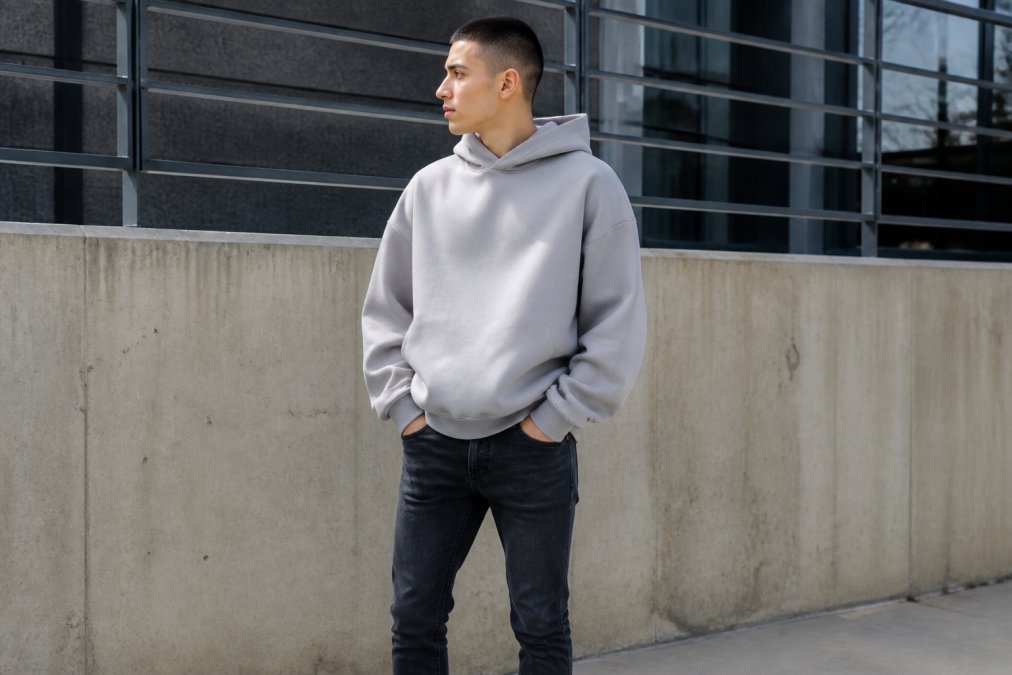
The oversized heavyweight hoodie is a foundation piece, not a statement by itself. Styling depends on balancing the relaxed proportions with fitted pieces elsewhere in the outfit.

Pair oversized hoodies with fitted or tapered bottoms. Skinny jeans, fitted chinos, or tapered sweatpants create visual balance. The contrast between the roomy top and fitted legs prevents the outfit from reading as sloppy. This is the core streetwear formula. EVRMORE's hoodies work best with pieces that have some structure and taper.
Layering amplifies the heavyweight aesthetic. Wear the hoodie over a fitted long-sleeve shirt or tee. The layering adds depth and texture to the silhouette. Heavyweight hoodies work particularly well in this context because the fabric body supports the layers without looking bulky. The structured shoulder and arm openings frame the layers underneath instead of swallowing them.
Footwear anchors the look. Clean leather sneakers, boots, or minimal athletic shoes ground the outfit. Avoid oversized or chunky silhouettes that compete with the hoodie's presence. The goal is intentional balance, not maximum volume.
Accessories matter less with statement pieces like EVRMORE's hoodies. The graphic and heavyweight construction carry the design. Keep accessories minimal. A simple chain, watch, or hat complements without competing. The hoodie's message and structure are the focal point.
Monochromatic styling works well with heavyweight pieces. All black, all neutral tones, or coordinated colorways create a cohesive look. The texture and weight of the fabric provide visual interest without pattern. This is why EVRMORE offers limited colorways like Slate and Vintage Pearl. They work across seasons and styling approaches.
Care and Maintenance for Long-Term Durability
Heavyweight cotton demands proper care to justify its investment. Machine wash cold, inside out, with similar colors. Hot water accelerates fading and can cause unexpected shrinkage even in pre-shrunk fabric. Washing inside out protects the graphic print and reduces pilling on the surface.
Skip the dryer. Hang dry is the standard for premium pieces. Heat damages cotton fibers and accelerates wear. A heavyweight tee or hoodie dried on high heat ages quickly. Line drying or hanging preserves the fabric's integrity and color. This adds 30 seconds to the process but extends the garment's life.
Avoid bleach entirely. Even diluted bleach can damage dyes and weaken fibers. For stains, spot treat with cold water and mild detergent. For whites, oxygen-based cleaners are safer than chlorine bleach.
Don't iron directly over graphic prints.
Body Type Suitability and Fit Profiles
Heavyweight cotton's structured hand-feel makes it surprisingly versatile across body types, but fit profiles matter.
Frequently Asked Questions
What is considered a heavyweight cotton fabric for streetwear?
Heavyweight cotton for streetwear typically ranges from 9 oz to 16.5 oz (approximately 300-560 GSM). This weight delivers a thick, structured feel that holds its shape through daily wear and multiple washes. Fabrics above 14 oz provide the premium hand-feel and durability that defines quality streetwear pieces. Ring-spun cotton construction further enhances the fabric's tensile strength and resistance to pilling.
Why do premium streetwear brands prioritize high-GSM cotton?
High-GSM heavyweight cotton offers superior durability, better neckline retention, and improved resistance to shrinking and stretching. The increased weave density creates a garment with stronger construction quality and longer lifespan. Heavyweight fabrics also drape with more structure and presence, supporting the bold silhouettes and oversized aesthetics central to streetwear design. For brands like EVRMORE, this durability aligns with the message that your apparel is as resilient as you are.
Does heavyweight cotton hold its shape better than lightweight alternatives?
Yes. Heavyweight cotton with higher GSM and tighter weave density maintains its silhouette far better than lightweight fabrics. The increased fiber density resists stretching at stress points like the neckline and shoulder seams. Garment-dyed and pre-shrunk heavyweight pieces further stabilize the fit. Lightweight cotton, by contrast, often loses structure and develops a sagging appearance after repeated wear and washing, making heavyweight the preferred choice for a refined streetwear aesthetic.
Is heavyweight cotton breathable enough for year-round wear?
Heavyweight cotton remains breathable year-round because cotton fiber naturally manages moisture and allows air circulation. The key is construction: 3-end French terry and looped fleece interiors provide thermal regulation without trapping excess heat. For layering in warmer months, an oversized heavyweight tee works as a mid-layer under lighter jackets. The fabric's breathability combined with its structure makes it suitable for transitional seasons and as a base layer in colder weather.

Leave a comment
This site is protected by hCaptcha and the hCaptcha Privacy Policy and Terms of Service apply.