

Ethical Manufacturing for Recovery Clothing: What Matters
Table of Contents
- Why Ethical Manufacturing Matters for Recovery Apparel
- Defining Ethical Manufacturing in Recovery Clothing
- Fair Labor Practices in Fashion: The Foundation
- Sustainable Streetwear Manufacturing and Supply Chain Transparency
- Ethical Clothing Production USA: What to Look For
- Durability and Quality as Ethical Commitments
- How to Verify Ethical Claims Before You Buy
- Frequently Asked Questions
Last Updated: October 1, 2026
Why Ethical Manufacturing Matters for Recovery Apparel
For those navigating recovery, the quality of what you wear becomes tied to your self-respect. Cheap construction that falls apart sends a message. Durable, intentionally made pieces reinforce your commitment to yourself.
Ethical manufacturing for recovery clothing means wearing something that lasts through the everyday wear of rebuilding. At EVRMORE, we've built our entire approach around this principle: premium construction paired with transparent, responsible production practices.
Defining Ethical Manufacturing in Recovery Clothing
Ethical manufacturing for recovery clothing means combining three core commitments: fair treatment of workers, minimal environmental impact, and construction quality that justifies the price. It's a production standard affecting every stage from raw material sourcing through final stitching.
Recovery apparel requires durability that off-the-rack streetwear doesn't. You're wearing these pieces regularly, washing them frequently, and expecting them to hold their shape over months of heavy rotation. This requires intentional design choices, premium materials, and manufacturing processes that prioritize longevity over cost-cutting.
Ethical manufacturing for recovery clothing also means transparency. You should be able to trace where your hoodie was made, who made it, and what materials went into it as standard practice. When a brand won't tell you these things, look elsewhere.
The Fair Labor Association's standards for apparel manufacturing define what responsible production looks like: safe working conditions, living wages, reasonable hours, and freedom of association for workers. These aren't radical demands. They're baseline expectations for any brand claiming ethical practices.
Fair Labor Practices in Fashion: The Foundation
Fair labor practices in fashion start with a simple principle: the people making your clothes deserve safe conditions and pay they can actually live on.
Most apparel manufacturing happens in countries where labor costs are low. This creates a temptation to cut corners on worker welfare as price pressure filters down the supply chain. When a brand commits to ethical manufacturing for recovery clothing, they're explicitly choosing to resist that pressure.
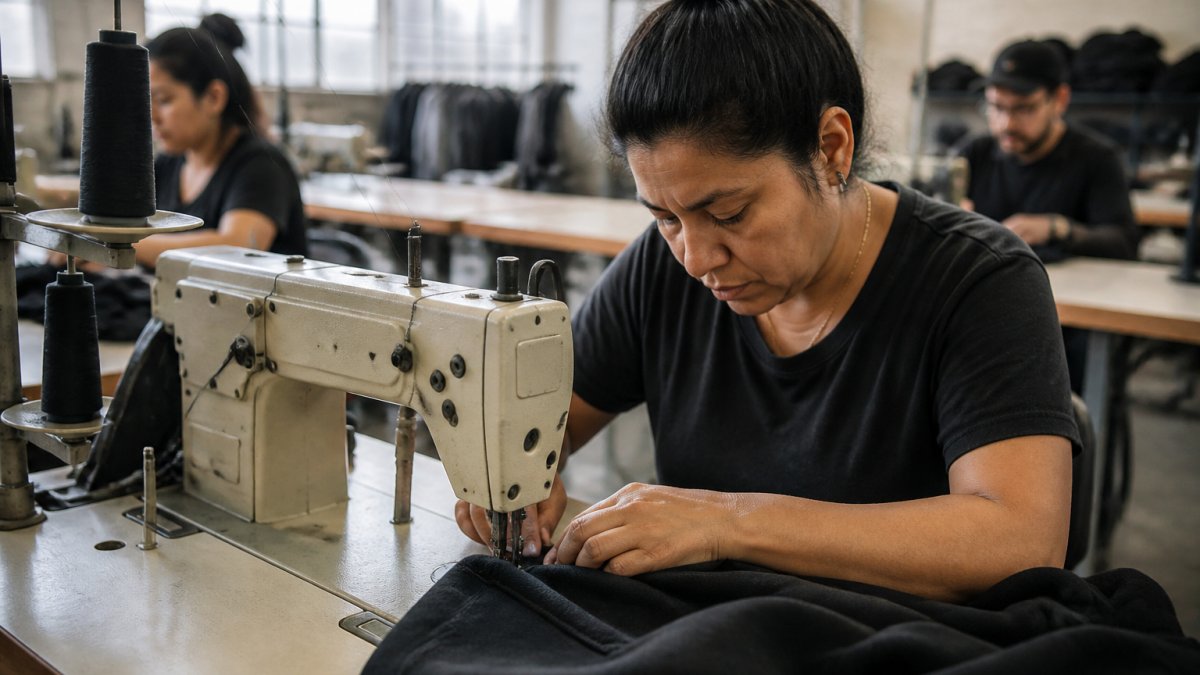
Fair labor in practice means workers have written contracts, reasonable shift hours, safety equipment, and channels to report problems without retaliation. It means wages covering basic living expenses, no child labor, no forced overtime, and no discrimination.
Higher prices don't automatically mean better labor practices. The difference is transparency and verification. Ethical manufacturers undergo third-party audits and publish findings. They can answer specific questions about working conditions and name their production facilities.
Sustainable Streetwear Manufacturing and Supply Chain Transparency
Supply chain transparency means you can follow your hoodie's journey from raw material to finished product. This visibility connects you to the real people and processes behind something you're wearing as part of your identity.
Sustainable streetwear manufacturing starts with material sourcing. Where does the cotton come from? Was it grown using practices that didn't deplete soil or poison groundwater? These questions affect both environmental impact and worker safety in agricultural communities.
The Textile Exchange's standards for responsible fiber production provide a framework for understanding sustainable sourcing. Regenerative cotton practices, for example, focus on building soil health while producing fiber. This is more labor-intensive and requires more skill than conventional cotton farming, but it creates better long-term outcomes for land and communities.
Supply chain transparency also means understanding waste management. What happens to fabric scraps during cutting and construction? Are they recycled, or do they end up in landfills? How are chemical dyes and finishing processes managed to prevent water pollution?
A transparent manufacturer can answer these questions with specifics, not vague generalities. They track waste percentages. They document water usage. They have relationships with their suppliers and can verify that those suppliers meet the same standards they do.
| Supply Chain Element | What to Look For | Why It Matters |
|---|---|---|
| Raw Material Sourcing | Named farms or regions, certification details | Ensures environmental and labor practices upstream |
| Production Location | Specific facility names and locations | Enables verification and worker accountability |
| Quality Control | In-process testing and final inspection standards | Guarantees durability for recovery wear |
| Waste Management | Documented recycling or disposal processes | Reduces environmental footprint |
| Worker Verification | Third-party audit reports or certifications | Confirms fair labor practices aren't just claims |
Circular Recovery Programs: Closing the Loop
One overlooked aspect of ethical manufacturing is what happens after you've worn your recovery apparel for years. Most sustainable fashion guides mention "circular economy" but rarely explain how a brand implements a take-back or recycling program.
For recovery clothing, this matters because your pieces represent a commitment to yourself. When they reach the end of their wearable life, you want them to have a second purpose, not end up in a landfill.
Ethical Clothing Production USA: What to Look For
When a brand commits to ethical clothing production in the United States, labor costs are higher and regulatory oversight is stricter. But the payoff is traceability and accountability that's genuinely difficult to fake.
Domestic production for recovery apparel means you can potentially visit the facility and meet the people making your clothes. You can verify working conditions firsthand instead of relying on audit reports.
The U.S. Department of Labor's regulations on workplace safety and fair labor standards set minimum expectations for any domestic manufacturer. These include minimum wage requirements, workplace safety standards, and prohibitions on child labor. A legitimate domestic producer meets these requirements as a baseline, not as a ceiling.
What Broke Me Heavyweight Hoodie | Original | Slate | 16.5 oz →
Ethical domestic production exceeds regulatory minimums: living wages instead of minimum wages, voluntary benefits, and investment in worker development. These choices reflect a brand's actual values, not just legal compliance.
EVRMORE's What Broke Me Heavyweight Hoodie is cut and sewn in Los Angeles, which means every step of construction happens under U.S. labor standards and environmental oversight. The 16.5 oz French terry construction isn't just heavier than standard hoodies, it's built to last through the kind of regular wear that recovery apparel demands.

Durability and Quality as Ethical Commitments
Durability is an ethical issue most conversations about ethical manufacturing miss. A cheap hoodie that falls apart after a few months forces you to buy another one, creating waste and perpetuating a cycle of disposability that contradicts ethical production.
When a brand commits to ethical manufacturing for recovery clothing, they're committing to making something that lasts. Premium materials and construction methods become an ethical choice, not just a luxury feature.
Recovery apparel gets worn hard, multiple times per week, sometimes every day. Durability requirements demand specific construction choices: higher-quality thread, reinforced seams, pre-shrunk fabric, and finishing processes that stabilize the material.
The Cost-Benefit Reality of Ethical Manufacturing
Premium pricing doesn't guarantee premium durability. A $120 hoodie can be poorly constructed. A $90 hoodie can be built to last five years. The difference is the actual production process, not the markup.
An ethically manufactured heavyweight hoodie (16.5 oz fabric, domestic production, verified labor practices) costs $35-$55 to produce, a 2-3x increase.
If the ethical hoodie lasts 4-5 years, you're comparing roughly $20-$25 per year in amortized cost. Over five years, buying one ethical hoodie costs $90-$120 and eliminates the waste.
Small-batch ethical manufacturers face higher per-unit costs: they can't negotiate fabric prices aggressively, can't automate as much construction, and have higher labor costs, especially for domestic production. These factors are structurally higher, not inflated.
For recovery apparel, this cost structure reflects a deliberate choice: prioritize durability and worker welfare over volume and margin.
Calculating True Cost-Per-Wear
When evaluating whether ethical manufacturing justifies the price, use cost-per-wear as your metric. This accounts for both the initial purchase price and how long the piece actually lasts.
Example calculation for recovery apparel worn 4 times per week:
Ethical heavyweight hoodie: $110 retail, lasts 60 months (approximately 1,040 wears) = $0.11 per wear
The ethical hoodie is actually cheaper per wear, even at nearly double the retail price.
How to Verify Ethical Claims Before You Buy
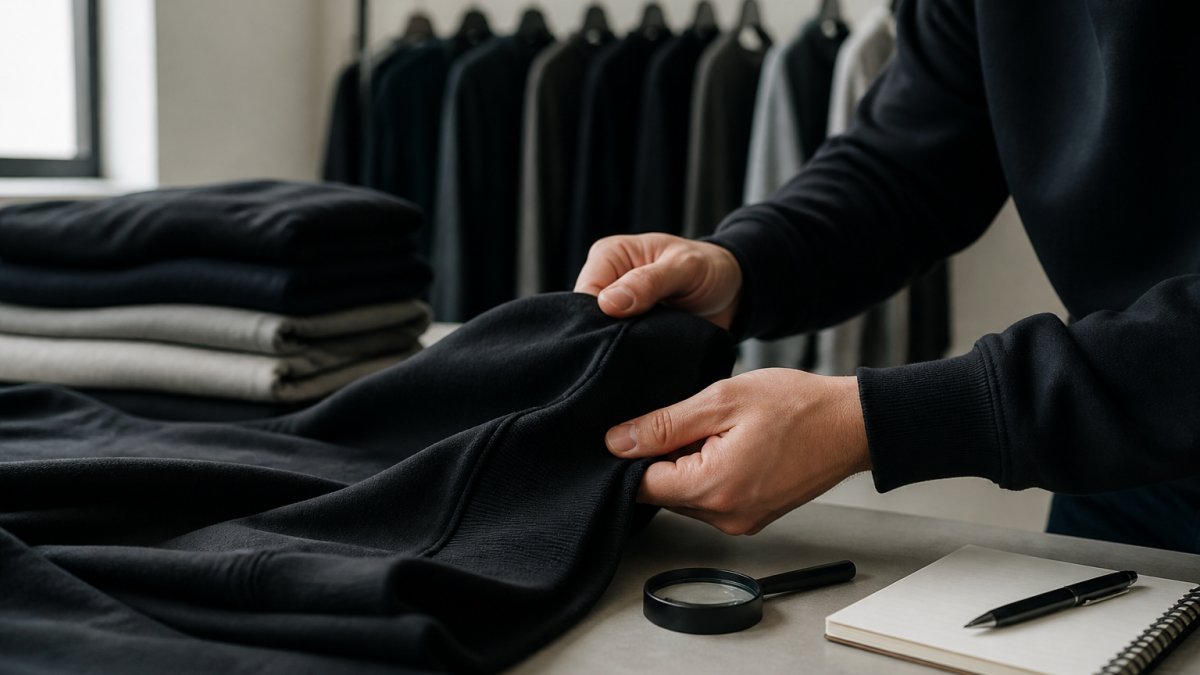
Ethical claims are easy to make. Verification is harder. Before you commit to a brand, you need a system for separating genuine ethical commitment from marketing language.
Frequently Asked Questions
What does ethical manufacturing for recovery clothing actually mean?
Ethical manufacturing for recovery clothing combines fair labor practices, sustainable sourcing, supply chain transparency, and quality craftsmanship. It means the brand prioritizes worker rights, tracks materials from source to finished product, and builds apparel designed to last. For recovery-focused brands, this also means creating durable pieces that honor the resilience of the people wearing them, clothing that won't fall apart is clothing that respects your investment in yourself.
How can I verify that a recovery clothing brand actually practices fair labor?
Ask brands directly where their garments are cut and sewn, and whether they conduct supply chain audits. Brands committed to fair labor practices will publish information about worker wages, health and safety standards, and production locations. If a brand won't answer these questions, that's a red flag. EVRMORE, for example, cuts and sews its heavyweight hoodies in Los Angeles, making production oversight straightforward.
Why does ethical manufacturing cost more than fast fashion?
Ethical manufacturing costs more because it prioritizes people and durability over volume and speed. Fair wages, proper working conditions, quality materials, and rigorous quality control all increase production costs. However, the trade-off is longevity: heavyweight apparel built with single-needle topstitching and premium fabrics lasts years, not months. When you calculate cost-per-wear over time, ethical pieces often cost less than repeatedly replacing cheap garments that fall apart after a few washes.
What certifications should I look for in sustainable recovery apparel?
Look for certifications that address labor rights, environmental impact, and production practices. Supply chain transparency certifications and third-party audits also matter. However, certifications alone aren't enough, combine them with direct information from the brand about their manufacturing locations, materials sourcing, and labor practices. The most trustworthy brands combine certifications with clear, verifiable details about their production process.


Leave a comment
This site is protected by hCaptcha and the hCaptcha Privacy Policy and Terms of Service apply.