

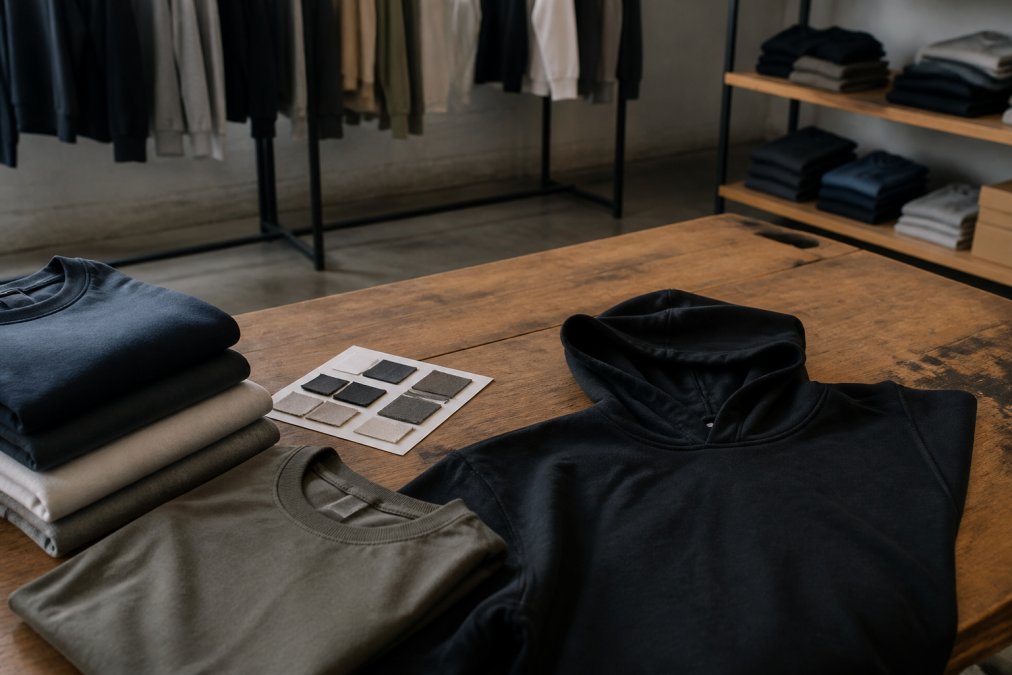
How to Find High Quality Streetwear That Lasts
Table of Contents
- Why Most Streetwear Falls Apart (and What to Look For Instead)
- Streetwear Fabric Weight Guide: The First Test of Quality
- How to Spot High Quality Clothing: 7 Construction Checks
- Fit Profile Matters: Understanding Silhouette and Cut
- Is Adversity Streetwear Worth the Investment?
- Where to Find High Quality Streetwear: Retailers and Drops
- Caring for Your Pieces: Making Quality Last
- Your Next Move: Choose Pieces That Match Your Standards
- Frequently Asked Questions
Last Updated: September 5, 2026
Why Most Streetwear Falls Apart (and What to Look For Instead)
The average streetwear buyer has been burned before: a hoodie that pills, a graphic tee that cracks, a neckline that stretches. The problem is rarely the price, it's that most garments are built to a price point, not a standard.
At EVRMORE, we build premium streetwear for people who have rebuilt themselves, and we know durability isn't a marketing claim, it's a material reality.
Most guides tell you to "look for good quality," which is useless. This guide gives you measurable tests: fabric weight in ounces, stitch density per inch, collar construction, and print method.
Streetwear Fabric Weight Guide: The First Test of Quality
The single most reliable predictor of a garment's lifespan is its fabric weight, measured in ounces per square yard. A standard mall-brand t-shirt weighs around 4.5 to 5.5 oz (fabriclink.com). Quality streetwear starts at 7 oz for tees and climbs to 9 oz or more. Hoodies should hit 12 oz and above, with premium pieces reaching 16.5 oz.

Heavier fabric means denser knitting: less transparency, better drape, and superior resistance to stretching and pilling. When a brand lists its fabric weight openly, that's a signal of confidence.
Fabric composition matters just as much. Ring-spun cotton feels softer while maintaining strength, and a cotton-poly blend adds durability without sacrificing breathability.
How to Spot High Quality Clothing: 7 Construction Checks
High quality clothing is the sum of its construction details, assessable in under two minutes. Run through these seven checks before you commit:
- Collar integrity: A ribbed collar should be dense and springy. Stretch it gently; it should snap back without visible distortion. A wide, reinforced collar resists the dreaded "bacon neck."
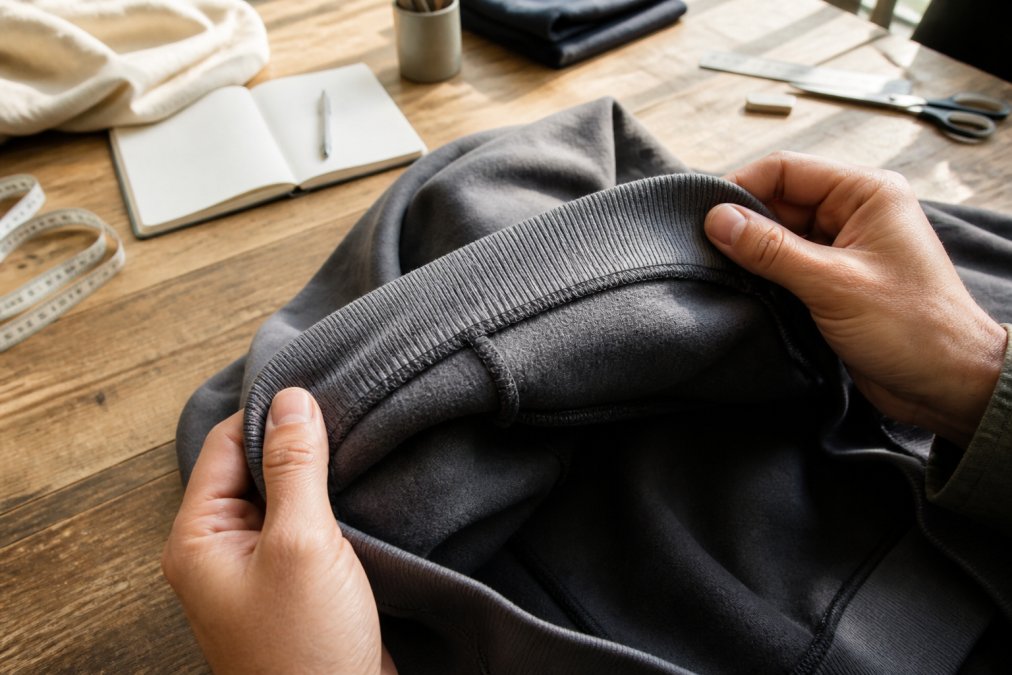
- Stitch density: Turn the garment inside out. Quality pieces use 8-12 stitches per inch (fibre2fashion.com). Sparse stitching with visible gaps means seams will fail under stress.
- Seam construction: Look for flatlock or reinforced seams at stress points: shoulders, underarms, and side seams. A single-needle hem that's folded and double-stitched outlasts a raw edge.
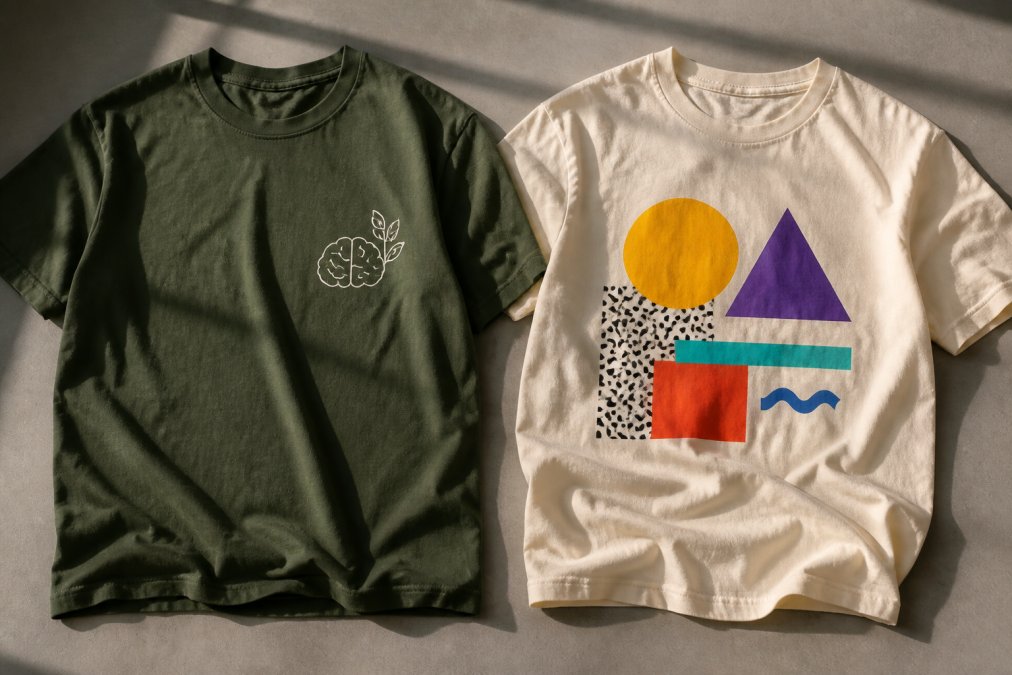
- Print method: Screen printing with a soft-hand base or direct-to-garment printing that's cured properly will flex with the fabric. Thick, plastisol prints that sit on the surface will crack and peel.
- Fabric hand-feel: Heavyweight cotton should feel substantial, not rough. Brush the fabric against your cheek; quality cotton feels smooth, not scratchy.
- Hardware: On hoodies, check the drawstrings. Metal aglets and thick cotton cords signal attention to detail. Plastic tips crack and fray.
- Labeling: A brand that invests in woven labels, printed care instructions, and fabric content tags is investing in the product. Heat-transfer labels that peel are a red flag.
Fit Profile Matters: Understanding Silhouette and Cut
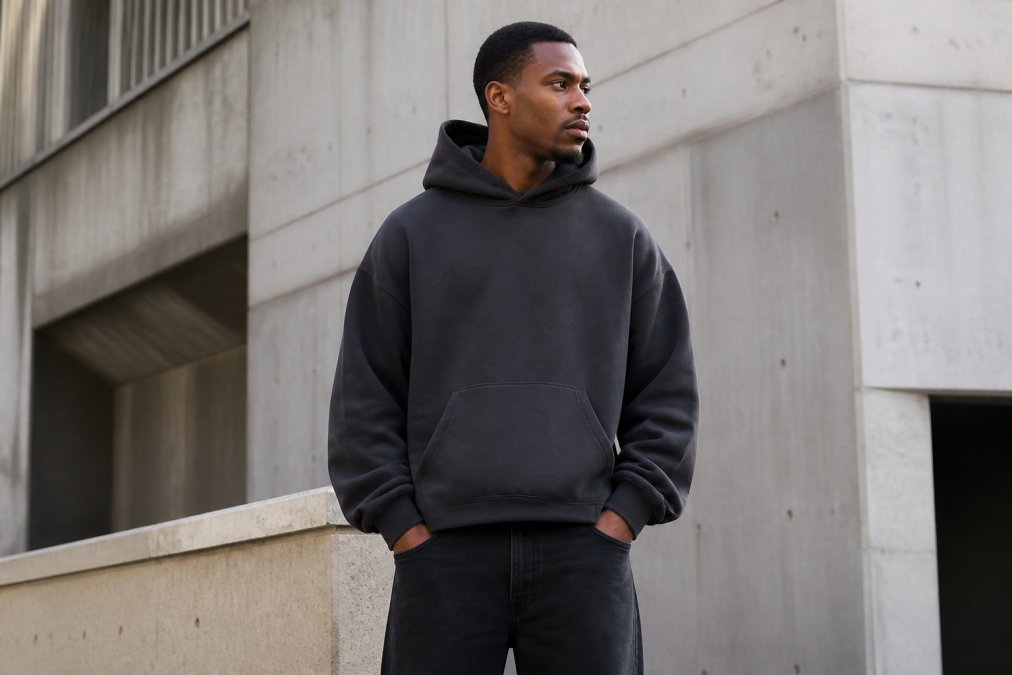
A garment can have perfect fabric and construction, but if the fit profile is wrong for your body, you won't wear it, and an unworn piece has zero value. High quality streetwear is defined by intentional silhouettes: boxy cuts, dropped shoulders, and a relaxed drape that reads as styled rather than sloppy.
The current landscape favors an oversized fit, but that doesn't mean buying a size up from a slim-cut brand. True oversized garments are cut that way from the pattern, with wider shoulders, a longer torso, and proportionally adjusted sleeves.
Before ordering online, measure a garment you already own that fits well. Compare chest width, shoulder-to-shoulder distance, and total length against the size chart. Brands that provide detailed measurements are confident in their cut; brands that only offer S/M/L are asking you to gamble.
Is Adversity Streetwear Worth the Investment?
Adversity streetwear, clothing designed around resilience, recovery, and personal growth, has grown from a niche subculture into a distinct category. Whether it's worth the investment is really two questions: Does the message resonate authentically, and does the garment meet the same quality bar you'd apply to any premium piece?
The Authenticity Audit
Before evaluating fabric or stitching, evaluate the brand's origin story. A brand built around a founder's documented recovery journey, military service, or athletic comeback has a different relationship to its message than one that adopted the trend on social media.
- Specificity in storytelling: Vague language like "overcoming obstacles" without concrete details is a red flag. Specific narratives, recovery timelines, training regimens, or community programs, signal genuine investment.
- Community engagement: Brands that host events, support recovery groups, or partner with nonprofit organizations are building something beyond a product line. Check their social media for evidence of actual community involvement, not just reposted motivational quotes.
- Design coherence: Does the artwork and messaging feel like a cohesive point of view, or does it look like it was assembled from stock graphics? Authentic brands develop a visual language that reflects their core message.
The Material Reality Check
Once the brand passes the authenticity audit, apply the same measurable standards you'd use on any premium garment. A brand can charge $80 for a hoodie because of its message, but if it weighs 10 oz with a basic screen print, you're paying for the slogan, not the garment.
A worthwhile investment piece should meet these minimums:
- Fabric weight: At least 7 oz for tees and 12 oz for hoodies. Heavier weights signal that the brand is investing in the physical product, not just the narrative.
- Print durability: Ask about the print method. Water-based or soft-hand screen prints that soak into the fabric will outlast thick plastisol layers that sit on the surface and crack within months.
- Manufacturing transparency: Brands that manufacture domestically or in facilities with verifiable labor standards typically maintain stricter quality control. If a brand won't disclose where its garments are made, that silence is informative.
The Emotional Math
There's a legitimate psychological component here. Clothing tied to a personal milestone, a sobriety date, a fitness transformation, a new chapter, functions as a wearable reminder of your standards. That emotional utility is real, but it only compounds if the physical garment holds up.
The most honest way to evaluate the investment is to ask: If this garment had no message at all, would I still pay this price for the fabric and construction? If no, you're buying a slogan. If yes, the message becomes a meaningful bonus rather than a justification for overpaying.
Consider a brand like EVRMORE, which builds its identity around resilience and recovery. Their heavyweight hoodies are cut from 16.5 oz French terry and manufactured in Los Angeles, numbers that stand up to scrutiny regardless of the message. That alignment between narrative and material is the exception, not the rule.
Where to Find High Quality Streetwear: Retailers and Drops
Finding high quality streetwear requires knowing where to look. The landscape splits into three main channels, each with distinct trade-offs in price, selection, and your ability to verify quality before purchase.
Direct-to-Consumer Brands: The Quality-to-Price Sweet Spot
Direct-to-consumer (DTC) brands offer the best value because they eliminate wholesale markup. When you buy from a brand's own site, you're paying for the garment plus their operating costs, not a retailer's 30-50% margin.
The key advantage of DTC is transparency. Quality-focused DTC brands publish detailed specifications because they have nothing to hide.
- Fabric weight in ounces (e.g., 9 oz tee, 16.5 oz hoodie)
- Fabric composition percentages (e.g., 80% ring-spun cotton, 20% polyester)
- Construction details (e.g., reinforced seams, ribbed collar width, print method)
- Size charts with actual garment measurements in inches or centimeters
If a DTC brand's product page only says "premium cotton" without specifics, treat that as a yellow flag. A brand confident in its materials will tell you exactly what you're getting.
Curated Retailers: The Physical Inspection Advantage
Physical retail remains the gold standard for quality verification because you can feel the fabric, stretch the collar, and inspect the stitching before spending a dollar. The trade-off is markup, typically 30-50% above direct prices, but that premium buys you certainty.
In person, run the seven construction checks from earlier. Online, look for multiple high-resolution images, especially close-ups of fabric texture and stitching. If a retailer only shows flat product shots, they may be hiding quality issues.
Limited Drops and Collaborations: Proceed With a Framework
Limited drops create scarcity, and scarcity drives prices up, but resale value is no guarantee of quality. A hyped collaboration can be printed on blanks that cost the brand eight dollars.
Before chasing a drop, research the manufacturing partner. Many collaborations use established blank manufacturers like Independent Trading Co., Hanes, or Gildan. If you can identify the blank, you can look up its fabric weight and construction quality. A collaboration on a 6 oz Gildan tee is a different proposition than one on a 12 oz Independent hoodie.
For limited drops, apply these additional checks:
- Look for the blank: Search the brand's product page for any mention of the base garment. If they don't disclose it, ask in the comments or via customer service. Brands that use quality blanks are usually proud to name them.
- Check the print quality: Limited drops often use specialty printing techniques. Ask about the print method and whether it's been tested for cracking and fading.
- Ignore the hype cycle: If a drop sells out in minutes, that's a marketing achievement, not a quality signal. Wait for the resale market to cool and buy from someone who actually wore the piece and can speak to its durability.
Community Intelligence: Where Enthusiasts Actually Shop
Beyond the major channels, the most reliable quality intelligence comes from communities where enthusiasts discuss purchases in detail. Reddit communities like r/streetwear and r/rawdenim, Discord servers, and YouTube reviewers who focus on garment construction are all sources of unfiltered, long-term wear data.
Search a brand name plus "review" or "fabric weight" on Reddit before purchasing. You'll often find threads where owners discuss how a piece held up after six months or a year of wear, information no retailer will publish.
The Final Evaluation Framework
Whichever channel you use, the evaluation framework stays the same. Before you buy, you should be able to answer three questions: What is the fabric weight and composition? What construction methods were used? And does the brand provide detailed measurements and manufacturing transparency?
Caring for Your Pieces: Making Quality Last
Even the best-constructed garment will fail early if you wash it wrong. The most common mistake is washing everything on a normal cycle with hot water and tumbling dry on high heat.
Wash your streetwear inside out in cold water on a gentle cycle. This protects the print and reduces friction on the fabric's surface. Hang dry whenever possible. If you must use a dryer, use the lowest heat setting and remove garments while slightly damp.
For graphic pieces, avoid folding with the print facing itself, which can cause creasing and cracking over time. Fold with the graphic facing up or hang them in a well-ventilated closet.
| Care Step | Frequency | Why It Matters |
|---|---|---|
| Wash inside out, cold, gentle | Every wash | Protects prints and reduces fiber friction |
| Hang dry | Every wash | Prevents shrinkage and fabric breakdown |
| Spot-treat stains | Immediately | Prevents set-in discoloration |
| Skip fabric softener | Never use | Avoids waxy residue that weakens fibers |
| Fold with graphic up | Every storage | Prevents crease cracking on prints |
Your Next Move: Choose Pieces That Match Your Standards
Finding high quality streetwear isn't about chasing the most expensive drop or the loudest logo. It's about applying consistent standards: fabric weight that supports the garment's purpose, construction that survives repeated wear, and a fit profile that works with your body.
EVRMORE builds every piece to those standards. Our heavyweight tees use 9 oz ring-spun cotton-poly fabric with dropped shoulders and wide ribbed collars. Our hoodies are cut from 16.5 oz French terry and manufactured in Los Angeles, with reinforced seams designed to hold their shape wash after wash. Each design carries a message of resilience, but the construction carries the weight of that message.
Start with a piece that matches your journey. Choose the EVRMORE heavyweight hoodie collection and experience apparel that's as resilient as you are. Add it to your cart and wear something that was built to last, just like you were.
Frequently Asked Questions
What fabric weight should I look for in high quality streetwear?
For tees, aim for at least 7 oz, ideally 9 oz or heavier. Premium hoodies should weigh 14 oz to 16.5 oz or more. Heavier fabric means denser knitting, which holds its shape, resists pilling, and drapes better. EVRMORE uses 9 oz ring-spun cotton for tees and 16.5 oz French terry for hoodies. Always check the product page for GSM or ounce specifications before buying.
How can you tell if a streetwear brand uses premium materials?
Check the listed fabric weight and fiber content first. Ring-spun cotton and long-staple fibers signal better durability. Look for details like reinforced stitching, ribbed collars that hold shape, and pre-shrunk fabric. Quality brands disclose their sourcing and manufacturing. EVRMORE states its hoodies are made in Los Angeles, which is a transparency marker. Vague descriptions like 'premium feel' without specs are a red flag.
Is expensive streetwear always better quality?
No. Price often reflects branding and hype rather than construction. A $200 tee from a hyped drop can use the same 5 oz blank as a fast-fashion item. Evaluate the garment itself: fabric weight, seam construction, collar integrity, and print quality. These factors determine durability. High quality streetwear costs more because materials cost more, but you must verify the specs justify the price tag.
What are the signs of a well-constructed hoodie?
Look for a fabric weight of at least 14 oz, ideally 16.5 oz. Check that the collar is ribbed and wide enough to hold shape without stretching. Examine interior seams for flatlock or reinforced stitching. Quality hoodies use raglan sleeves for mobility and a full cut that drapes intentionally. The print or graphic should be screen printed, not vinyl, so it won't crack after a few washes.
This article was written using GrandRanker
%0AStreetwear%20Fabric%20Weight%20Guide:%20The%20First%20Test%20of%20Quality%0AHow%20to%20Spot%20High%20Quality%20Clothing:%207%20Construction%20Checks%0A...)
Leave a comment
This site is protected by hCaptcha and the hCaptcha Privacy Policy and Terms of Service apply.