

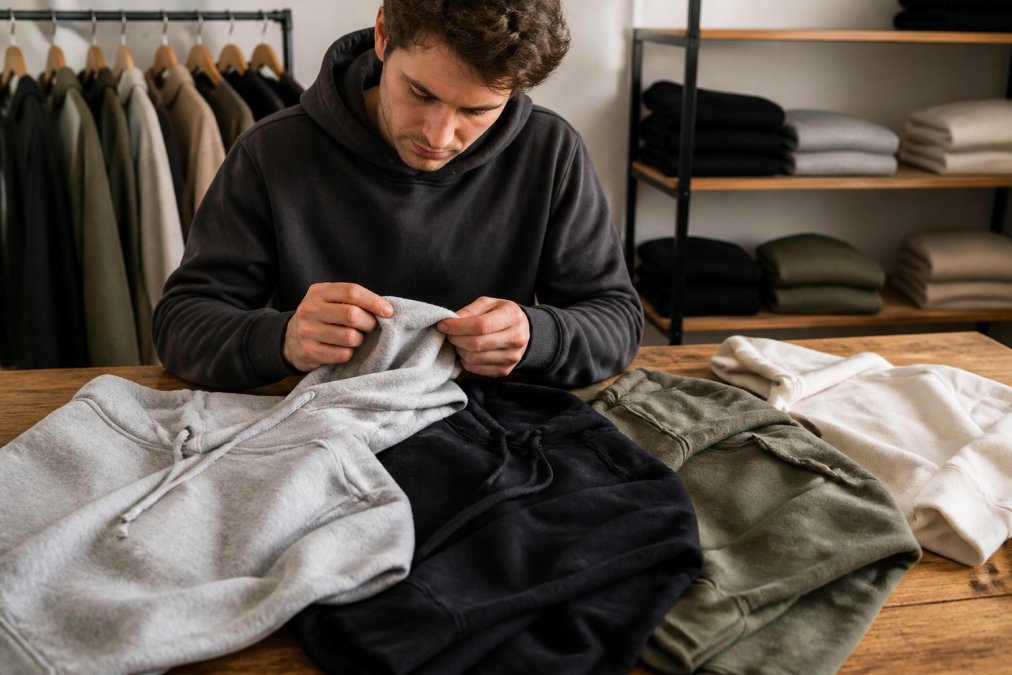
How to Identify High Quality Hoodies: A Buyer's Guide
Table of Contents
- What Makes a High Quality Hoodie
- Best Fabric for Hoodies: Material Composition Matters
- What Is GSM in Clothing and Why It Matters
- How to Check Hoodie Stitching Quality
- Hardware Quality: Zippers, Drawstrings, and Aglets
- Visual Inspection Checklist for Online Shopping
- Signs of Poor Manufacturing to Avoid
- Durability Indicators That Predict Longevity
Last Updated: August 8, 2026
What Makes a High Quality Hoodie
A high quality hoodie combines superior fabric construction, reinforced stitching, durable hardware, and thoughtful design details that withstand repeated wear and washing. The difference between a hoodie that lasts years and one that falls apart in months comes down to material choices, manufacturing precision, and component quality.
When evaluating hoodies, assess three interconnected systems: the fabric itself, how it's assembled, and the hardware pieces that experience the most stress. Each matters equally. Premium fabric with weak seams will fail. Excellent stitching on cheap material won't deliver longevity. Weak zippers and drawstrings will give out regardless of fabric quality.
The best way to identify high quality hoodies is to develop an eye for specific indicators rather than relying on brand reputation alone. This guide walks you through exactly what to look for, from material composition to manufacturing details you can spot even when shopping online.
Best Fabric for Hoodies: Material Composition Matters
The fabric you choose determines how your hoodie feels, performs, and ages. Most quality hoodies use either cotton-based blends or specialized fleece constructions.
Ring-Spun vs. Combed Cotton
Ring-spun cotton creates softer, more durable fabric than standard cotton. The spinning process twists fibers tighter, creating stronger staple fibers that resist pilling and maintain structure through washing. Combed cotton removes short fibers before spinning, resulting in longer staple fibers that feel smoother and age better.
Ring-spun cotton offers better durability for everyday wear, while combed cotton delivers superior softness and colorfastness. Many premium hoodies blend both processes. Look for labels specifying "ring-spun combed cotton", this signals intentional material selection.
GSM (grams per square meter) matters more than fiber type alone. A 280 GSM ring-spun cotton hoodie will outlast a 180 GSM combed cotton one, regardless of spinning method. Fabric weight directly correlates with longevity.
French Terry and Fleece Construction
French terry uses loopback construction on one side, creating a dense, absorbent interior while maintaining a smooth exterior. This structure provides thermal insulation without excessive bulk. Brushed fleece adds a soft surface layer to the loopback base, enhancing comfort and thermal regulation.
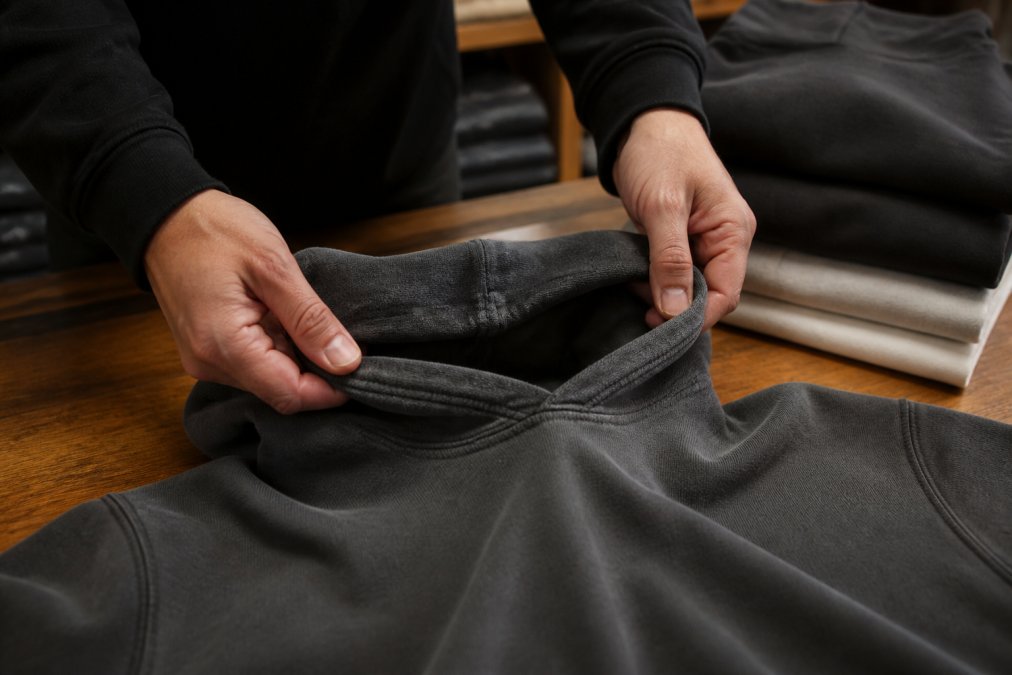
Loopback density determines fleece performance. Higher density means tighter loops, which translates to better durability and thermal properties. When examining a hoodie, bend the fabric and look at the loop structure, tightly packed loops indicate quality construction.
EVRMORE's Built Stronger Hoodie in original French terry exemplifies this approach. The heavyweight construction uses premium terry that maintains its structure through regular wear and washing, delivering the durability that resonates with their audience of individuals who value apparel built to last.

What Is GSM in Clothing and Why It Matters
GSM (grams per square meter) measures fabric density and weight. A 280 GSM hoodie contains 280 grams of material per square meter of fabric. This metric predicts durability, warmth, and longevity better than almost any other specification.
Lightweight hoodies fall in the 150-200 GSM range and work for layering or warmer climates but won't survive aggressive wear. Midweight hoodies sit between 200-280 GSM, balancing comfort with durability, most quality everyday hoodies land here. Heavyweight hoodies exceed 280 GSM, often reaching 320-400 GSM, designed for longevity and premium performance.
The relationship between GSM and longevity isn't linear. A 320 GSM hoodie lasts significantly longer than a 200 GSM one because denser fabric resists the micro-damage that accumulates through wear. Heavier fabric absorbs impact better, resists abrasion, and maintains structural integrity.
When shopping, ask for GSM specifications. If a retailer won't provide this information, that's a red flag. Quality manufacturers highlight fabric weight because it directly correlates with value. EVRMORE's hoodie collection emphasizes heavyweight construction specifically because their audience understands that durability matters more than trend-chasing.
How to Check Hoodie Stitching Quality
The seams hold everything together. Poor stitching fails long before fabric deteriorates. Examine three specific stitching elements: stitch density, seam reinforcement, and edge finishing.
Double-Needle Stitching and Seam Reinforcement
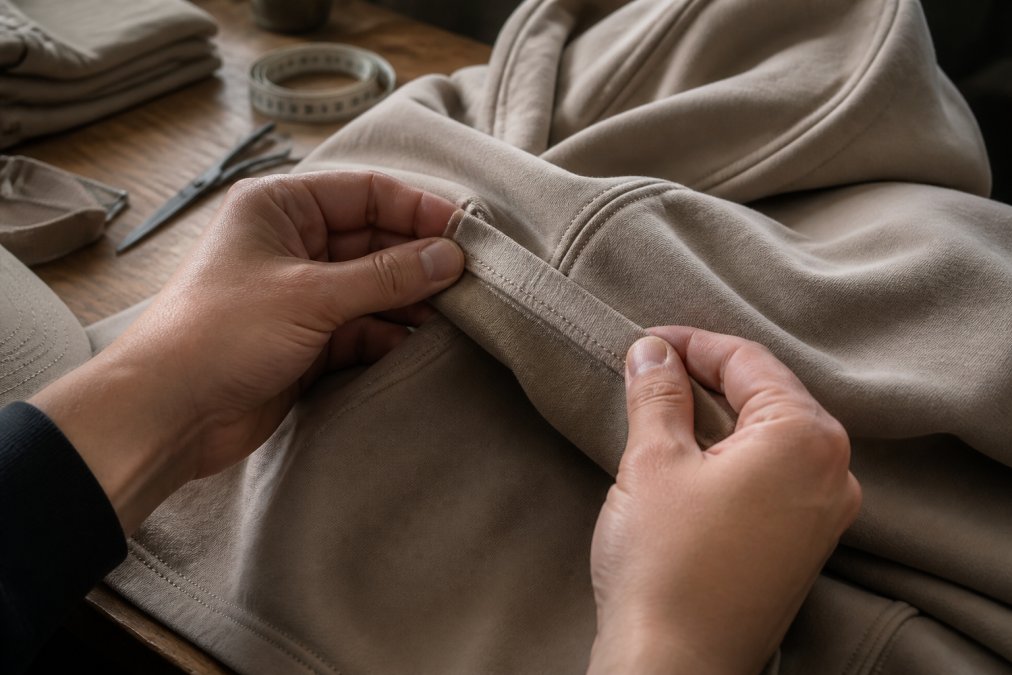
Double-needle stitching uses two parallel needles to create two lockstitch lines simultaneously, reinforcing seams without adding bulk. The two lines distribute stress across a wider area, preventing seam separation even under tension.
Look for double-needle stitching on stress points: armholes, shoulder seams, and the base where the body meets the ribbing. Quality construction uses reinforcement tape or bar-tacking at high-stress points. Bar-tacking creates a dense cluster of stitches that prevents seam ripping.
When examining a hoodie, run your finger along the seams. Quality stitching feels smooth and even. Inconsistent stitch length, skipped stitches, or loose threads indicate poor quality control. The thread should match the fabric color.
Overlock Stitching and Finished Edges
Overlock stitching (also called serging) finishes raw edges and prevents fraying. Quality overlock stitching uses thread that matches the fabric and maintains consistent tension throughout.
Examine the inside of the hoodie. All raw edges should be finished with overlock stitching. Unfinished edges indicate a garment designed for quick production rather than longevity. The overlock stitch should be tight enough to seal the edge but not so tight it puckers the fabric.
Hardware Quality: Zippers, Drawstrings, and Aglets
Small components fail first. A premium hoodie with mediocre hardware will disappoint quickly. Quality zippers use metal sliders and teeth rather than plastic. Metal zippers slide smoothly and resist jamming.
Examine the zipper pull. Quality pulls use metal or reinforced plastic that won't snap off. The pull should be large enough to grip comfortably, especially when wearing gloves.
Drawstrings experience constant tension and friction. Quality drawstrings use twisted cotton or nylon cord that resists fraying. Check the aglets (the plastic or metal tips) at the drawstring ends. Broken or missing aglets allow the cord to unravel.
When examining a hoodie, pull the drawstring gently. It should move smoothly through the channel without catching.
Visual Inspection Checklist for Online Shopping
Shopping online means you can't feel the fabric or examine stitching in person. Use these visual indicators to assess quality from product photos and descriptions.
Fabric appearance: Quality fabric shows consistent color and texture across the entire garment. Look for pilling in product photos, even small pills indicate low-quality fiber or loose weave. The surface should appear smooth and uniform.
Seam alignment: Examine seams in multiple photos. They should run straight without puckering or waviness. Check that pattern placement is intentional, with graphics sitting properly on the chest or back.
Ribbing quality: The cuffs and hem use ribbed knit fabric that must stay elastic. Look for consistent ribbing width and tension. Quality ribbing maintains its shape through years of wear.
Graphic quality: If the hoodie features printed or embroidered graphics, examine the edges closely. Quality graphics have clean, sharp edges without fraying or bleeding. Embroidery should be densely stitched without gaps.
Fit consistency: Compare multiple product photos from different angles. Quality garments maintain consistent proportions and sizing.
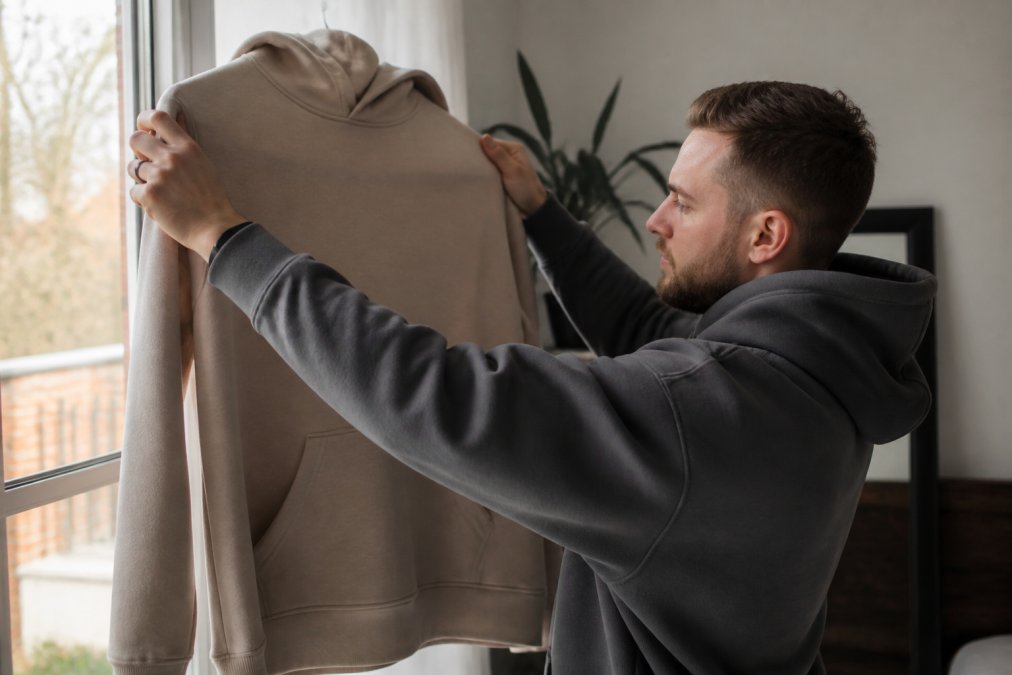
Hang and drape: Quality fabric drapes naturally. If the hoodie appears to cling awkwardly or look stiff in photos, the fabric likely lacks the proper weight or composition.
| Inspection Element | What to Look For | Red Flag |
|---|---|---|
| Fabric surface | Smooth, consistent color, no visible pilling | Uneven color, visible pills, dull appearance |
| Seams | Straight alignment, consistent stitch spacing | Puckered seams, wavy lines, misalignment |
| Ribbing | Tight, consistent width, elastic appearance | Loose ribbing, uneven width, stretched look |
| Graphics | Clean edges, dense stitching/printing, proper placement | Frayed edges, gaps, bleeding, off-center placement |
| Overall appearance | Professional presentation, natural drape | Wrinkled, stiff, awkward positioning |
Signs of Poor Manufacturing to Avoid
Certain manufacturing shortcuts appear consistently across low-quality hoodies. Learning to spot these saves money and frustration.
Inconsistent stitching indicates rushed production. Stitch length should remain uniform throughout. Pilling on new fabric means the fiber quality is poor or the weave is too loose. Misaligned seams suggest the cutting or sewing process lacked precision. Unfinished edges on the interior signal cost-cutting, all raw edges should be sealed with overlock stitching. Loose or missing hardware indicates quality control failures. Dye inconsistency appears as color variation across the garment. Synthetic blends without specification should raise questions, quality manufacturers disclose the exact blend ratio.
Durability Indicators That Predict Longevity
Certain construction choices directly predict how long a hoodie will last. Heavyweight construction (280+ GSM) resists wear better than lightweight options. High staple fiber length in the cotton means longer wear life. Multiple reinforcement points indicate the manufacturer prioritizes durability. Tight ribbing construction maintains elasticity through years of wear. Finished interior edges prevent unraveling. Appropriate thread weight matches the fabric. Colorfastness indicates quality dye processes.

The intersection of these factors predicts real-world longevity. A hoodie with heavyweight fabric, reinforced seams, quality hardware, and finished edges will last years. The same construction in EVRMORE's Built Stronger collection reflects their commitment to durability, their audience values apparel that endures because it mirrors their own resilience.
When you're evaluating hoodies, you're making a statement about what you value. Quality construction costs more upfront but delivers value through years of reliable wear. EVRMORE's heavyweight hoodies, built with premium French terry and reinforced construction, exemplify this philosophy. Rather than replacing worn-out pieces seasonally, investing in durable apparel that performs reliably aligns with the values of individuals who've rebuilt themselves and refuse to compromise on quality. Add to cart and experience the difference that thoughtful construction makes.
Frequently Asked Questions
How do I tell if a hoodie is good quality?
Look for heavyweight fabric (at least 300 GSM), ring-spun or combed cotton construction, and double-needle or reinforced stitching throughout. Check that seams are straight and tight, hardware like zippers and drawstring aglets are sturdy, and the fabric doesn't show pilling or loose threads. Quality hoodies maintain their shape after washing and don't shrink excessively. EVRMORE's Built Stronger hoodies use premium French terry and fleece with reinforced construction designed to withstand everyday wear.
Does GSM matter when buying a hoodie?
Yes, GSM (grams per square meter) directly indicates fabric weight and durability. Lightweight hoodies typically fall below 250 GSM and won't last as long. Heavyweight hoodies range from 300-400+ GSM and offer superior durability, better thermal insulation, and longer lifespan. Higher GSM fabrics resist pilling, maintain their shape, and feel more substantial. When comparing options, prioritize at least 300 GSM if you want a hoodie that will withstand regular washing and wear for years.
What should I look for in hoodie fabric to ensure durability?
Choose hoodies made from ring-spun or combed cotton, which have longer staple fibers that resist pilling and fraying. Look for French terry or brushed fleece construction, which offers better durability than standard jersey knit. Check the fabric density and weight, denser fabrics hold their shape better. Avoid synthetic blends that shed microfibers and degrade faster. Quality hoodies should feel smooth and substantial in your hand, not thin or flimsy. EVRMORE's hoodies feature heavyweight French terry and fleece specifically engineered for durability and everyday wear.
How can I tell if a hoodie will shrink?
Pre-shrunk hoodies made from ring-spun cotton with proper garment construction minimize shrinkage. Check the care label for shrinkage warnings, and research the brand's track record. Hoodies with reinforced seams and quality construction shrink less because the fabric is tightly woven and stable. Avoid lightweight synthetic blends, which can shrink unpredictably. When in doubt, size up slightly or wash in cold water and air-dry. Heavyweight construction like EVRMORE's built-to-last hoodies naturally resists excessive shrinkage due to fabric density and professional finishing.
This article was written using GrandRanker

Leave a comment
This site is protected by hCaptcha and the hCaptcha Privacy Policy and Terms of Service apply.