

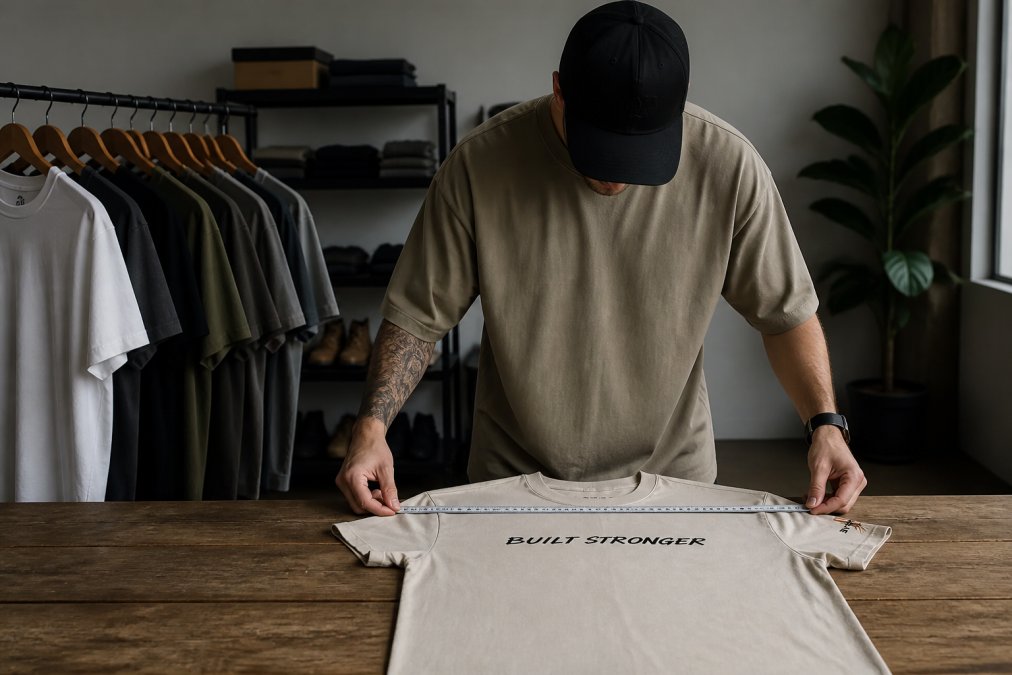
How to Choose Streetwear Size: A Fit Guide
Table of Contents
- Why Streetwear Sizing Differs from Regular Clothing
- How to Measure Your Body for Streetwear Sizing
- Understanding Garment Measurements vs Body Measurements
- Best Streetwear Fit for Your Body Type
- Reading Size Charts and Fit Guides Correctly
- Sizing Up, Sizing Down, and In-Between Decisions
- Account for Shrinkage and Fabric Weight
- Conclusion
Last Updated: August 25, 2026
Why Streetwear Sizing Differs from Regular Clothing
Streetwear sizing operates by its own rules. Unlike traditional apparel that follows predictable, standardized measurements, streetwear intentionally breaks those conventions. The fit is part of the statement. A boxy silhouette with dropped shoulders isn't an accident, it's deliberate design that defines the aesthetic. This is where many first-time streetwear buyers stumble. They apply regular clothing logic to streetwear and end up with pieces that feel wrong.
The difference comes down to silhouette and intention. Regular clothing aims for a fitted, body-conforming cut. Streetwear embraces relaxed fit, oversized proportions, and intentional room for layering. Brands like EVRMORE design with this philosophy in mind, heavyweight fabric construction paired with a boxy cut creates a specific look that requires understanding the design intent, not just grabbing your usual size.
Streetwear also accounts for lifestyle. These pieces are built for everyday wear, recovery days, and the kind of comfort that doesn't sacrifice style. The oversized fit serves a purpose: it works across body types, allows for layering, and creates that urban aesthetic that defines modern streetwear culture. When you understand this foundational difference, choosing the right streetwear size becomes straightforward.
How to Measure Your Body for Streetwear Sizing
Taking accurate measurements is non-negotiable. Most sizing mistakes happen because people estimate rather than measure. You need five key measurements to make an informed decision: chest, shoulder width, sleeve length, torso length, and inseam. These specific dimensions tell you whether a piece will fit your frame or leave you swimming in fabric.

Key Measurements You Need
Chest width is your starting point. This determines whether a relaxed fit actually feels relaxed on your frame or oversized to the point of looking sloppy. Measure straight across the fullest part of your chest, keeping the tape parallel to the ground. Don't pull tight, the tape should sit comfortably against your skin.
Shoulder width matters more for streetwear than most people realize. Dropped shoulders are a signature element, but they only work if they drop to the right point on your actual shoulders. Measure from the outer edge of one shoulder bone to the outer edge of the other. This is often smaller than you'd expect.
Sleeve length determines whether your wrists disappear into fabric or if you get that intentional cropped look. Measure from the center back of your neck, across your shoulder, down your arm to your wrist bone. Keep your arm relaxed at your side.
Torso length (shoulder to hip) tells you if a piece will hit at your natural waist or drape past it. This is especially important for hoodies and oversized tees. Measure from the top of your shoulder down to your hip bone.
Inseam is critical for bottoms. Measure from your inner thigh down to your ankle bone while standing barefoot. This is the one measurement most people already know from regular jeans shopping.
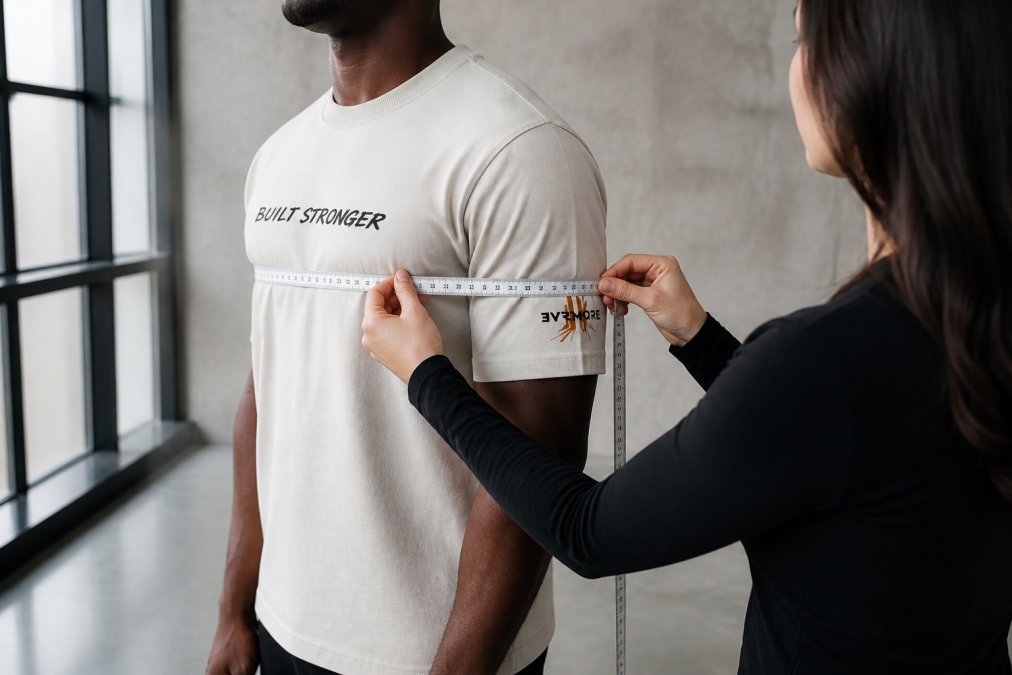
Taking Accurate Measurements at Home
You don't need a professional tailor. A soft measuring tape and a mirror solve most of the problem. Stand in front of the mirror in fitted clothing so you can see where the tape sits. Have someone else take measurements if possible, it's harder to get accurate readings on yourself, especially for shoulder width and sleeve length.
Write down your measurements immediately. Don't rely on memory. Take them twice to verify accuracy. A quarter-inch difference doesn't matter, but a half-inch discrepancy between readings means you need to measure again.
Measure in the same clothing each time. Wear the same fitted shirt when you measure, so you're working with consistent reference points. Avoid measuring over bulky sweaters or loose layers, they throw off your numbers.
Keep these measurements handy when shopping. Before you add anything to your cart, pull up your numbers and compare them directly to the garment's measurements. This single habit eliminates most sizing regrets.
Understanding Garment Measurements vs Body Measurements
Here's where most people get confused. Your body measurements and garment measurements are not the same thing. Your chest might measure 38 inches, but a garment with a 38-inch chest measurement will be uncomfortably tight. Garment measurements include ease, the intentional room built into the design.
Streetwear adds extra ease by design. A relaxed fit tee might have a chest measurement that's 4-6 inches larger than your actual chest (peer-reviewed research). An oversized hoodie could be 6-10 inches larger. This isn't a mistake. It's the aesthetic. EVRMORE's designs, for example, feature a boxy streetwear cut with dropped shoulders that intentionally provides that relaxed silhouette most streetwear enthusiasts want.
The critical skill is reading a size chart correctly. Most brands list garment measurements, not the body size they're designed for. Look for the actual garment dimensions: chest width (laid flat), shoulder width, sleeve length, and total length. Compare these directly to your body measurements, accounting for the ease you want.
If a brand doesn't provide detailed measurements, that's a red flag. Reputable streetwear brands publish comprehensive size charts because they understand their customers care about fit. Brands that only list S, M, L without actual dimensions are making it hard to choose correctly.
Best Streetwear Fit for Your Body Type
Streetwear's beauty is that the relaxed fit works across different body types, but "works" doesn't mean it looks identical on everyone. Understanding how the boxy silhouette interacts with your proportions helps you choose pieces that feel intentional rather than accidental.
Lean or athletic builds benefit from the extra room that oversized fit provides. The relaxed silhouette adds visual volume and works well with layering. A piece that feels oversized on a broader frame might feel perfectly proportioned on you. Dropped shoulders create a wider visual line, which balances narrower frames effectively.
Broader or muscular builds need to pay attention to shoulder width and chest measurement. An oversized piece on you is truly oversized. The dropped shoulder might drop too far, creating an awkward proportion. Look for pieces where the shoulder measurement matches or slightly exceeds your actual shoulder width. You want the relaxed fit without the piece looking like you borrowed it from someone else.
Shorter frames should focus on total length and proportions. An oversized tee that hits mid-thigh on someone 6 feet tall might hit below the knee on you. This changes the entire visual balance. Consider how the piece proportions to your frame, does it overwhelm you or complement your height?
Taller frames have the opposite challenge. A standard oversized length might feel cropped. Check total length carefully. Many streetwear pieces are designed with average heights in mind. If you're significantly taller, you might need to size up even if the chest measurement seems large.
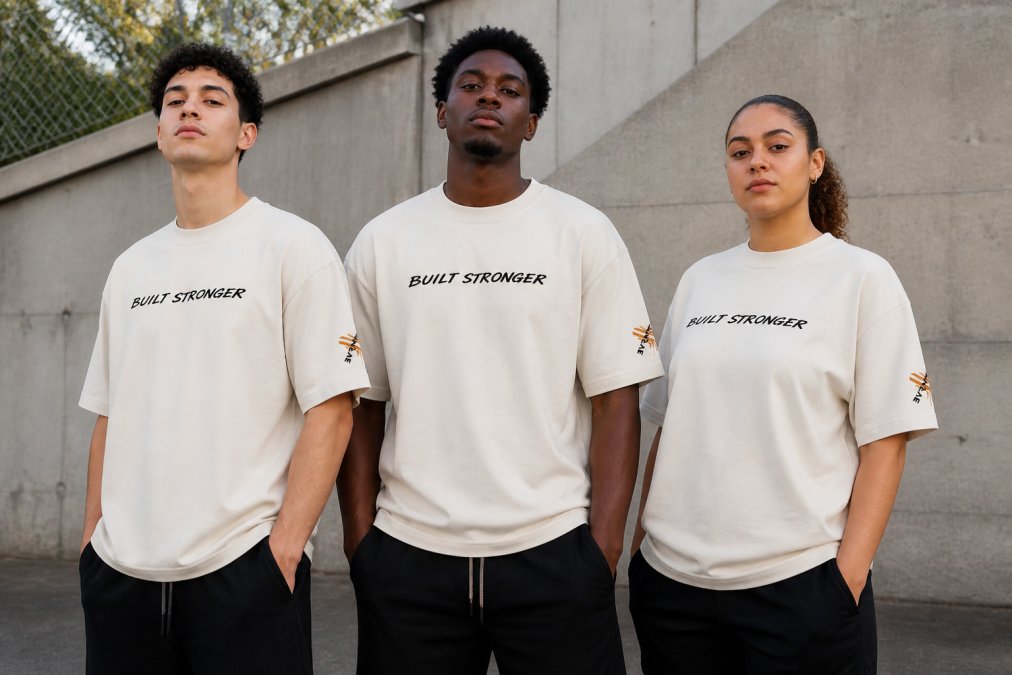
The key is matching the garment's proportions to your body's proportions, not trying to force a universal size to work for everyone. Streetwear celebrates individual style, your fit should feel intentional for your frame.
Reading Size Charts and Fit Guides Correctly
A size chart is only useful if you actually use it. Most people glance at it and make assumptions. The detailed approach takes three minutes and prevents weeks of regret.
Start with the measurement that matters most for that specific garment. For a tee, that's chest width. For a hoodie, it's chest width and sleeve length. For sweatpants, it's waist, length, and inseam. Find your body measurement in the chart, then look at what the garment actually measures.
Look for fit descriptions alongside measurements. Brands that say "relaxed fit" or "oversized" are telling you to expect extra room. A size chart that says "fits true to size" means the garment measurement is close to typical body sizing for that label, not the industry standard. "Runs large" means the garment measurements are bigger than the labeled size would suggest. Pay attention to these notes.
Check multiple measurements, not just one. A piece might have a chest measurement that looks perfect but a sleeve length that's too short. You need the full picture. Many sizing mistakes happen because people focus on one dimension and ignore others.
Look at photos or fit videos if the brand provides them. Seeing how a piece actually drapes on different body types is more valuable than any number. EVRMORE includes detailed product photography and descriptions so you can see how pieces fit in real conditions. Brands that hide fit details are often hiding fit problems.
Sizing Up, Sizing Down, and In-Between Decisions
The decision to size up or down depends on what you're buying and what fit you want. There's no universal rule, it's about intentionality.
Sizing up makes sense when you want a more pronounced oversized look or when you plan to layer heavily underneath. If you're between sizes and the smaller size feels snug in the chest, going up gives you the relaxed fit that defines streetwear. For hoodies specifically, sizing up is common because people want room for layering underneath. A heavyweight hoodie from EVRMORE, for example, is designed to accommodate layers while maintaining its silhouette.

Sizing down rarely applies in streetwear unless you specifically want a more fitted look that contradicts the aesthetic. The only time it makes sense is if a brand runs exceptionally large and the size-down still gives you the ease you want. Check the size chart to verify this before committing.
Being between sizes is the most common dilemma. If you're between a Medium and Large, decide based on your priority. Want maximum comfort and relaxed fit? Go Large. Want something that feels more intentional to your frame? Go Medium. Both are defensible choices, it depends on your preference.
The fabric weight influences this decision too. A lightweight cotton tee in a larger size might feel genuinely oversized. The same size in heavyweight fabric (like EVRMORE's 9 oz ring-spun cotton) drapes differently and feels more controlled. Heavier fabric holds its shape better, so you can go slightly larger without looking like you're wearing a tent.
Consider your lifestyle. If you're wearing the piece frequently, comfort should win. A slightly oversized fit that feels great after hours of wear beats a "perfect" fit that feels restrictive. Streetwear is built for real life, not just photos.
Account for Shrinkage and Fabric Weight
Fabric weight determines durability, drape, and how the piece will age. It also affects shrinkage, one of the most overlooked factors in sizing decisions.
Lightweight cotton (under 6 oz) shrinks noticeably (peer-reviewed research). A piece that fits perfectly fresh from the box might be noticeably smaller after a few washes. Heavyweight cotton (9 oz and above) shrinks less dramatically, especially if it's been pre-shrunk (peer-reviewed research). EVRMORE uses 9 oz ring-spun cotton in pieces like the Built Stronger tee, which means you get minimal shrinkage and consistent sizing over time.

Check the care label for shrinkage information. If a brand doesn't mention pre-shrinking, assume the piece will shrink slightly. Cold water and gentle washing reduce shrinkage, but some contraction is inevitable with natural fibers.
Account for this in your sizing decision. If you're between sizes and the larger size feels perfect, but the fabric is lightweight and unshrunk, consider sizing up slightly more. If the fabric is heavyweight and pre-shrunk, you can size more confidently.
Fabric weight also affects how the relaxed fit looks. A lightweight oversized tee can look shapeless because the thin fabric doesn't hold structure. The same size in heavyweight fabric drapes with intention. The weight gives it presence. This is why streetwear brands invest in quality construction, it makes the fit look deliberate rather than accidental.
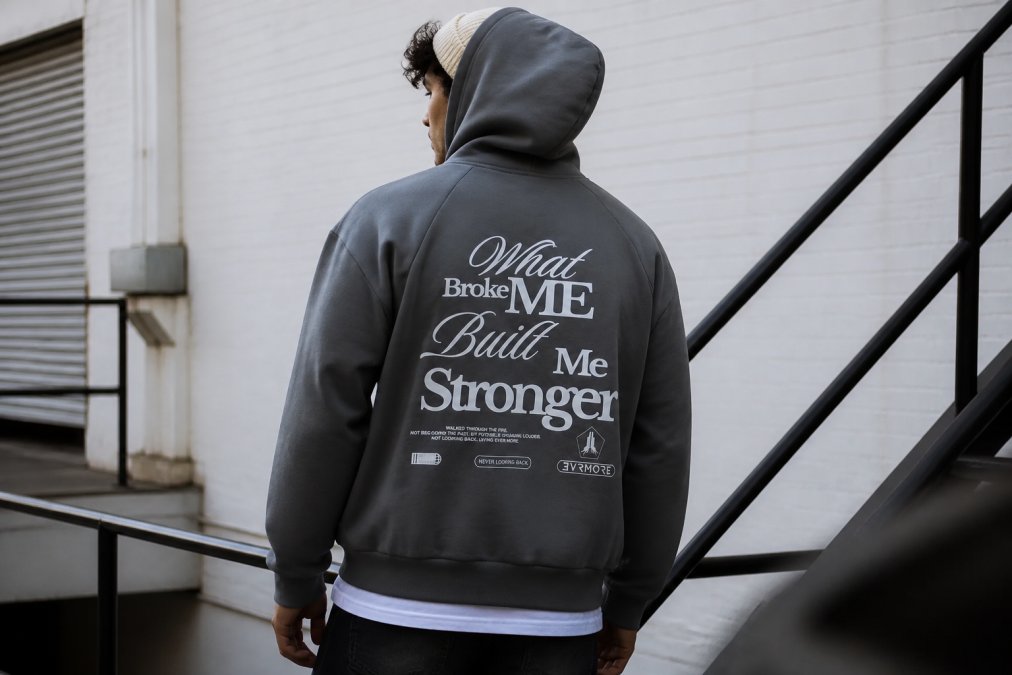
French terry hoodies (like EVRMORE's 16.5 oz What Broke Me Hoodie) are specifically engineered for durability and consistent sizing. The heavier weight means the piece maintains its shape through repeated wear and washing. You're not fighting with the fabric to hold the fit you paid for.
Conclusion
Choosing the right streetwear size comes down to understanding three things: your actual body measurements, the garment's intended fit, and how fabric weight affects durability and drape. Take accurate measurements, read size charts carefully, and factor in the relaxed fit that defines the aesthetic. EVRMORE's heavyweight construction and boxy silhouette are designed for everyday wear that lasts. Start with pieces like the Built Stronger Oversized Heavyweight Streetwear Tee, which combines premium 9 oz ring-spun cotton with a dropped-shoulder cut that works across body types. Get the fit right, and you've got apparel built as resilient as the person wearing it.
Frequently Asked Questions
Q: Should I size up for streetwear tees and hoodies?
A: Yes, most streetwear pieces are designed with an oversized, relaxed fit that intentionally sits loose on your frame. For a boxy silhouette with dropped shoulders, sizing up from your regular clothing size is common. However, always check the specific size chart first, as fit varies by brand. EVRMORE's heavyweight tees and hoodies feature this classic oversized aesthetic, so sizing up ensures you get the intended relaxed profile without looking like you're swimming in fabric.
Q: How do I measure for oversized hoodies to get the right fit?
A: Measure your chest width while wearing a fitted shirt, then add 4-6 inches for comfortable layering room. For sleeve length, measure from your shoulder bone to your wrist with your arm relaxed at your side. When checking a hoodie's garment measurements, the chest width should be 4-6 inches wider than your body measurement, and sleeves should end at or just past your wrist. This gives you the proper relaxed fit without excess fabric bunching at the cuffs. EVRMORE's heavyweight hoodies are cut with dropped shoulders, so they'll naturally sit lower than standard hoodies.
Q: What's the difference between garment measurements and body measurements?
A: Body measurements are taken directly on your skin or fitted clothing and represent your actual size. Garment measurements are the flat dimensions of the finished piece as it hangs. A garment is always larger than the body it's meant to fit because it needs room for movement, layering, and the intended silhouette. For streetwear, this gap is intentional and significant. If your chest measures 38 inches, you might wear a garment with a 44-46 inch chest width for that relaxed, oversized look. Always compare your body measurements against the garment's dimensions, not the size label.
Q: Do I need to account for shrinkage when choosing my streetwear size?
A: Yes, especially with heavyweight cotton fabrics. If a brand doesn't mention pre-shrinking, assume the piece will shrink slightly. Cold water and gentle washing reduce shrinkage, but some contraction is inevitable with natural fibers. If you're between sizes or prefer a tighter fit, consider sizing up slightly to account for this. EVRMORE's heavyweight pieces are constructed to withstand repeated wear and washing, but proper care extends their lifespan and helps preserve the fit you chose.
This article was written using GrandRanker

Leave a comment
This site is protected by hCaptcha and the hCaptcha Privacy Policy and Terms of Service apply.