

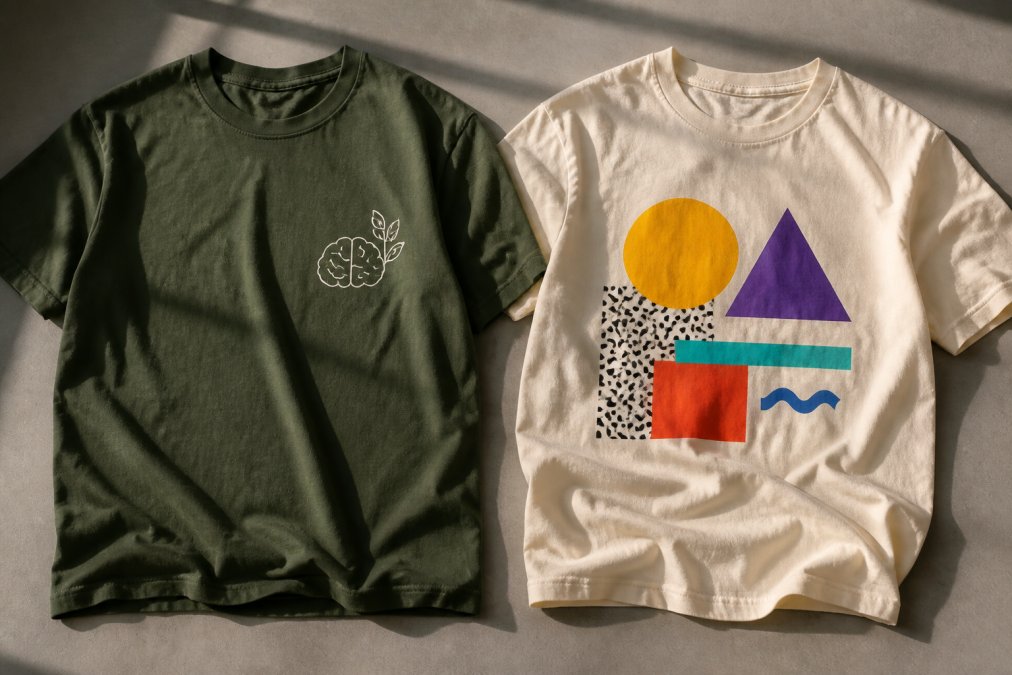
Mental Health Apparel vs Generic Graphic Tees: 2026 Guide
Table of Contents
- Mental Health Apparel vs Generic Graphic Tees: What Actually Differs
- Heavyweight Cotton T-Shirt Benefits for Everyday Wear
- How to Spot Quality Mental Health Apparel
- Conversation Starters vs Fashion Statements: The Performative Activism Critique
- How to Style Graphic Tees for Men Without Looking Sloppy
- What Premium Streetwear Brands for Men Get Right
- Which One Should You Pick? A Practical Decision Framework
- Frequently Asked Questions
Last Updated: September 6, 2026
Mental Health Apparel vs Generic Graphic Tees: What Actually Differs
The difference between mental health apparel and generic graphic tees isn't just the message printed on the chest. It comes down to intention, construction, and what the garment is designed to do for the person wearing it. A generic graphic tee is self-expression; mental health apparel is a wearable tool for identity reinforcement, resilience signaling, and daily affirmation.
That shift has a name: enclothed cognition, the principle that what you wear affects your mental state and performance (psycnet.apa.org). When you put on a shirt that says "Built Stronger," you're reinforcing a narrative about your recovery journey and resilience. The garment becomes part of your self-talk.
Below, we'll break down the fabric and construction differences, how to spot quality, and a practical framework for choosing what belongs in your rotation.
Heavyweight Cotton T-Shirt Benefits for Everyday Wear
Before comparing designs, understand the canvas. The heavyweight cotton t-shirt benefits go beyond a thicker feel. A 9 oz ring-spun cotton/poly blend provides a structured drape that doesn't cling or sag, and is the first line of defense against neckline deformation and shrinking (ncsu.edu).
Most generic graphic tees use 4 to 5 oz single-ply cotton. It feels fine in the store, but after a few washes, the collar twists and the print cracks. Heavyweight fabric, typically 7 oz and up, holds its shape and provides a better surface for durable graphics.
The practical benefit is longevity. A well-constructed heavyweight tee can last for years, not months, important when the message is tied to a personal milestone or a commitment to recovery.
How to Spot Quality Mental Health Apparel
Quality here is not about the boldness of the slogan. It's the sum of its parts: fabric weight, cut, printing method, and brand ethics.
Fabric Durability and Print Longevity
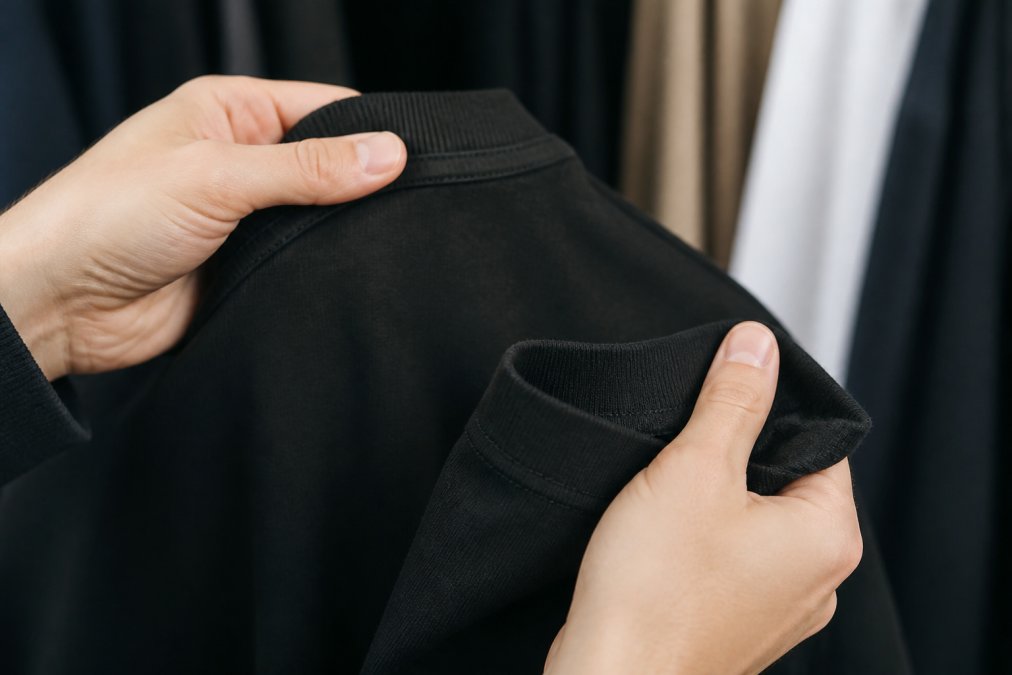
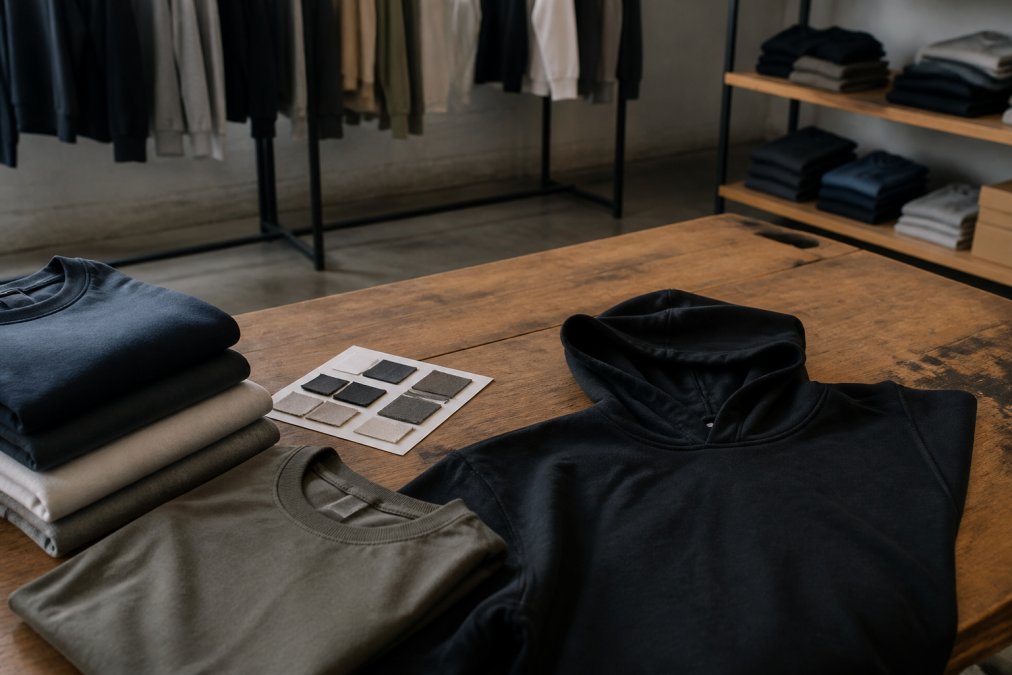
First, check the fabric weight. Look for 7 oz or heavier in a tee, and 12 oz or heavier in a hoodie. The best hoodies use 16.5 oz / 560 GSM three-end French terry. A heavyweight fabric prevents the garment from becoming see-through and maintains its structure.
Next, examine the print. DTG prints are soft but can fade; screen printing is durable but can crack. High-quality pieces often use DTF (direct-to-film) for a bold, flexible graphic. The real test is the care label: if it says "machine wash cold, inside out, hang dry," the brand is honest about print longevity.
Ethical Manufacturing and Sustainable Fashion
The mental health space has a problem with performative activism, and that extends to manufacturing. A brand selling "resilience" tees mass-produced in unethical conditions is a contradiction. Look for transparency about sourcing: Are they cut and sewn in a facility with known labor standards? Is the cotton organic or blended with recycled poly?
Sustainable fashion here means the brand thinks about the product's entire lifecycle. A premium piece that lasts five years is inherently more sustainable than a fast-fashion tee you replace every season.
Conversation Starters vs Fashion Statements: The Performative Activism Critique
Here's the uncomfortable question: is wearing a mental health tee genuine advocacy or just a fashion statement? The critique of performative activism is valid. Buying a shirt is easy; doing the work of recovery is hard. A slogan tee can feel like a shortcut to signaling virtue without substance.
But the critique needs nuance. The line between genuine advocacy and commodification isn't drawn at purchase, it's drawn at ongoing behavior. Consider three modes of wearing mental health messaging:
1. The Personal Anchor. This wearer buys a piece to mark a milestone, six months sober, a completed therapy cycle, a new chapter after loss. The shirt functions as a private commitment device that happens to be public. The message is for the wearer first; the conversation is secondary.
2. The Community Beacon. This wearer intentionally uses the garment to signal safety and solidarity. For someone struggling silently, seeing a stranger in a "You Are Not Alone" tee can be the nudge toward a conversation or seeking help. The shirt is a low-stakes invitation, it lowers the activation energy for someone else to speak first.
3. The Aesthetic Consumer. This wearer buys the tee because the design is striking or the brand is trendy, with little attachment to the message. This is where the critique lands hardest. The garment becomes a prop, a way to signal values without bearing their cost. The tell is behavior: does the person engage when asked, or deflect?
The uncomfortable truth is that most of us cycle through all three modes depending on the day. A shirt bought as a personal anchor can become an aesthetic prop after the milestone fades. The garment isn't pure or impure, it's a tool, and the user's intent determines its function.
What separates meaningful advocacy apparel from empty merchandise is whether the brand understands this complexity.
The key is intent, both the wearer's and the brand's. Are you wearing the message to start a dialogue about stigma reduction, or because it looks cool? For many in recovery, the shirt is a personal reminder before a public declaration, a subtle design that whispers all day, reinforcing commitment to self-care and resilience.
The most honest position is that mental health apparel occupies a middle ground. It is not a substitute for therapy, medication, or community support. It is a wearable reminder, for the wearer and anyone who notices, that mental health struggles are common, survivable, and worthy of conversation.
How to Style Graphic Tees for Men Without Looking Sloppy
The boxy, dropped-shoulder cut that defines premium streetwear can look sloppy if you don't know how to style it. The rule is balance. If the tee is oversized, the rest of the outfit should be more fitted, pair it with straight-leg denim or tapered sweats, not baggy cargo pants.
How to style graphic tees for men starts with understanding proportions. A dropped shoulder creates a horizontal line that can make you look wider. To counter that, keep the length at your hip bone or slightly below.
Layering is your friend. An oversized tee under a structured jacket or open flannel adds dimension. For footwear, avoid bulky sneakers that add visual weight to the bottom half. A clean, low-profile sneaker or slim-silhouette boot works best.
What Premium Streetwear Brands for Men Get Right
Premium streetwear brands for men understand that fit is non-negotiable. They've moved past the baggy 90s silhouette into a structured boxy cut: wider through the chest with dropped shoulders, but with a clean hem at the right length. This creates a look that is relaxed but sharp.
They also invest in details you don't see at first glance: a wide ribbed collar that resists stretching, raglan sleeves for better movement, and single-needle topstitching at the neckline. A premium hoodie will have a roomy kangaroo pocket with 2x1 ribbing at the cuffs and waistband.
Finally, they prioritize a cohesive aesthetic. A premium brand doesn't just slap a slogan on a blank. The typography, graphic placement, and colorway all work together to create a piece that feels designed, not printed.
Which One Should You Pick? A Practical Decision Framework
So, which one belongs in your cart? The decision comes down to what you want the garment to do, and whether it will actually fit you. If you want a cheap, disposable shirt for the gym, a generic graphic tee is fine. If you want a garment that supports your mental well-being and lasts, you need mental health apparel built to a higher standard.
Here's what to check before you commit to a purchase:
1. Size Range and Grading. A brand that truly offers inclusive sizing doesn't just add a 2XL and call it done. Proper grading means proportions scale correctly, shoulders widen, sleeves lengthen, and hem drops proportionally as sizes increase. Look for brands that publish garment measurements (chest width, body length, sleeve length) rather than just letter sizes.
2. Fabric Stretch and Recovery. Heavier fabrics (7 oz and up) are more structured but have less give. If you're between sizes or prefer a less restrictive fit, look for a cotton blend with 2-5% spandex or elastane. Pure 100% cotton heavyweight tees won't stretch much, so sizing up may be necessary.
3. Cut and Silhouette. The boxy, dropped-shoulder cut can be flattering across a wide range of body types, but only if executed correctly. A true boxy cut should accommodate broader shoulders and a larger chest without pulling at the seams. Read reviews from people with similar body types to gauge actual fit.
4. Return and Exchange Policies. This is the practical test of a brand's commitment to accessibility. Free, no-hassle returns acknowledge that fit is subjective. Restocking fees or difficult returns signal they'd rather keep your money than ensure satisfaction.
5. Representation in Marketing. Look at the brand's website and social media. Do they show garments on a diverse range of body types, or only on one narrow type? Representation isn't just optics, it's a signal that the brand has designed for those bodies.
Here's how the two categories stack up across the dimensions that matter:
| Feature | Generic Graphic Tee | Mental Health Apparel (EVRMORE) |
|---|---|---|
| Fabric Weight | 4-5 oz, thin, prone to sag | 9 oz+ heavyweight, structured drape |
| Construction | Standard cut, basic collar | Boxy streetwear cut, dropped shoulders, ribbed collar |
| Print Method | Basic screen print, cracks easily | Premium DTF print, flexible and durable |
| Purpose | Fashion statement | Conversation starter + personal affirmation |
| Longevity | Months | Years |
| Ethics | Often opaque sourcing | Transparent, ethical manufacturing |
| Size Range | Often XS-2XL, inconsistent grading | XS-3XL |
| Price Point | Low | Premium ($45 tee, $90 hoodie) |
For most people in recovery or navigating a major life transition, the investment in a premium piece is worth it, provided the piece fits. A $45 tee from EVRMORE, like the [Built Stronger(/products/built-stronger-what-broke-me-tee) Tee | evrmorebrand.com], is built from 9 oz ring-spun cotton with a boxy fit that looks intentional. The "Never Looking Back" tee serves as a daily reminder of your commitment to move forward. These aren't just shirts; they're tools for your recovery journey.
The one drawback is the price. You can buy three generic tees for the cost of one premium piece, but you'll replace those three within a year. The premium tee will still be holding its shape and its message.
Frequently Asked Questions
Are mental health shirts effective for raising awareness?
Mental health apparel works when it starts conversations. A bold message like "Built Stronger" invites questions from strangers, which normalizes discussions about recovery and resilience. That said, effectiveness depends on the wearer's comfort level. Subtle designs with small chest graphics or symbolic artwork communicate to those who recognize the meaning without forcing a public declaration. The psychological effect on the wearer matters too. Research on enclothed cognition suggests clothing with meaningful messages can reinforce personal identity and commitment to recovery goals.
What is the difference between premium streetwear and generic graphic tees?
The differences come down to construction and intent. Generic graphic tees typically use lightweight 4-5 oz cotton with screen-printed designs that crack and fade within months. Premium streetwear brands like EVRMORE use 9 oz ring-spun cotton or 16.5 oz French terry, with DTF prints that survive repeated washing. Generic tees prioritize trend-driven designs printed on the cheapest available blanks. Premium brands engineer the garment first, then apply messaging. You feel the difference in fabric weight, collar structure, and how the piece drapes on your body.
Is mental health apparel considered sustainable fashion?
It depends on the brand. Fast-fashion mental health tees contradict their own message by using cheap materials that end up in landfills after a few washes. Quality mental health apparel aligns with sustainable fashion principles through heavyweight construction that lasts years, not months. When comparing options, check fabric weight and whether the brand publishes its manufacturing practices. A $45 tee that lasts five years is more sustainable than a $15 tee you replace every season.
Are graphic tees out of style in 2026?
No, but the style has shifted. Oversized, boxy graphic tees with dropped shoulders dominate streetwear in 2026, replacing the slim-fit band tees of the 2010s. The key difference is intentionality. Generic all-over prints feel dated, while minimal front graphics with detailed back designs read as premium. Pairing a heavyweight graphic tee with straight-leg denim or relaxed trousers creates a current look. The trend now favors fewer, higher-quality statement pieces over a drawer full of disposable graphic tees that lose shape after one wash.
How do I know if a brand is genuinely supporting mental health or just capitalizing on the trend?
Look for three signals. First, the quality of the product itself. Brands that invest in heavyweight fabric and durable printing are building for the long term. Second, the specificity of the messaging. Generic phrases like "Stay Strong" lack the authenticity of personal narratives like "What Broke Me Built Me Stronger." Third, brand transparency. Companies that share their founding story and customer reviews demonstrate accountability.

Leave a comment
This site is protected by hCaptcha and the hCaptcha Privacy Policy and Terms of Service apply.