

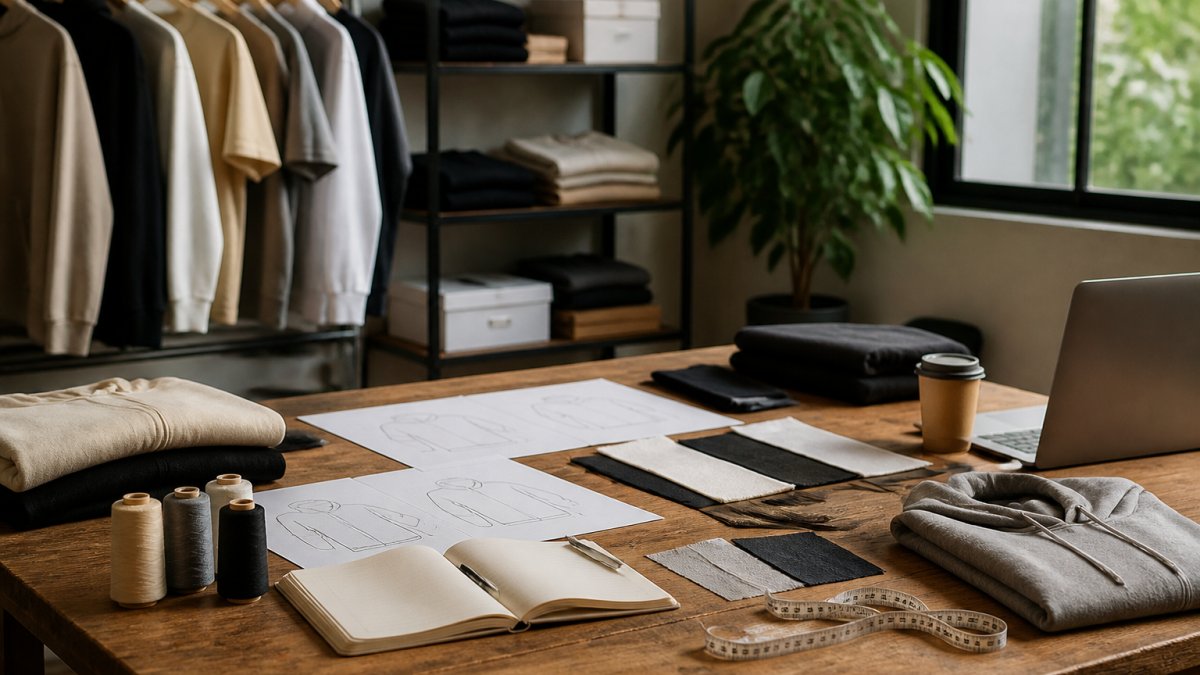
How to Start a Sober Apparel Brand: A Step-by-Step Guide
Table of Contents
- Define Your Brand Concept and Recovery Mission
- Research Your Target Audience and Market Validation
- How to Start a Clothing Brand with Your Sober Message
- Choose Between Print-on-Demand and Inventory Models
- Build Your Clothing Brand Business Plan
- What Sets Sober Clothing Brands Apart
- Launch and Market Your Sober Apparel Brand
- Frequently Asked Questions
Last Updated: October 10, 2026
Define Your Brand Concept and Recovery Mission
Learning how to start a sober apparel brand begins with clarity about your core message. Your mission becomes the foundation for every design decision, every product choice, and every marketing message you'll create.
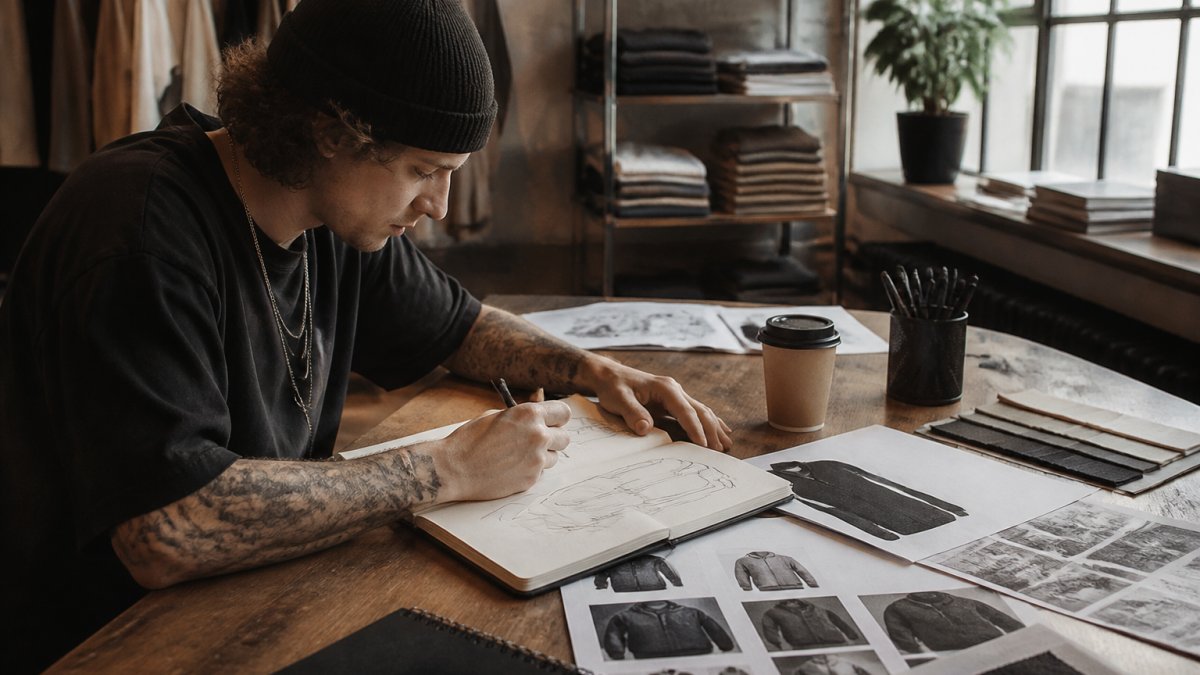
Your recovery mission is your north star, the reason someone buys your clothing instead of a competitor's. The person wearing it isn't just buying a shirt; they're wearing a statement about their refusal to stay in their old story.
Consider what makes your perspective unique:
- Are you speaking to early recovery, or to people further along?
- Do you focus on sobriety specifically, or broader resilience themes?
- What visual aesthetic matches your message, minimalist, bold, refined?
- What tone feels authentic to you, inspirational, raw, defiant, hopeful?
Research Your Target Audience and Market Validation
Before you design a single shirt, you need to know who you're designing for. Market validation means talking to actual people in the recovery community and understanding what they need from apparel.
Identify your core audience: early recovery, long-term sobriety, or broader resilience themes. Different audiences have different needs, price points, and messaging that resonates.
Concrete Research Methods for Sober Apparel
1. Recovery Community Interviews (Most Valuable) Conduct 15-25 one-on-one conversations with people in recovery via Reddit, Facebook recovery groups, and in-person meetings. Ask what recovery means to them, whether they've bought sober apparel before, what price feels fair, and whether they prefer subtle or bold messaging. Record patterns: if 8 out of 20 mention wanting something professional for the office, that's a design constraint.

2. Survey Validation (Broader Signal) Create a short survey (5-8 questions) on Google Forms or Typeform asking about preferred apparel types, price willingness, message preference, and design aesthetic. Aim for 50-100 responses to back design and pricing decisions.
3. Small Product Drop Testing Validate demand with a limited print-on-demand release of 2-3 designs for 2-4 weeks. Track which designs sell fastest, which price points convert, and customer feedback. 30+ sales in a month signals scale; 3 sales signals pivot.
4. Community Partnership Validation Partner with recovery organizations or peer support groups, offering to donate a percentage of sales or provide free apparel for fundraisers. This validates community trust and generates authentic testimonials.
What to Listen For (Beyond What People Say)
Pay attention to unspoken concerns: questions about return policy signal fit worries; questions about brand longevity reveal past disappointments; questions about your recovery story test authenticity. These reveal real barriers to purchase.
Red Flags That Your Concept Needs Rework
- Fewer than 5 people out of 20 can articulate why they'd buy from you versus a generic apparel brand
- People consistently mention concerns about quality, fit, or durability
- Your target audience doesn't exist in the numbers you assumed (e.g., you thought there was demand for recovery apparel for people 60+, but you can't find them)
- Recovery community members express skepticism about your authenticity or worry you're exploiting recovery
- Price feedback consistently comes in 30-40% lower than your production costs allow
Validation Checklist Before You Move Forward
- Conducted at least 15 interviews with people in your target recovery audience
- Heard the same 3-5 core needs or desires repeated independently by multiple people
- Tested a small product drop and achieved at least 15-20 sales from your research audience
- Received positive feedback on quality, fit, and messaging from at least 80% of early buyers
- Identified at least one recovery organization or community leader willing to endorse or partner with your brand
- Confirmed that your target audience size is large enough to sustain a business (at least 500-1000 potential customers in your niche)
How to Start a Clothing Brand with Your Sober Message
Step 1: Define Your Design Language
Pick a design aesthetic, bold, minimalist, streetwear, or refined, and commit to it. Consider whether your message works standalone, whether it's appropriate for recovery meetings or professional settings, and whether it feels timeless. The Never Looking Back Unisex Graphic Tee combines bold messaging with refined aesthetics, making it wearable in multiple contexts.
Step 2: Choose Your Apparel Products
Start with 2-4 core items. Graphic tees are affordable and easy to test; hoodies command higher price points; hats and accessories have lower costs. Invest in heavyweight fabrics to signal quality.
Step 3: Select Garment Quality and Materials
Recovery customers invest in quality and notice when apparel falls apart. Use premium heavyweight fabric (12 oz cotton minimum), reinforced seams, durable prints, and fit that works across body types. [The Built Stronger Tee in Black uses heavyweight V5 fabric with DTF printing](/products/built-stronger-v5-tee-black), creating a piece that lasts for years.

Choose Between Print-on-Demand and Inventory Models
This decision shapes your entire business. Print-on-demand means you produce items only when someone orders them. Inventory means you buy in bulk upfront. Each model has real trade-offs, and the right choice depends on your capital, risk tolerance, and validated demand.
Print-on-Demand: Low Risk, Lower Margins
With print-on-demand, setup costs $0-$200; per-unit production runs $6-$12 for tees, $15-$25 for hoodies. If you sell a tee for $35 with $8 production cost, you net ~$24 per unit after fees. This works well for testing with zero inventory risk.
POD advantages: minimal upfront investment, no unsold inventory risk, easy design testing, quick pivots. Disadvantages: lower margins, quality depends on partner, 5-10 day delivery, limited customization. Use POD if you haven't validated demand, have limited capital, or expect fewer than 50 sales per month.
Inventory (Bulk Production): Higher Risk, Higher Margins
With inventory, you buy in bulk from a manufacturer (MOQ: 100-500 units). Per-unit costs: $3-$8 for tees, $8-$15 for hoodies at 200+ volumes. If you order 200 tees at $5 and sell for $35, you net ~$24.73 per unit after all costs. Upfront capital is much higher.
Inventory advantages: higher margins at scale, complete quality control, faster shipping, premium brand perception. Disadvantages: high upfront capital ($1,000-$5,000+), dead inventory risk, storage fees, longer cash cycles. Use inventory if you've validated demand (50+ POD sales/month), have capital, and expect 100+ monthly sales.
The Hybrid Approach: POD + Inventory
Many successful brands use both: launch with POD to test designs, identify top 2-3 designs after 2-3 months, order inventory for bestsellers while continuing POD for new designs, then gradually shift volume to inventory. This balances risk and upside.
Never Looking Back Unisex Graphic Tee – Black →
Decision Framework: Which Model Should You Choose?
Use this matrix to decide:
| Factor | Print-on-Demand | Inventory |
|---|---|---|
| Capital available | Under $1,000 | $2,000+ |
| Demand validated? | No | Yes |
| Time to launch | 2-4 weeks | 6-12 weeks |
| Design certainty | Low (testing) | High (proven) |
| Expected monthly sales | Under 50 | 100+ |
| Brand positioning | Accessible | Premium |
| Risk tolerance | Low | Higher |
POD-only costs $600 first-year (20-40 units/month). POD→inventory transition costs $2,500-$3,500. Inventory-first costs $3,500-$4,500. Most common mistake: ordering inventory too early. Start with POD, let the market validate designs, then scale inventory for winners.
Build Your Clothing Brand Business Plan
Understanding how to start a sober apparel brand means creating a business plan that forces you to think through the real numbers and timelines. You don't need a 50-page document. A clear one-page plan works.
Your plan should include:
Revenue Model: How will you make money? Direct sales? Wholesale? Subscriptions? Most sober apparel brands rely on direct-to-consumer sales through their own website.
Pricing Strategy: What will you charge? Factor in production costs, platform fees (Shopify, payment processing), marketing, and profit. A tee costing eight dollars to produce might sell for forty-five dollars. That leaves room for marketing, overhead, and profit.
Launch Timeline: When will you launch? What needs to happen first? Most brands can launch in 60-90 days.
Marketing Budget: How will people find you? Social media is free but requires time. Paid ads require money. Budget for both.
Funding: Will you bootstrap or seek investment? Most sober apparel brands bootstrap because the initial investment is manageable.
A realistic business plan acknowledges that you won't hit your projections. That's okay. The plan is a thinking tool, not a prediction. It helps you understand whether your idea is viable before you invest serious money.
What Sets Sober Clothing Brands Apart
The sober apparel market is growing because recovery is no longer hidden. The ones that succeed do something different.
Community connection separates lasting brands from passing trends. The strongest sober apparel brands build community around their message. They engage with customers. They listen to feedback. They create spaces where people feel seen.
Quality signals respect. When you invest in premium fabric, thoughtful design, and durable construction, you're saying: "I respect the person wearing this. I respect what they've been through." Cheap apparel sends the opposite message.
A clear point of view matters. Generic inspirational messaging doesn't work. Specific, honest messaging does. "Never Looking Back" works because it's a specific commitment. "Be Strong" is forgettable. Know what you stand for and say it clearly.
Launch and Market Your Sober Apparel Brand
Your launch is not a single day, it's a 30-day sprint where you build momentum. Start before you're ready. Perfection is the enemy of progress.
Week 1: Soft Launch
- Launch your website or shop
- Tell your close circle
- Ask for honest feedback
- Make quick adjustments
Week 2-3: Community Outreach
- Connect with recovery communities (online and in-person)
- Share your story authentically
- Ask people to share your brand
- Engage in conversations, don't just sell
Week 4: Paid Promotion
- Run small social media ads
- Target recovery-focused audiences
- Test messaging and visuals
- Double down on what works
Marketing a sober apparel brand works best when it's honest. Share your founder story. Show real customers wearing your pieces. Acknowledge the struggle. Celebrate the strength. People don't buy apparel; they buy belonging.
Social media is your primary marketing channel. Post consistently. Engage with your community. Share content that matters to your audience, not just promotional content. A content split works: valuable content, community engagement, direct promotion.
Partner with recovery influencers and community leaders. They have trust. When they recommend your brand, people listen. Start small, send a free piece to someone with genuine influence in your community.
Track what works. Which posts get engagement? Which products sell fastest? Which marketing messages resonate? Use that data to refine your approach. The brand that listens to its customers and adapts wins.
Starting a sober apparel brand is a real business opportunity. It requires genuine commitment to your audience and honest execution. If you're ready to build something authentic, EVRMORE's approach to premium streetwear, combining bold messaging with refined quality, shows what's possible when you respect both the message and the craft. Get started with EVRMORE and build apparel that reflects real resilience.
Frequently Asked Questions
How much does it cost to start a sober apparel brand?
Startup costs vary by model. Print-on-demand requires minimal upfront investment (under $500 for design and setup), while building inventory typically costs $2,000-$10,000+ depending on order quantities and fabric quality. A sober apparel brand using premium heavyweight tees like those priced at $45 wholesale will need to factor in production costs, branding, and marketing. Begin with a business plan that outlines your specific budget and expected margins.
Should I use print-on-demand or buy inventory for a new sober apparel brand?
Print-on-demand works best if you're testing designs and validating audience demand without inventory risk. You pay per item printed. Buying inventory upfront is better once you've proven demand and want better margins and control over quality. Many sober apparel brands start with print-on-demand, then transition to custom manufacturing after validating their market. Your business plan should evaluate both models based on your capital and risk tolerance.
How do I find a manufacturer for a sober apparel brand?
Search for domestic apparel manufacturers and screen for minimum order quantities, lead times, and fabric quality standards. Request samples to evaluate construction, fit, and durability. Look for manufacturers experienced with custom printing or embroidery for your message-driven designs. Verify they align with your brand values.
What makes a recovery-focused clothing brand stand out in the market?
Authentic mission, quality construction, and community trust are core differentiators for sober clothing brands. Avoid messaging that feels exploitative; instead, focus on genuine value and durability. Build a brand identity that reflects the resilience of your audience. Engage directly with the recovery community through honest storytelling and transparent business practices. Premium materials and thoughtful design, like the boxy streetwear cuts and heavyweight fabrics used by established sober brands, signal respect for your customers' journey.


Leave a comment
This site is protected by hCaptcha and the hCaptcha Privacy Policy and Terms of Service apply.