


Sobriety Milestone Gift Etiquette Guide
Table of Contents
- Understanding Sobriety Milestone Gift Etiquette
- How to Celebrate a Sobriety Anniversary Respectfully
- Sobriety Anniversary Gift Ideas That Honor the Journey
- What to Buy a Sober Person: Tailoring Gifts by Relationship
- Sobriety Anniversary Card Messages That Inspire
- What Not to Give: Avoiding Common Mistakes
- Non-Material Ways to Mark the Milestone
- Frequently Asked Questions
Last Updated: October 10, 2026
Understanding Sobriety Milestone Gift Etiquette
Celebrating a sobriety milestone is a meaningful way to honor someone's recovery journey, but the gesture requires thoughtfulness and respect. A sobriety milestone gift should acknowledge the person's strength and progress without overstepping boundaries or making them uncomfortable.
The challenge many people face is knowing whether a gift is appropriate at all, and if so, what kind of gesture truly honors the work someone has done. Recovery isn't just about abstinence; it's about rebuilding identity, reclaiming agency, and choosing a different life.
Why Gifts Matter in Recovery
Recognition matters in recovery. When someone reaches a sobriety anniversary, they've invested countless hours in meetings, therapy, personal reflection, and daily choices to stay on their path.
Gifts in recovery serve a different purpose than typical celebrations. They're not about the object itself; they're about the message.
That said, not every gift is welcome. Some people in early recovery feel vulnerable about their sobriety. Others worry that a gift might feel like pity or create pressure.
When a Gift Is Appropriate
Timing and relationship determine whether a gift is appropriate. Generally, gifts work best at milestone moments: 30 days, 90 days, 6 months, 1 year, and anniversaries beyond that.
Your relationship to the person matters too. Close family members, partners, and sponsors often give gifts at milestones.
The person's stage of recovery also influences appropriateness. Someone in their first 30 days might feel overwhelmed or uncomfortable with attention. Someone celebrating five years of sobriety typically welcomes acknowledgment.
How to Celebrate a Sobriety Anniversary Respectfully
Ask Before You Give
This is the most important rule. A simple conversation prevents missteps and shows respect for the person's autonomy and privacy.
Ask directly: "I'd like to do something to mark your sobriety anniversary.
If you're close enough to ask, you're close enough to hear the answer honestly. Don't be hurt if they say they'd rather not receive a gift.
If you can't ask directly (perhaps you're a coworker or acquaintance), keep the gift small, private, and low-pressure.
Respect Privacy and Boundaries
Not everyone wants their sobriety broadcast. Some people are open about their recovery; others keep it private. Before giving a gift, know where this person stands.
A public gift at work or a family gathering might embarrass someone who hasn't disclosed their recovery to everyone around them.
Similarly, avoid gifts that draw attention or require explanation. A recovery-focused apparel piece from EVRMORE, for example, works beautifully for someone who wants to wear their recovery proudly.
Language matters too.
Sobriety Anniversary Gift Ideas That Honor the Journey
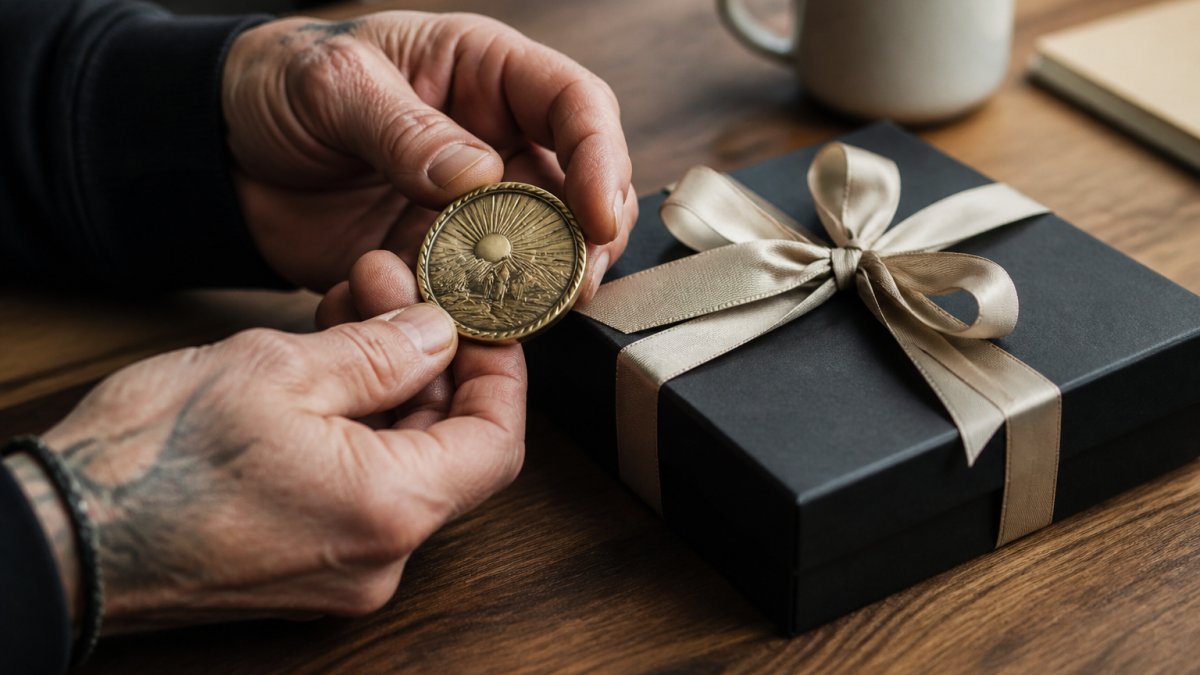
1. AA Medallions and Recovery Coins
AA medallions and recovery coins are the most traditional sobriety milestone gift. These tokens mark specific recovery milestones, 30 days, 90 days, six months, one year, and beyond.
If you're giving a medallion or coin, choose one that resonates with the person's values. Some feature spiritual imagery; others focus on recovery principles.
These gifts work best when the person is actively involved in AA or a recovery program that uses them. If they're not, ask first or choose a different option.
2. Recovery-Centered Jewelry and Keepsakes
Recovery jewelry, bracelets, rings, necklaces, serves as a wearable reminder of strength and commitment. These pieces are visible daily, making them powerful touchstones during difficult moments.
Look for jewelry that feels authentic to the person's style. Some prefer bold, statement pieces; others want something subtle they can wear under clothing.
Keepsakes like small boxes, stones, or figurines work similarly.
3. Meaningful Apparel and Wearable Reminders
Wearable reminders like recovery-focused apparel create daily affirmations. EVRMORE's premium heavyweight tees, like the Built Stronger Tee in Black, combine durable construction with bold messaging that speaks to resilience and transformation. The Built Stronger design works for anyone celebrating recovery because it acknowledges that what tried to break them became part of what built them, a universal recovery truth.


For someone who wants to wear their recovery openly, a quality tee or hoodie becomes part of their identity and daily practice. For someone in earlier recovery or preferring subtlety, the Slate colorway offers the same message in a more understated tone.
The key is choosing apparel that feels authentic to the person's style and comfort level with visibility. Quality matters, EVRMORE's heavyweight construction ensures these pieces last through years of wear, making them a lasting reminder of the milestone.
4. Books and Recovery-Focused Reading
Books about recovery, memoirs from people in recovery, or even self-help titles tailored to their interests provide both comfort and guidance.
Choose books that align with the person's interests and recovery approach. Someone in AA might appreciate recovery-specific literature. Someone working through therapy might value books on healing or personal growth.
The book itself is secondary to the message: "I see your journey, and I want to support your continued growth."
Built Stronger Tee | Vintage Pearl →
5. Journals and Reflection Tools
Journaling is a core recovery practice for many people. A beautiful journal becomes a container for reflection, gratitude, and processing. Pair it with a quality pen and perhaps a bookmark or writing prompt cards.
Journals work especially well for people who are introspective or who have mentioned journaling as part of their practice. The gift honors their process and shows you understand their recovery work.
6. Practical Gifts for Sober Living
Practical gifts acknowledge that recovery involves building new routines and self-care practices. Consider items that support wellness: a quality water bottle, a meditation cushion, tea or coffee they love, a candle for creating calm space, or workout gear.
These gifts say, "I see you building a life you love, and I want to support that." They're less about the milestone and more about the ongoing practice of recovery, which is meaningful in a different way.
What to Buy a Sober Person: Tailoring Gifts by Relationship
Gifts for a Spouse or Partner
Your role is closest, which means you can go deeper. Consider gifts that acknowledge both the person's recovery and your shared life.
The most powerful gift might be your presence and continued support. A card expressing what their recovery means to your relationship, or planning a special evening together, can be more meaningful than any object.
Gifts for a Family Member
Family dynamics around recovery can be complex. A gift from a parent, sibling, or extended family member should feel supportive without being overbearing. A meaningful card, a small keepsake, or a recovery-focused apparel piece from EVRMORE works well because it's tangible but not intrusive.
Avoid gifts that feel like you're trying to "fix" them or make up for past hurt. A sobriety milestone gift from family should celebrate their present strength, not apologize for the past.
Gifts for a Friend or Sponsor
Friends and sponsors occupy a unique role. A sponsor's gift carries special weight, it acknowledges the specific work they've done together. A meaningful card, a recovery coin if the person uses them, or a quality apparel piece all work.
For friends, keep the gift proportional to your relationship. A small, thoughtful gift shows you care without creating awkwardness. A recovery-focused tee can work beautifully here because it's a conversation piece that celebrates their journey without being too intimate.
Sobriety Anniversary Card Messages That Inspire
The message matters as much as the gift. A genuine card can be more powerful than any object.
Messages for Early Recovery
Early recovery is vulnerable. Messages should be encouraging without being patronizing.
Try these approaches:
- "I see the work you're doing, and it's inspiring."
- "Every day you choose yourself is a victory. I'm rooting for you."
- "Your courage is real. Keep going."
- "I'm honored to witness your recovery."
Avoid: "I'm so proud of you" (centers your feelings), "You're finally getting your life together" (implies past judgment), "This is just the beginning" (minimizes the difficulty of what they've already done).
Messages for Long-Term Sobriety
Long-term recovery deserves recognition of the depth of that commitment.
Try these approaches:
- "Years of daily choice. That's extraordinary."
- "Your recovery has changed not just your life, but everyone around you."
- "Thank you for showing what's possible."
- "Your strength has always been there. I'm grateful you found it."
Avoid: Generic celebration language that could apply to any achievement. Long-term recovery is specific and profound, your message should reflect that.
What Not to Give: Avoiding Common Mistakes
Avoid gifts that could trigger or undermine recovery. Never give alcohol-related items, even as a joke.
Also avoid gifts that feel transactional or like you're trying to earn forgiveness for past hurt. Recovery isn't about erasing the past; it's about moving forward.
Don't give expensive gifts unless you're very close, it can create obligation or discomfort. A thoughtful, moderately priced gift lands better than something extravagant.
Non-Material Ways to Mark the Milestone
Sometimes the most meaningful celebration isn't a gift at all. Consider these alternatives:
- Time together: Plan a meal, a walk, or an activity the person enjoys.
- A genuine conversation: Ask about their recovery journey and listen deeply.
- Public acknowledgment (if they're comfortable): Mention their milestone in a family gathering or group setting.
- A letter: Write out what their recovery means to you and how they've inspired you.
- Showing up: Simply being present and consistent in their life is the ultimate gift.
These gestures often matter more than any object because they communicate that you see them, you respect their work, and you're committed to supporting them.
Celebrating a sobriety milestone is an act of witnessing someone's courage and commitment. The right gift, whether it's a recovery coin, a meaningful piece of apparel like EVRMORE's Built Stronger Tee, or simply your presence, communicates that their recovery matters and that they're not alone.

| Milestone | Appropriate Gift Types | Presentation |
|---|---|---|
| 30 days | Card, small keepsake, recovery coin | Private, one-on-one |
| 90 days | Recovery jewelry, meaningful apparel, book | Private or small gathering |
| 6 months | Keepsake, recovery-focused gift, experience | Private or intimate group |
| 1 year | Premium apparel, jewelry, meaningful experience | Can be more public if person is comfortable |
| 5+ years | Acknowledgment of depth, significant keepsake | Tailored to person's preference |
Frequently Asked Questions
Is it appropriate to give a sobriety milestone gift?
Yes, when done thoughtfully. A sobriety milestone gift acknowledges real achievement and shows support for the recovery journey. The key is asking first whether the person wants recognition, respecting their privacy preferences, and choosing something meaningful rather than performative. Some people in recovery celebrate privately; others welcome acknowledgment. Always defer to their comfort level.
What should you avoid giving someone in recovery?
Avoid anything alcohol-related, even as a joke or 'ironic' gift. Skip items that trivialize recovery or make light of addiction. Don't give gifts that feel like pity or suggest doubt in their commitment. Avoid overly public gestures if the person values privacy. Also skip gifts tied to old social habits or triggers. Instead, focus on practical, meaningful items that support their sober living and celebrate genuine progress.
How do you ask someone if they want a sobriety anniversary gift?
Keep it simple and low-pressure: 'I'd like to acknowledge your sobriety anniversary. Would a gift feel right to you, or would you prefer something else?' This respects their autonomy and gives them an easy out. If they say yes, ask about preferences or boundaries. If they decline, honor that without making it awkward. The conversation itself shows respect for their recovery journey.
How do you celebrate a sobriety anniversary without making it awkward?
Keep the tone genuine and low-key. Acknowledge the milestone privately if the person prefers it, or celebrate publicly only if they've indicated comfort with that. Focus on their strength and progress rather than what they've overcome. A handwritten card, a meaningful conversation, or a small, thoughtful gift often feels more authentic than a big production. Let them set the pace and comfort level for how the milestone is marked.
What's the difference between a sobriety anniversary and other recovery milestones?
A sobriety anniversary marks the specific date someone stopped using alcohol or drugs. Other recovery milestones might include completing a treatment program, reaching 30 days sober, or achieving emotional stability in recovery. Each milestone deserves acknowledgment. Sobriety anniversaries are annual celebrations that often grow more meaningful over time, while other milestones may be one-time achievements. Both represent real progress in the recovery journey.



Leave a comment
This site is protected by hCaptcha and the hCaptcha Privacy Policy and Terms of Service apply.