

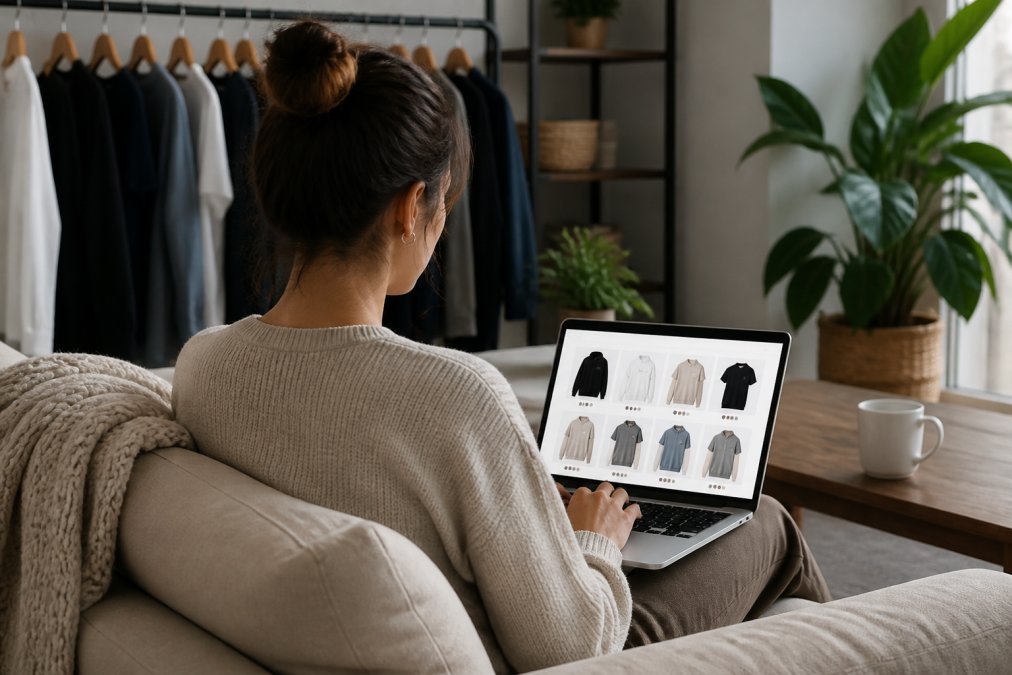
How to Buy Recovery Themed Clothing Online
Table of Contents
- Why What You Wear Matters in Sobriety
- What to Look For in Recovery Themed Clothing
- Choosing Between Bold Messages and Subtle Designs
- How Resilient Clothing for Personal Growth Differs from Fast Fashion
- Comparing the Best Sober Clothing Brands on Quality
- Gift-Giving Etiquette for Early Recovery Apparel
- Making Your Final Choice and Ordering with Confidence
- Frequently Asked Questions
Last Updated: September 7, 2026
Buying recovery themed clothing online is more than picking a shirt with a slogan you like. It is about finding a piece that honestly reflects a journey you have worked hard to survive, and that will still hold up after years of wear.
At EVRMORE, we build premium streetwear for people who have overcome adversity and refuse to look back. This guide walks you through fabric construction, fit, messaging, and brand ethics so you can order with confidence.
Why What You Wear Matters in Sobriety
Clothing is a form of personal expression that works without saying a word. For anyone in addiction recovery, wearing your sobriety milestones on your chest can serve as a daily affirmation of resilience and a signal to others in the sober community that they are not alone.
A shirt that says "Built Stronger" is not just fabric; it is a declaration of your sober identity and a reminder of the strength required to maintain a sober lifestyle. Many people find that this visible commitment strengthens their resolve, especially during difficult days.
This is why the quality of the garment matters as much as the message. A cheaply made piece that falls apart feels like a metaphor you did not ask for. Investing in apparel that is as resilient as you are reinforces the recovery pride you are trying to cultivate.
What to Look For in Recovery Themed Clothing
Quality recovery themed clothing comes down to three non-negotiable factors: fabric weight, print durability, and construction. If a brand cuts corners on any of these, the piece will not survive repeated washing and wearing.
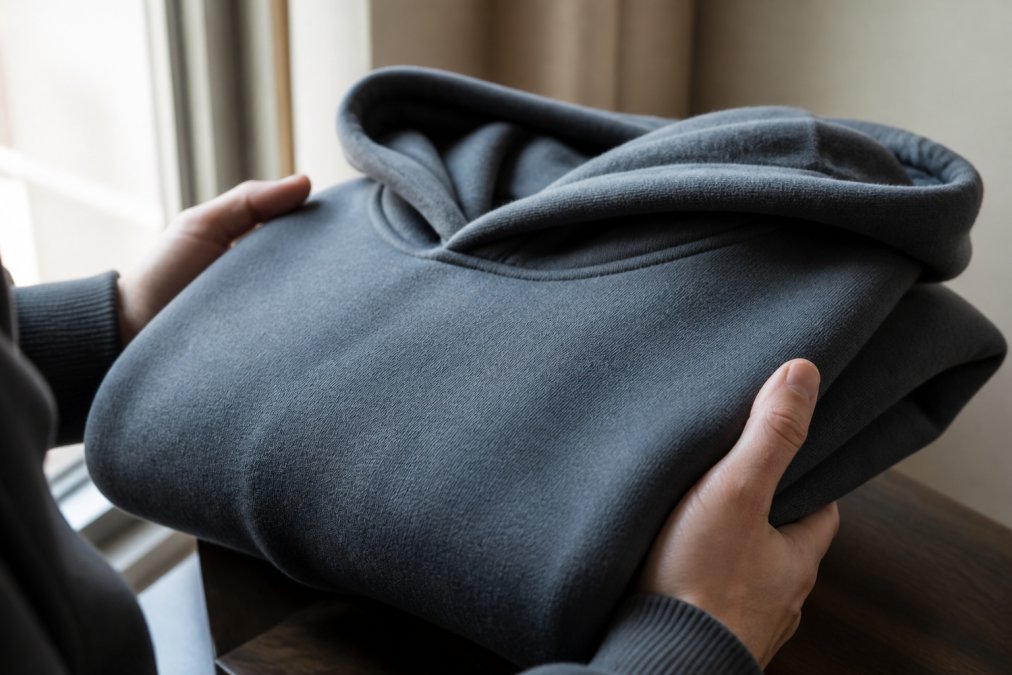
Start by checking the fabric weight, usually listed in ounces per square yard. Standard t-shirts often sit around 5 to 6 ounces, which can feel thin and flimsy (fabriclink.com). Premium heavyweight options typically start at 8 ounces. This thicker material drapes better, holds its shape, and does not become see-through or misshapen over time.
Fabric Weight and Construction
Heavyweight fabric is the foundation of any durable garment. A 9 oz ring-spun cotton blend offers a thick, structured feel that survives frequent wear. For hoodies, look for French terry or fleece in the 12 to 16.5 oz range.
Construction details matter just as much. Check for reinforced stitching at the seams, a wide ribbed collar that resists stretching, and raglan sleeves that allow better movement. These details separate resilient clothing for personal growth from fast fashion.
Fit and Sizing for Streetwear Cuts
Streetwear fits differ significantly from standard apparel sizing. A boxy cut with dropped shoulders creates a relaxed silhouette, but it requires careful attention to your measurements. Always check the brand's size chart and compare it against a similar garment you already own.
Measure your chest at the widest point and your shoulder width to ensure the dropped shoulder look lands correctly. If you are between sizes, consider how you plan to wear the piece. A looser fit works for layering over hoodies, while a true-to-size fit looks cleaner when worn alone. Many brands design their pieces with a unisex oversized fit, so checking the specific garment measurements is essential.
Choosing Between Bold Messages and Subtle Designs
The choice between a loud declaration and a quiet symbol is not just about personality, it is about the contexts you navigate daily. A piece that feels empowering at a recovery meeting might feel overwhelming in a professional setting or a family gathering. The most versatile recovery wardrobes include both, but if you are buying your first piece, consider where you will actually wear it.
Styling Bold Messages for Different Settings
A bold message like "Never Looking Back" is a powerful statement, but it can dominate an outfit. To integrate it into a professional or social wardrobe, treat it as the focal point. Pair a bold graphic tee with a structured blazer or an open, heavyweight flannel shirt. For a casual setting, the same tee works with dark, straight-leg denim or cargo pants.
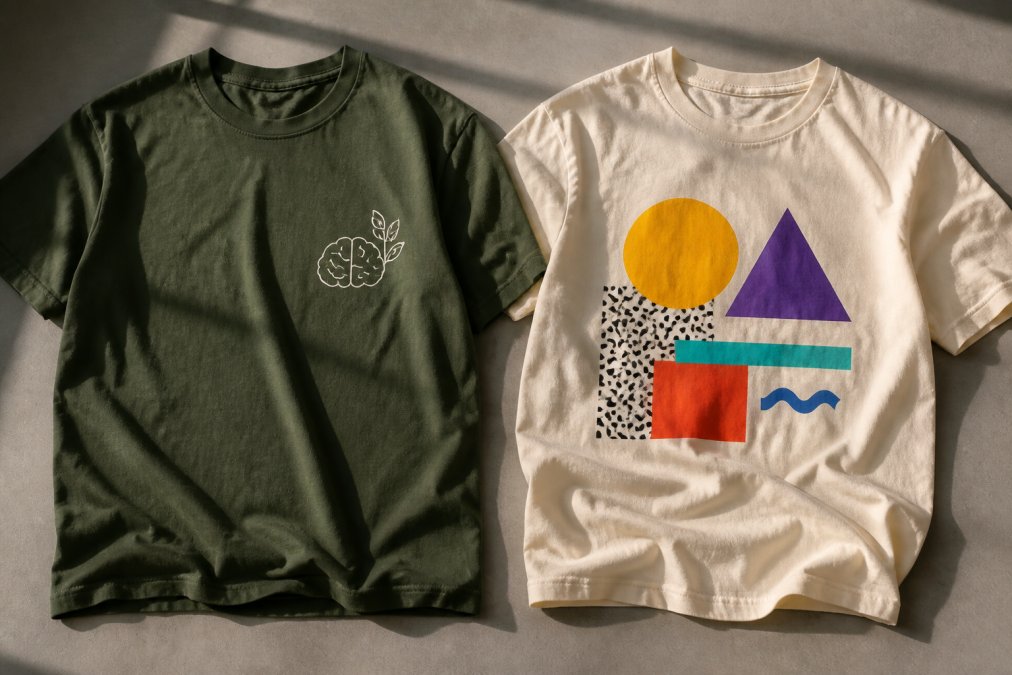
The physical placement of the message matters as much as the words. A large chest print is the most visible and is best for settings where you are actively seeking connection. A design placed on the back or as a small left-chest logo allows you to stand in line at a coffee shop or sit in a meeting without the message being the first thing people see. This is a strategic choice for those who want to signal solidarity to those in the know without inviting unsolicited questions.
The Role of Color and Typography in Subtle Messaging
Subtle designs rely heavily on color and typography to convey their meaning. A tonal print, where the graphic is the same color as the fabric but slightly raised or textured, is the most discreet option. It is visible up close but reads as a clean, unbranded garment from a distance.
Typography also changes the tone of a message. A bold, sans-serif block font feels assertive and modern. A serif typeface, like the one used on the What Broke Me Heavyweight Hoodie, feels more literary and reflective. Script fonts can feel personal, but they often sacrifice legibility. When choosing a subtle piece, look for a design where the typeface aligns with the feeling you want to project.

Matching the Message to the Milestone
Your stage in recovery should guide the intensity of the message. For someone celebrating a 30-day milestone, a subtle piece that focuses on the present, like a simple wordmark of "Stronger", might feel more authentic than a claim of being "Unstoppable." For someone marking multiple years of sobriety, a bolder statement of permanence, such as a broken-chain graphic, can feel earned and empowering.
There is no wrong choice, but there is a strategic one. Consider the message as a tool for your own reinforcement. If you are having a hard day, a bold reminder on your chest can be a source of strength. If you want to blend in and focus on internal work, a subtle design serves that purpose better. The best collections offer both, recognizing that your need for visibility will ebb and flow.
How Resilient Clothing for Personal Growth Differs from Fast Fashion
Fast fashion operates on a cycle of disposability, producing cheap garments designed to be replaced within months. Resilient clothing for personal growth inverts that logic entirely. It is built to last because it represents something permanent: the work you have done to rebuild yourself.
The difference shows in the materials. Fast fashion relies on thin blends that shrink and warp. Purpose-built recovery apparel uses heavyweight cotton and reinforced seams to withstand years of washing. Print quality is another divider. Low-quality heat transfers crack and peel, while properly cured screen prints maintain their integrity.
There is also a philosophical difference. Fast fashion is trend-driven and forgettable. Recovery apparel is identity-driven and intentional. When you buy a piece that declares your sobriety, you are investing in a symbol of your transformation. That garment should be made with the same care and permanence as the commitment it represents.
Comparing the Best Sober Clothing Brands on Quality
When evaluating the best sober clothing brands, the criteria should mirror what you would apply to any premium apparel purchase. Fabric weight, print quality, ethical production, and brand authenticity all factor into whether a piece is worth its price. But there is a fifth criterion that deserves equal weight: the ethics of the supply chain. Connecting your personal wellness to the wellness of the planet and the people who make your clothes creates a more holistic purchase decision.
The Ethical Sourcing Gap in Recovery Fashion
Most recovery-themed brands are small operations, often started by individuals in recovery themselves. This is a strength, as the authenticity of the mission is usually genuine. However, small size also means less transparency. A brand can have a powerful story on its website while still sourcing blanks from overseas factories with opaque labor practices. Before you buy, look for specific language about where the garment is cut and sewn. A brand that says "made in Los Angeles" or "cut and sewn in the USA" is making a verifiable claim. A brand that only says "ethically made" without specifics is asking you to trust a vague promise.
For those who want to dig deeper, check for certifications. The Global Organic Textile Standard (GOTS) certifies organic cotton from harvest to finished product, ensuring both environmental and social criteria are met (global-standard.org). Fair Trade Certified factories guarantee a minimum wage and safe working conditions (fairtradecertified.org). A recovery brand that carries them is demonstrating that its commitment to doing good extends beyond the message on the chest.
The Material Connection: Cotton, Blends, and the Planet
Heavyweight cotton is the standard for premium recovery apparel, but not all cotton is equal. Conventional cotton farming is water-intensive and relies heavily on pesticides. Organic cotton uses significantly less water and eliminates synthetic pesticides, making it a more sustainable choice. Some brands are now using recycled cotton or blends that incorporate hemp, which grows quickly and requires minimal water. These materials often produce a more durable, breathable fabric that ages well.
A 9 oz ring-spun cotton tee is a quality benchmark, but ask where that cotton was grown. A brand using organic, ring-spun cotton is making a double investment: in your comfort and in the environmental health of the communities where the cotton is grown. The garment you wear to symbolize your new life should not contribute to the degradation of someone else's.
A Framework for Comparing Brands Beyond the Price Tag
| Brand | Fabric Weight | Fit | Price Point | Sourcing Transparency | Best For |
|---|---|---|---|---|---|
| EVRMORE | 9 oz tee / 16.5 oz hoodie | Boxy, dropped shoulder | $45-$90 | Made in Los Angeles; premium heavyweight construction | Durable daily wear with bold messaging |
| Small recovery brands | Varies (5-9 oz) | Standard to relaxed | $25-$60 | Often vague; check for specific country of origin | Supporting founder-led missions |
| Fast fashion | Thin, blended | Slim | $15-$30 | Low; opaque supply chains | Trend-focused, not built to last |
This framework shifts the conversation from price alone to value. A $45 t-shirt from a brand that manufactures in Los Angeles with transparent labor practices carries a different weight than a $45 shirt from a brand that imports from an unnamed factory. The former supports the local economy and adheres to stricter labor and environmental regulations.
The Durability Math and the Sustainability Argument
The financial argument for premium construction is straightforward: a $90 hoodie that lasts five years costs $18 per year, while a $30 fast fashion hoodie that falls apart after six months costs $60 per year. The sustainability argument is even more compelling. The fashion industry is a major contributor to global waste, with millions of tons of clothing ending up in landfills annually. Every garment you buy that lasts a decade instead of a season is a direct reduction in that waste stream.
For a community built on the principle of renewal, this is not a side issue. Choosing a garment that is built to last is a daily practice of rejecting disposability. It mirrors the recovery journey itself: you are no longer discarding yourself every few months; you are investing in a version of yourself that is meant to endure. When you buy from a brand that shares that philosophy, through its materials, its manufacturing, and its message, you are not just buying a shirt. You are funding a system that values permanence over trends.
Gift-Giving Etiquette for Early Recovery Apparel
Buying recovery themed clothing as a gift requires more sensitivity than a typical apparel purchase. The recipient's stage in their recovery journey should dictate your choice, and their comfort with public messaging is paramount.
For someone in early recovery, a subtle design is almost always the safer choice. A bold statement piece can feel like unwanted attention or pressure to perform a level of confidence they do not yet feel. Instead, focus on the quality and comfort of the garment itself. A premium heavyweight hoodie in a neutral colorway like Slate or Black communicates support without demanding a public declaration.
Consider the message carefully. Phrases celebrating sobriety milestones are meaningful, but avoid language that assumes a specific spiritual or programmatic path unless you know the recipient's affiliation. Universal themes of strength, resilience, and new beginnings translate across different recovery approaches. When in doubt, include a handwritten note explaining the meaning behind the gift.
Making Your Final Choice and Ordering with Confidence
Before you hit add to cart, run through a final checklist. Verify the fabric weight matches your expectations for durability. Confirm the fit aligns with your measurements, accounting for the boxy streetwear cut if that is the brand's design. Review the return policy so you know your options if the garment does not work out.
Ordering online always carries some uncertainty, but you can mitigate the risk by choosing brands that are transparent about their production. EVRMORE clearly states its heavyweight fabric weights and cut specifications. Our garments are designed for those who have walked through the fire and come out stronger, and they are constructed to match that resilience.
Frequently Asked Questions
What should I look for when buying recovery apparel online?
Focus on fabric weight first. Look for at least 9 oz cotton or a 16.5 oz hoodie fleece, which holds its shape and lasts through repeated washing. Check the print method too: screen-printed graphics on heavyweight blanks resist cracking better than vinyl transfers. For recovery themed clothing, the message needs to survive as long as your journey does.
How do I know a sober clothing brand is authentic and not just capitalizing on the community?
Look for specifics in the brand's story and product details. A brand that names its fabric weight, cut, and design origins, like EVRMORE with its 16.5 oz Made in Los Angeles hoodies, shows investment in the product. Check for customer reviews and whether the brand has an established catalog. Authentic brands focus on durability and messaging that reflects real recovery values.
Are there recovery clothing options for someone early in sobriety who is not ready for a bold statement?
Yes. Many brands offer designs with messaging placed on the back or in smaller chest prints, keeping the front clean. Look for pieces where the meaning is personal rather than loud. The EVRMORE What Broke Me hoodie places 'Built Stronger' on the chest with the longer message across the back, letting you control how much you share.
What is the return policy if recovery apparel does not fit?
Check the brand's policy before ordering. Established brands offer standard returns within 30 days for unworn items. Since recovery themed clothing often uses boxy streetwear cuts with dropped shoulders, compare the size chart measurements against a hoodie you already own.
Buying recovery themed clothing online does not have to be a gamble. By focusing on fabric quality, understanding streetwear sizing, and choosing messaging that aligns with your journey, you can find pieces that serve as genuine markers of your progress. EVRMORE builds heavyweight tees and hoodies with premium construction and bold, meaningful graphics designed for everyday wear. When you are ready to wear your resilience, explore the collection and add a piece that honors how far you have come.

Leave a comment
This site is protected by hCaptcha and the hCaptcha Privacy Policy and Terms of Service apply.