

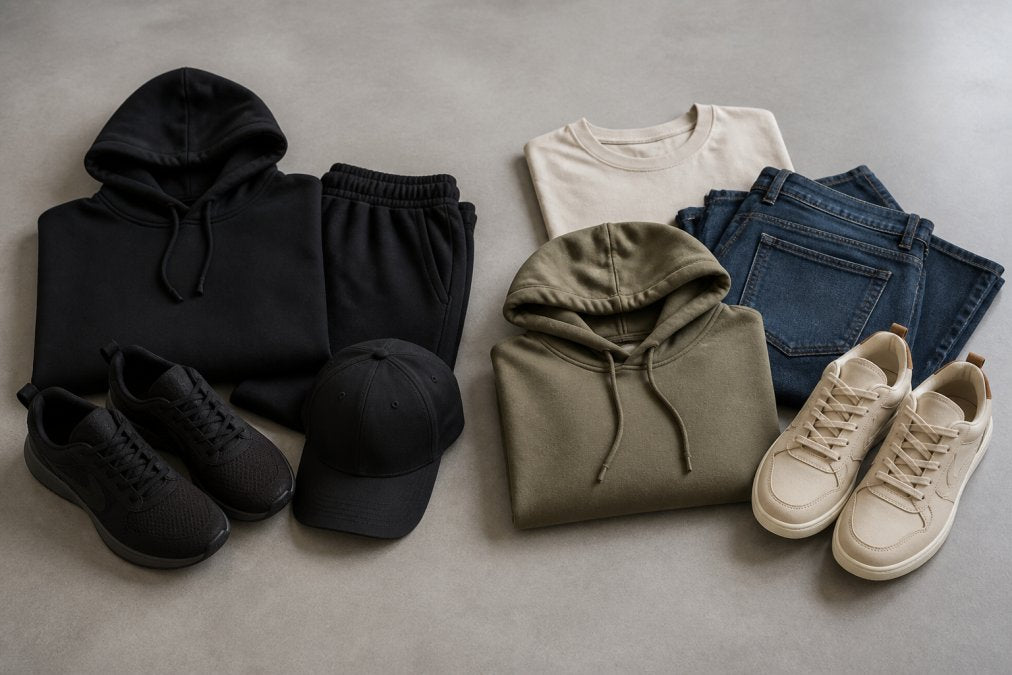
Sober vs Recovery Fashion: Key Differences
Table of Contents
- Defining Sobriety and Recovery in Fashion Context
- Key Differences Between Sober and Recovery Fashion
- The Role of Abstinence vs Long-Term Wellness in Apparel Messaging
- Resilient Clothing for Personal Growth and Transformation
- Meaningful Streetwear Brands: Beyond Surface-Level Messaging
- Addressing Root Causes Through Intentional Design
- Building Social and Relational Impact Through Your Wardrobe
- How to Choose the Right Statement for Your Stage
- Frequently Asked Questions
Last Updated: September 21, 2026
Defining Sobriety and Recovery in Fashion Context
Understanding sober vs recovery fashion runs deeper than labels or messaging. Sobriety in fashion often represents a starting point, clean, intentional, and deliberately stripped of excess. Recovery fashion, by contrast, tells a fuller story of transformation, healing, and sustained personal growth. Understanding this distinction matters because your wardrobe becomes a daily reminder of where you've been and where you're heading.
Sobriety, in the context of apparel, typically emphasizes abstinence and the immediate shift away from harmful patterns. A sober fashion approach focuses on simplicity, clarity, and the decision to stop. It's about removing the noise. Recovery fashion, on the other hand, embraces the ongoing process of rebuilding, addressing root causes, developing coping mechanisms, and establishing sustainable change through intentional design choices and meaningful messaging.
The semantic difference is crucial. Sobriety is often binary: you either are or aren't. Recovery is a spectrum. One is a moment; the other is a journey. When you wear apparel that reflects your stage, you're not just making a fashion choice, you're affirming your commitment to the work ahead.
Key Differences Between Sober and Recovery Fashion
The gap between sober and recovery fashion shows up most clearly in how each approach treats messaging and durability. Sober fashion tends toward minimalism and restraint. The graphics are often subtle, the color palettes muted, the statements understated. Recovery fashion embraces bold, unapologetic messaging paired with premium construction designed to last through the full arc of healing.
Consider the visual language. A sober-focused piece might feature a simple, clean aesthetic with minimal graphic presence, something you can wear without drawing attention if you're not ready to explain your story. The Built Stronger Tee in Slate exemplifies this approach: the black graphic on muted tone reads as understated from a distance, but carries clear meaning when examined closely. It's a quiet statement for those rebuilding without needing to explain.
Recovery fashion, by contrast, leans into visibility and permanence. The Built Stronger Tee in Black uses high contrast, white graphic on deep black, making the message impossible to miss. The intention is bold. The durability is engineered for longevity because recovery isn't a phase; it's a lifestyle shift. Premium heavyweight fabric, structured construction, and refined fit all signal that this apparel is built for everyday wear.

The emotional register differs too. Sober fashion often asks: "How do I move through the world without drawing attention to my struggle?" Recovery fashion asks: "How do I celebrate and reinforce the work I've done?" Both are valid. Both serve a purpose. The key is knowing which one matches your current stage.
The Role of Abstinence vs Long-Term Wellness in Apparel Messaging
Abstinence is the foundation. It's where most recovery stories begin, the decision to stop, to abstain, to remove the substance or behavior that caused harm. Apparel messaging that centers abstinence tends to be direct and resolute. It marks a line: before and after.
But abstinence alone isn't recovery. This is where many people get stuck. You can remove the substance while keeping all the underlying behaviors, trauma, and coping mechanisms intact. True recovery requires addressing root causes, building emotional regulation skills, developing new behavioral tools, and creating sustainable support systems.
This distinction shapes how recovery-focused apparel should function. A piece centered only on abstinence might feel hollow after the initial months of sobriety wear off. The real power comes from apparel that reinforces long-term wellness: pieces that celebrate personal growth, acknowledge the healing process, and remind you that recovery is about rebuilding your entire life, not just stopping one behavior.
The Never Looking Back Unisex Graphic Tee captures this shift perfectly. The broken-chain imagery marks liberation from what held you back, but the forward-facing message, "Forward Is The Only Direction", anchors you in the ongoing work of wellness. It's not just about what you're leaving behind; it's about where you're going. That's the difference between a sobriety statement and a recovery statement.

Resilient Clothing for Personal Growth and Transformation
Resilience is the through-line of recovery fashion. It's the quality that separates apparel designed for a moment from apparel designed for a life. Resilient clothing serves as a wearable reminder that you've already survived the hardest part, and you're strong enough to keep going.
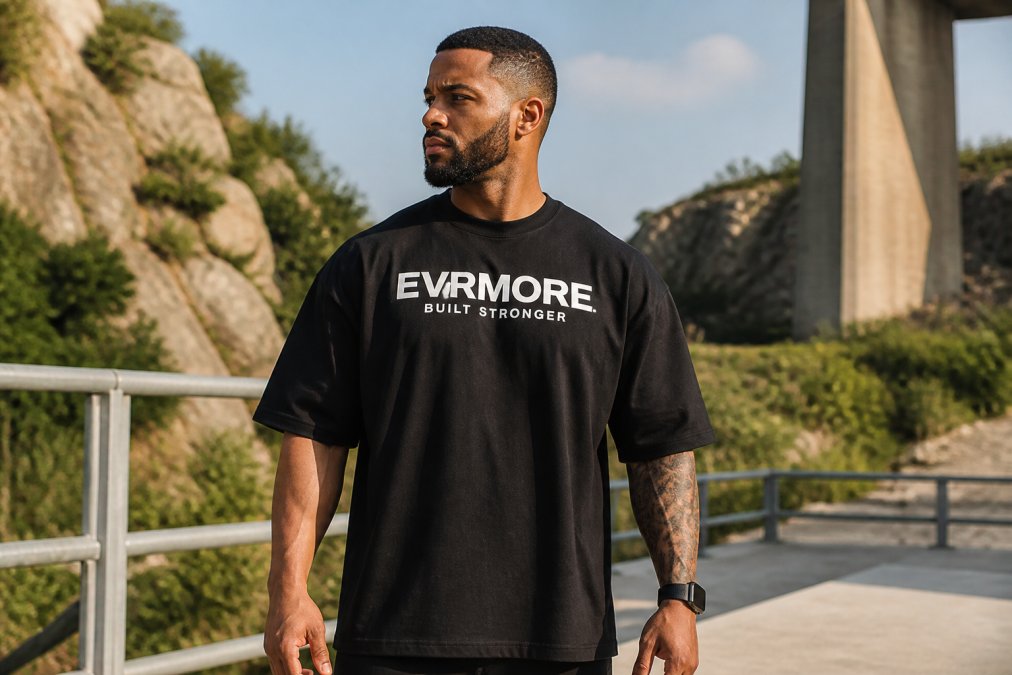
Durability is the foundation of resilience in apparel. Premium heavyweight fabric construction means your pieces don't fall apart after a few washes. The Oversized Heavyweight Streetwear Tee uses 9 oz ring-spun cotton/poly fabric delivers a thick, premium feel for everyday wear. You're not replacing this tee in three months; you're wearing it for years. That matters psychologically. Each time you put it on, you're reinforcing a choice you've already made, and the garment holds up because your commitment is real.
The fit also signals resilience. A boxy streetwear cut with dropped shoulders and relaxed proportions isn't about hiding or conforming to trends. It's about comfort, functionality, and a refined aesthetic that works across different body types and life stages. You're not performing for anyone. You're choosing pieces that fit your life, not the other way around.
Personal growth apparel goes beyond the graphic. It's about how the piece makes you feel when you wear it. The Rescued Redeemed Restored Christian Heavyweight Shirt speaks to faith-based transformation, a testimony worn daily. For someone navigating a spiritual rebirth or life perspective shift, this isn't just a shirt; it's an affirmation of the work you've done to rebuild yourself spiritually and emotionally.
Meaningful Streetwear Brands: Beyond Surface-Level Messaging
Not all streetwear with a message is created equal. The difference between meaningful streetwear and surface-level branding comes down to intentionality, durability, and whether the brand actually understands the audience wearing the pieces.
Surface-level messaging brands treat recovery or personal transformation as a trend. They slap a motivational quote on cheap fabric, mark it up, and move on. The pieces fall apart. The messaging starts to feel hollow. You realize you were sold a gimmick, not a genuine product designed for people navigating real adversity.
Meaningful streetwear brands, by contrast, build from the inside out. They start with premium construction because they know their audience deserves apparel that lasts. They develop messaging that reflects actual lived experience, not corporate-speak about resilience. They design fits that work for real bodies and real lives, not just runway aesthetics.
EVRMORE approaches this differently. Every piece in the collection starts with the fabric, heavyweight, durable. The graphics are DTF printed with intention, not slapped on as an afterthought. The fit is boxy and relaxed because comfort matters when you're doing the work of rebuilding. The messaging comes from understanding what people actually need to hear when they're in recovery or navigating transformation.
This is why choosing the right brand matters. You're not just buying a tee; you're choosing whether to align with a company that genuinely understands your journey or one that's capitalizing on it.
Addressing Root Causes Through Intentional Design
Recovery that lasts addresses root causes. This is where apparel design intersects with behavioral health. When you're wearing a piece that reinforces your commitment to addressing what actually caused your struggle, not just removing the symptom, you're wearing a tool for healing.
The Built Stronger messaging works because it acknowledges a fundamental truth: what tried to break you became part of what built you. That's not just motivational rhetoric. It recognizes that recovery isn't about erasing the past; it's about integrating it, learning from it, and building something stronger as a result.

Intentional design means the brand has thought through what their audience actually needs. Are you early in recovery and not ready for bold messaging? The Slate colorway offers the same Built Stronger message with a quieter visual presence, subtle from a distance, powerful when examined closely. Are you further along and ready to own your story publicly? The Black version delivers maximum contrast and visibility.
This level of intentionality extends to fit and fabric.
Building Social and Relational Impact Through Your Wardrobe
Your clothing doesn't exist in isolation. It communicates to the people around you, and it shapes how you show up in relationships and communities. This is where apparel becomes a tool for social and relational healing.
How to Choose the Right Statement for Your Stage
Your stage of recovery or transformation determines which piece serves you best right now. This isn't about committing to one brand forever; it's about choosing apparel that matches where you actually are in the process.
| Stage | Best Fit | Why It Works | Key Feature |
|---|---|---|---|
| Early (0-3 months) | Built Stronger Tee - Slate | Understated messaging, subtle visual impact | Muted colorway with quiet strength |
| Mid (3-12 months) | Never Looking Back Unisex Tee | Active forward movement, symbolic design | Broken chain + forward messaging |
| Established (12+ months) | Built Stronger Tee - Black | Bold statement, maximum confidence | High contrast, visible commitment |
| Faith-focused | Rescued Redeemed Restored | Spiritual testimony, grace-centered | Faith-forward design, heavyweight feel |
Frequently Asked Questions
What is the difference between sober and recovery fashion?
Sober fashion emphasizes abstinence and the immediate stopping point, often featuring messaging around sobriety milestones and substance-free identity. Recovery fashion goes deeper, addressing the holistic healing process including trauma-informed care, emotional regulation, and long-term wellness. Sober fashion marks the beginning; recovery fashion celebrates the entire journey of rebuilding yourself and addressing root causes of addiction.
How does resilient clothing for personal growth support your healing journey?
Resilient clothing serves as a daily reminder of your strength and commitment to change. Wearing pieces like EVRMORE's Built Stronger Tee ($45) provides a wearable affirmation. The message-driven design helps anchor your mindset by keeping your focus forward and your identity aligned with growth rather than just abstinence.
Why should I choose meaningful streetwear brands over generic apparel?
Meaningful streetwear brands build pieces around authentic narratives of personal transformation, not just trendy messaging. They combine premium construction with purpose-driven design, ensuring durability matches the weight of what you're communicating. Brands like EVRMORE use heavyweight fabric and intentional graphics to create apparel that feels as resilient as your journey, supporting sustainable change and long-term wellness through quality that lasts.
Is there a difference between sober-curious fashion and recovery-focused gear?
Yes. Sober-curious fashion is exploratory and may not reflect a deep commitment to abstinence or recovery. Recovery-focused gear is designed for those actively engaged in healing and pursuing holistic recovery. Recovery fashion acknowledges the psychological health and behavioral changes required.



Leave a comment
This site is protected by hCaptcha and the hCaptcha Privacy Policy and Terms of Service apply.