

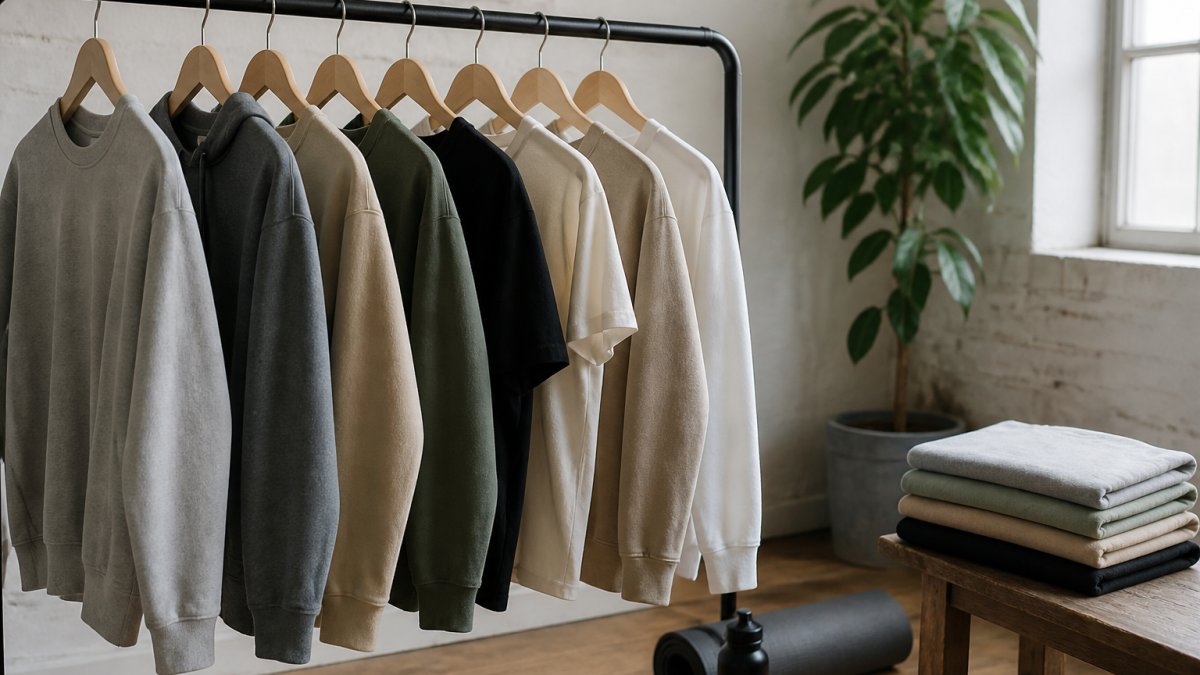
Resilient Apparel for Mental Wellness: A Buying Guide
Table of Contents
- What Resilient Apparel for Mental Wellness Actually Means
- Mental Health Clothing Brands That Prioritize Quality and Message
- Mental Health Awareness Apparel: Choosing Pieces That Matter
- Resilience Quotes on Clothing: When Bold Messaging Works
- Mental Wellness Streetwear for Everyday Wear
- What Actually Matters: Beyond the Message
- Frequently Asked Questions
Last Updated: October 8, 2026
What Resilient Apparel for Mental Wellness Actually Means
Resilient apparel for mental wellness is clothing designed with intention, daily reminders of strength, recovery, and transformation.
At EVRMORE, our pieces combine heavyweight construction with bold graphics for those who have overcome addiction, escaped abusive situations, survived financial collapse, or shifted their life direction, a tangible expression of refusal to look back.
True resilient apparel meets three criteria: durable enough for daily wear, refined enough to work across contexts, and specific enough in its messaging to feel personally relevant rather than generic.
Mental Health Clothing Brands That Prioritize Quality and Message
When looking for mental health clothing brands, the temptation is to grab whatever feels emotionally right in the moment.
Real mental health clothing brands invest in both: durability and message are inseparable. If the piece disintegrates, so does the meaning you attached to it.
What separates quality mental health clothing brands? They don't use mental wellness as a marketing angle.
| Consideration | What Matters | Why It Matters |
|---|---|---|
| Fabric Weight | 14+ oz for durability | Lightweight fabric pills and stretches out after weeks |
| Stitching Quality | Single-needle topstitching, reinforced seams | Prevents unraveling and maintains shape through washing |
| Fit Design | Intentional proportions (dropped shoulders, structured shoulders) | Flattering across body types; not just oversized or baggy |
| Colorway Selection | Neutral tones that layer with existing wardrobe | Black, Slate, Vintage Pearl work with more outfits than bright colors |
| Message Specificity | Targeted language, not generic motivation | "What Broke Me Built Me Stronger" resonates; "Stay Strong" does not |
Mental Health Awareness Apparel: Choosing Pieces That Matter
Choosing the right mental health awareness apparel requires honesty about where you are in your journey. Early in recovery or a major life transition, a bold-message hoodie might feel like too much exposure, that's valid. The right piece meets you where you are.
Fit and Comfort as Part of Self-Care
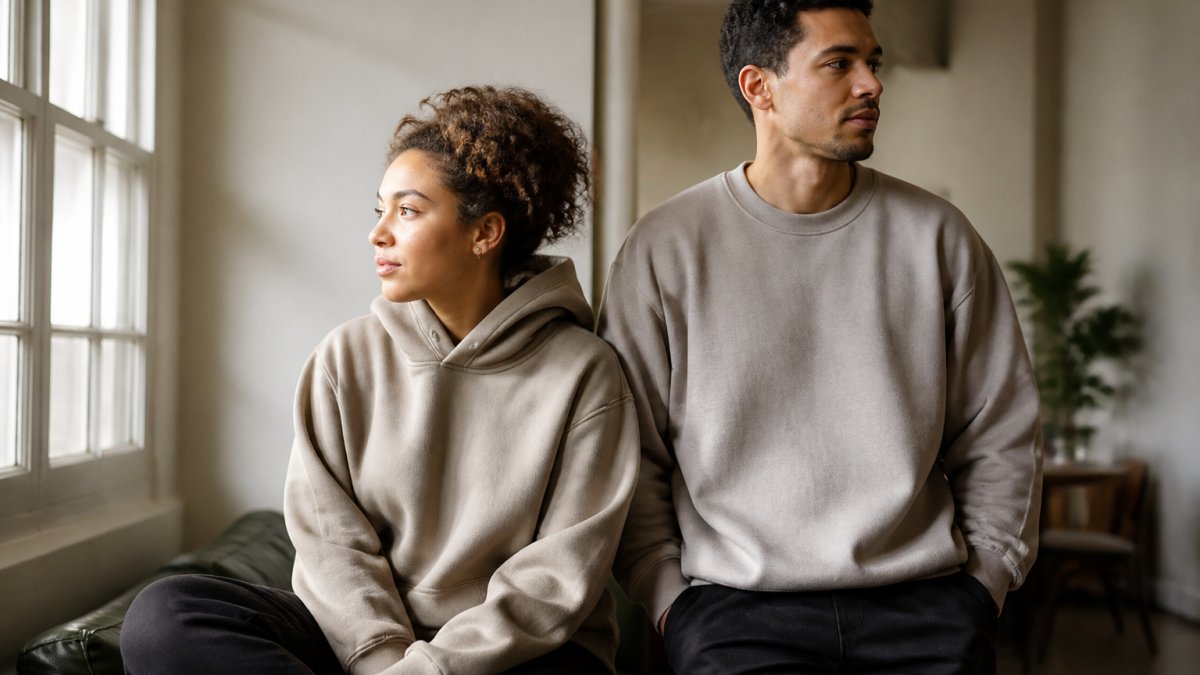
Fit is part of the self-care practice itself. Clothing that fits well helps you move differently and feel more grounded; clothing that pulls, bunches, or feels too tight creates low-level physical stress all day.
EVRMORE's pieces use a boxy streetwear cut with dropped shoulders and a structured shoulder line, working across body types because it isn't trying to be fitted.
Our fleece hoodies use 70/30 combed ring-spun cotton and recycled polyester, soft enough for all-day wear, structured enough to hold shape after multiple washes.
Durability That Matches Your Journey
Durability is about trust. Investing in mental wellness streetwear is a statement about your commitment to yourself, if the piece falls apart after a few months, it undermines the entire practice.
The American Apparel Association notes that heavyweight garments maintain structural integrity significantly better than standard-weight alternatives. This is why EVRMORE uses 16.5 oz French terry instead of mid-weight options.
Real durability comes from pre-shrunk fabric, stitching that doesn't unravel, and blends that resist pilling.
Resilience Quotes on Clothing: When Bold Messaging Works
Not every resilience quote belongs on clothing. Some messaging is too specific to one person's story; other quotes are so generic they mean nothing. The ones that work capture something true about rebuilding yourself without minimizing the difficulty or prescribing how someone else should feel.
The messaging on mental wellness apparel falls into a few recognizable patterns, and each carries different trade-offs for the wearer:
- Acknowledgment messages name the hard part directly: "What Broke Me Built Me Stronger," "Still Here," "Survived the Storm." They resonate because they don't skip past the difficulty, though they can feel heavy on low days.
- Affirmation messages state a present-tense truth the wearer wants to reinforce: "I Am Enough," "Worthy," "I Choose Peace." These work for daily wear but can tip into generic territory if the phrasing is too broad.
- Solidarity messages signal that the wearer is not alone: "You Are Not a Burden," "It's Okay to Not Be Okay." These can start conversations and reduce stigma, but only if the wearer is comfortable fielding questions.
- Humorous or defiant messages use wit to reclaim power: "Anxiety's Favorite Customer," "Nap Champion." These can be effective for some wearers and alienating for others.
Stigma-Aware Language: What to Avoid
A common pattern in mental health apparel is language that unintentionally reinforces stigma or slides into toxic positivity. Watch for these:
- Toxic positivity, phrases like "Just Be Happy," "Good Vibes Only," or "Positive Vibes" feel dismissive to someone actually struggling, implying difficult emotions are a choice or a failure.
- Prescriptive messaging, "Just Pray About It," "Get Over It," or "Choose Joy" tells the wearer what to do rather than meeting them where they are.
- Clinical or diagnostic labels used casually, printing "OCD," "Bipolar," or "Schizo" as a joke or aesthetic trivializes real conditions and alienates the people the apparel claims to support.
- Crisis-adjacent language, phrases referencing self-harm, suicide, or specific methods should be handled with extreme care or avoided entirely on everyday apparel. If a message could be misread by someone in crisis, it is not the right message for a t-shirt.
A Practical Test Before You Buy
When you're evaluating a resilience quote for apparel, run it through these questions:
What Broke Me Heavyweight Hoodie | Original | Slate | 16.5 oz →
- Does it acknowledge the difficulty, or skip past it? Messages that name the hard part age better than ones that pretend it didn't happen.
- Does it sound like something a real person would say, or like a motivational poster? If it reads like a greeting card, it will feel hollow by month three.
- Would you still want to wear this in two years? Recovery is not linear. A message that feels powerful in week one can feel like pressure in year two.
- Who might this message harm or exclude? Consider whether the phrasing stigmatizes a diagnosis, dismisses someone else's experience, or assumes a specific recovery path.
- Is the message for you or for other people? Some wearers choose apparel as a conversation starter; others as a private reminder. Both are valid, but they call for different messaging.
The best resilience quotes on clothing are short, active, and grounded in the actual experience of recovery. They remind the wearer of something they already know, and when a message does that without minimizing, prescribing, or performing, it earns its place in your rotation.
Mental Wellness Streetwear for Everyday Wear
Mental wellness streetwear that works has to integrate into your regular wardrobe. If it only works with specific outfits or feels like "special occasion recovery gear," you won't wear it consistently, and consistency is where the practice lives.
Building a Capsule Wardrobe Around Meaning
A capsule wardrobe built around mental wellness apparel starts with neutral colorways.
From there, add pieces with different silhouettes and weights: a heavyweight hoodie for cooler months, a crewneck for transitions, a tee for warmer weather.

The key is intentionality: a wardrobe that doesn't scream "recovery apparel" at everyone, but reminds you every time you get dressed of the strength you've already proven.
Inclusive and Accessible Design: What to Look For
A growing number of brands now design mental wellness apparel with accessibility in mind, worth knowing what to look for if you have sensory sensitivities, mobility needs, or have struggled to find pieces that fit.
- Sensory-friendly construction, flatlock seams, tagless neck labels, and soft interior finishes reduce the scratch and pressure that aggravate sensory sensitivities. Looped heavyweight fleece soothes some wearers and overwhelms others; if you're sensory-sensitive, look for smooth-face fabrics or brushed interiors rather than looped terry.
- Adaptive closures, magnetic closures, hook-and-loop fasteners, and side-entry openings make hoodies and jackets easier to put on and take off for people with limited dexterity, chronic pain, or fatigue. These features are increasingly available outside medical-apparel channels.
- Size inclusivity, a brand offering only straight sizes is not actually inclusive, regardless of its messaging. Look for extended size ranges (often up to 4X or 5X) and fit models who reflect that range. A boxy cut that works on a size medium may not drape the same on a size 3X; ask whether the brand has graded its patterns across the full range.
- Gender-neutral and unisex options, many mental wellness shoppers prefer apparel that isn't cut to a gendered silhouette. Unisex cuts are common, but check the size chart: unisex sizing often runs one to two sizes larger than women's sizing, and shoulder-to-hem proportions can differ significantly.
Care and Longevity: Making the Piece Last
Durability is part of the wellness value of a garment. A piece that holds up over years becomes a familiar part of your routine; one that pills, fades, or shrinks after a few washes becomes a source of low-grade frustration. A few practices extend the life of heavyweight apparel:
- Wash cold, inside out. Heat breaks down cotton fibers and accelerates fading on screen-printed and layered graphics. Cold water and a gentle cycle preserve both fabric and print.
- Skip the dryer when you can. Hang drying or laying flat preserves shape and prevents shrinkage even pre-shrunk fabric can experience. If you must tumble dry, use low heat and remove the piece while still slightly damp.
- Use less detergent. Excess detergent leaves residue that stiffens fabric and dulls prints. A small amount of mild detergent is enough for most loads.
- Turn graphics away from other garments. Zippers, buttons, and rough fabrics abrade prints in the wash. Washing graphic pieces inside out or in a mesh bag reduces this.
What Actually Matters: Beyond the Message
What most mental health awareness apparel guides miss: the message matters less than the consistency of wear.
According to the Journal of Consumer Psychology, clothing choices significantly influence self-perception and behavior patterns.
The most resilient apparel for mental wellness is the piece you actually wear. Not the one you admire online.
EVRMORE's Built Stronger Heavyweight Hoodie ($90) delivers on this: 16.5 oz French terry that holds its shape through repeated washing, dropped shoulders and a structured silhouette that work across body types, messaging that's specific without being preachy, and colorways that integrate into an actual wardrobe, apparel for people doing the work of rebuilding, not just buying a symbol of it.

For those earlier in their journey or preferring subtler messaging, the Built Stronger Fleece Crewneck ($70) offers the same quality construction with a more understated approach.
Frequently Asked Questions
How can clothing support self-expression and mental wellness?
Clothing that carries meaning, whether through bold messaging or intentional design, can serve as a daily reminder of your strength and values. Wearing pieces that align with your personal journey creates a tangible connection to your progress. For many, resilient apparel for mental wellness becomes a conversation starter and a symbol of refusal to look back. The act of choosing clothing that reflects your identity, rather than hiding it, is itself an act of self-care and empowerment.
What should I look for in resilience-inspired apparel?
Prioritize heavyweight construction, premium fabrics, and thoughtful design that will last through regular wear. Look for pieces with messaging that resonates with your specific journey, not generic inspiration. Check fit carefully: relaxed, dropped-shoulder styles work for most body types, but sizing guides and fit descriptions matter. Verify that the brand stands behind its products with clear care instructions and realistic durability claims. The best resilience-inspired apparel feels like an investment in yourself, not a trend.
Can wearing a mental health message help start a conversation?
Yes, but only if you're ready. Bold messaging on your chest or back acts as a visible statement that can invite questions and connection from others who recognize the significance. Some people find this empowering; others prefer subtler pieces early in their journey. Mental wellness streetwear exists on a spectrum from understated emblem designs to full statement graphics. Choose based on where you are right now, not where you think you should be. Your comfort level matters more than the size of the message.
Why is durability important in mental health awareness apparel?
Apparel designed for mental wellness often carries emotional weight alongside its physical weight. A piece that falls apart after a few washes sends an unintended message about its value, and yours. Heavyweight fabrics like 16.5 oz French terry, pre-shrunk construction, and quality stitching ensure your pieces remain reliable through countless washes and years of wear. This durability transforms your apparel from a momentary purchase into a lasting part of your daily practice, supporting consistency in your wellness routine.

Leave a comment
This site is protected by hCaptcha and the hCaptcha Privacy Policy and Terms of Service apply.