

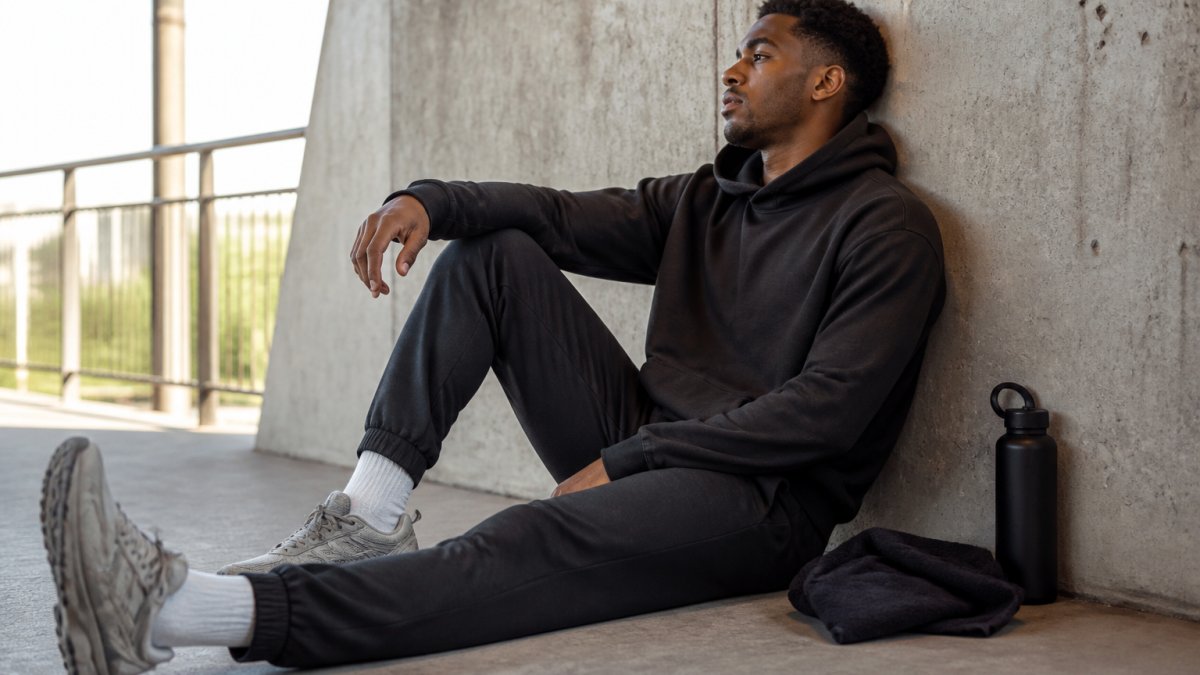
Resilient Apparel for Active Recovery: A Complete Guide
Table of Contents
- What Resilient Apparel for Active Recovery Actually Does
- Benefits of Compression Gear for Recovery
- How to Choose Recovery-Friendly Fabrics
- Active Recovery Routine Essentials
- Why Heavyweight Construction Matters for Resilient Apparel
- Integration of Recovery Apparel Into Daily Life
- Maintaining Your Resilient Apparel for Long-Term Durability
- Frequently Asked Questions
Last Updated: October 3, 2026
What Resilient Apparel for Active Recovery Actually Does
Resilient apparel for active recovery is designed to support your body during and after physical activity, combining technical fabric performance with durability that lasts through countless wear cycles. At EVRMORE, we build apparel specifically for people navigating recovery, whether that's physical, mental, or emotional, and we understand that your clothes need to be as strong as you are.
The core function of recovery-focused apparel goes beyond basic comfort. These pieces work by maintaining consistent support, managing moisture, and regulating temperature during low-intensity movement and rest days.
What separates resilient recovery apparel from standard streetwear is the engineering underneath. The fabric blend, seam construction, and fit architecture all work together to support your body's physiological needs while maintaining an aesthetic that reflects your strength and resilience. This isn't about flashy performance claims, it's about apparel that actually performs when you need it.
Benefits of Compression Gear for Recovery
Blood Circulation and Muscle Oxygenation
Compression apparel applies graduated pressure to your muscles, which enhances blood circulation and improves how efficiently oxygen reaches your muscle tissue. This physiological support matters during active recovery because improved circulation helps flush metabolic waste products that accumulate during training, while simultaneously delivering fresh oxygen-rich blood to support tissue repair.
The mechanism is straightforward: when compression garments apply controlled pressure, they encourage venous return, the flow of blood back toward your heart. This increased circulation means your muscles receive better oxygenation during the recovery window, which is when your body actually rebuilds and strengthens itself. For athletes and active individuals, this translates to faster recovery timelines and reduced fatigue between training sessions.
Many athletes find that wearing compression apparel during active recovery sessions, light walking, gentle stretching, or mobility work, creates a noticeable difference in how their body feels the next day. The improved muscle oxygenation supports the physiological processes that reduce soreness and accelerate adaptation.
Reducing Muscle Fatigue and Soreness
Muscle fatigue and soreness develop when training creates microscopic damage in muscle fibers and metabolic byproducts accumulate in the tissue. Compression apparel addresses both by supporting lymphatic drainage and maintaining consistent pressure that reduces muscle oscillation during movement.
When muscles contract and relax during activity, they vibrate slightly, a phenomenon called muscle oscillation. Excessive oscillation contributes to fatigue and increases soreness. Compression garments stabilize this movement, which means less energy wasted on unproductive muscle vibration and faster recovery of muscle function. Additionally, the improved circulation we discussed earlier helps clear lactic acid and other metabolic waste more efficiently, which directly reduces the intensity and duration of post-workout soreness.
The recovery window, typically the 24-48 hours after intense training, is when this benefit becomes most apparent. Wearing resilient compression apparel during this period supports your body's natural recovery processes and helps you feel ready for your next training session sooner.
How to Choose Recovery-Friendly Fabrics
Material Science: Durability and Elasticity
The durability of recovery apparel depends on three core factors: fiber composition, weave construction, and how well the fabric retains its shape over time. Understanding these elements helps you choose pieces that will actually last through months of regular wear and washing.
High-quality recovery apparel typically uses blended fabrics that combine natural fibers like combed ring-spun cotton with synthetic fibers such as recycled polyester or nylon.
Elasticity matters because recovery apparel needs to move with your body without losing its compression or support. Synthetic fibers like spandex or elastane are blended into the fabric to provide this stretch recovery, the ability to return to its original shape after being stretched.
The [EVRMORE Built Stronger Fleece Hoodie](https://www.evrmorebrand.com/products/built-stronger-what-broke-me-hoodie) uses a 70/30 combed ring-spun cotton and recycled polyester blend with structured ribbing that holds its form wash after wash. This construction ensures the compression and fit remain consistent even after months of regular wear.

Moisture-Wicking and Breathability Standards
Breathability in recovery apparel prevents sweat accumulation and keeps your body at an optimal temperature during active recovery sessions. Moisture-wicking fabrics pull sweat away from your skin and move it to the outer surface where it can evaporate, which keeps you dry and prevents the clammy feeling that leads to discomfort and chafing.
The effectiveness of moisture-wicking depends on fabric construction and fiber type. Synthetic fibers like polyester are naturally hydrophobic, they repel water, which makes them excellent for moving moisture away from skin.
Look for fabrics with a smooth face finish, which reduces friction against skin and improves moisture transport. Fast-drying characteristics matter too, especially if you're wearing recovery apparel throughout the day. A fabric that dries quickly prevents moisture from sitting against your skin and creating an environment for bacterial growth or odor development.
The Built Stronger collection uses soft ReFlex fleece, a 70/30 blend that combines breathability with thermal regulation, making it suitable for both active recovery sessions and everyday wear without overheating.
Active Recovery Routine Essentials
Layering for Thermal Regulation
Thermal regulation during active recovery means maintaining a body temperature that supports circulation without overheating or getting too cold. Layering with resilient apparel allows you to adjust your insulation based on your environment and activity intensity.
The base layer should be a fitted piece that manages moisture and maintains contact with your skin for efficient temperature regulation. Mid-layers like the [EVRMORE Built Stronger Fleece Crewneck](https://www.evrmorebrand.com/products/built-stronger-what-broke-me-crewneck) provide insulation and additional moisture management without adding bulk.

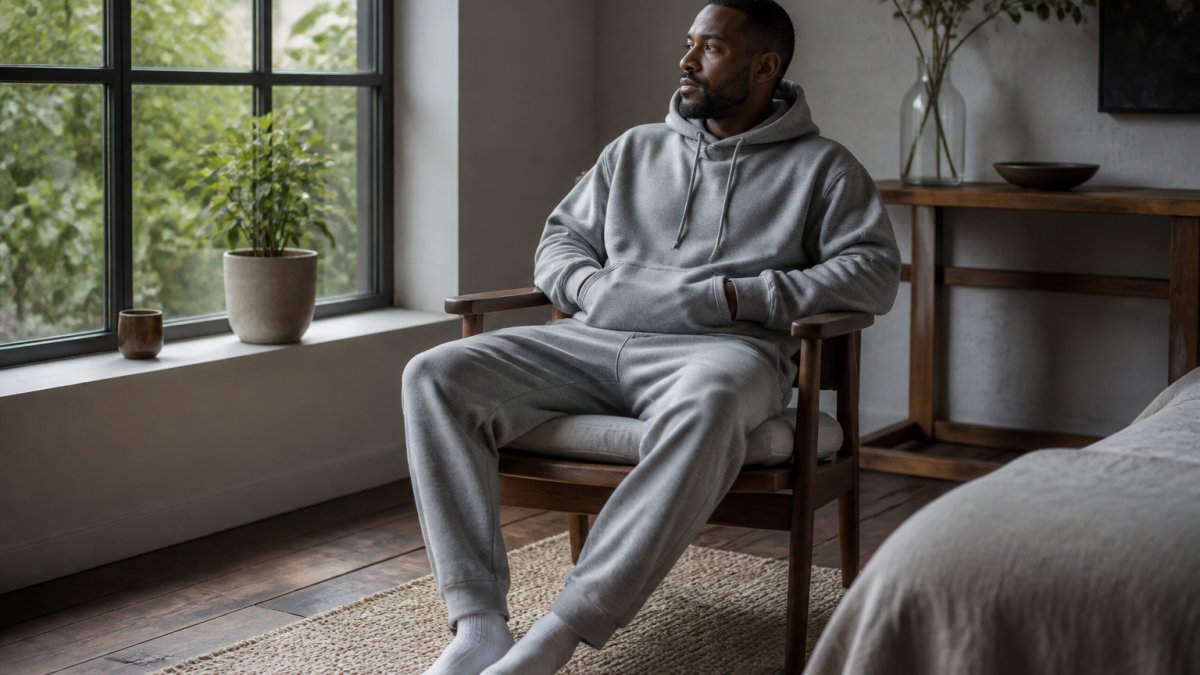
For lower-body layering during active recovery, the Built Stronger Fleece Sweatpants offer a relaxed fit with side pockets and differential rise that accommodates natural movement patterns. The soft ReFlex fleece provides warmth without the weight of heavier materials, and the covered elastic waistband ensures consistent compression without cutting off circulation.

The key principle is matching your layering to your activity intensity. Light walking or stretching requires less insulation than static recovery work in a cold environment. Resilient apparel that's engineered for active recovery allows you to layer effectively without excess bulk or restriction.
Built Stronger Fleece Sweatpants | Relaxed Fit | Sandstone →
Recovery Window Timing and Apparel Choice
The recovery window, the period immediately after training when your body is most receptive to adaptation and repair, is when your apparel choice has the most impact. During this window, wearing compression apparel that supports blood circulation and thermal regulation accelerates the recovery process.
Timing matters because your body's recovery mechanisms are most active within the first 2-4 hours after training. Wearing resilient compression apparel during this period maximizes the physiological benefits of improved circulation and reduced muscle oscillation. Many athletes and active individuals wear compression pieces immediately after training and throughout the following day to extend these benefits.
For active recovery sessions, light movement, stretching, or mobility work, wearing apparel designed for this purpose ensures you're getting the compression and support benefits while maintaining freedom of movement.
Why Heavyweight Construction Matters for Resilient Apparel
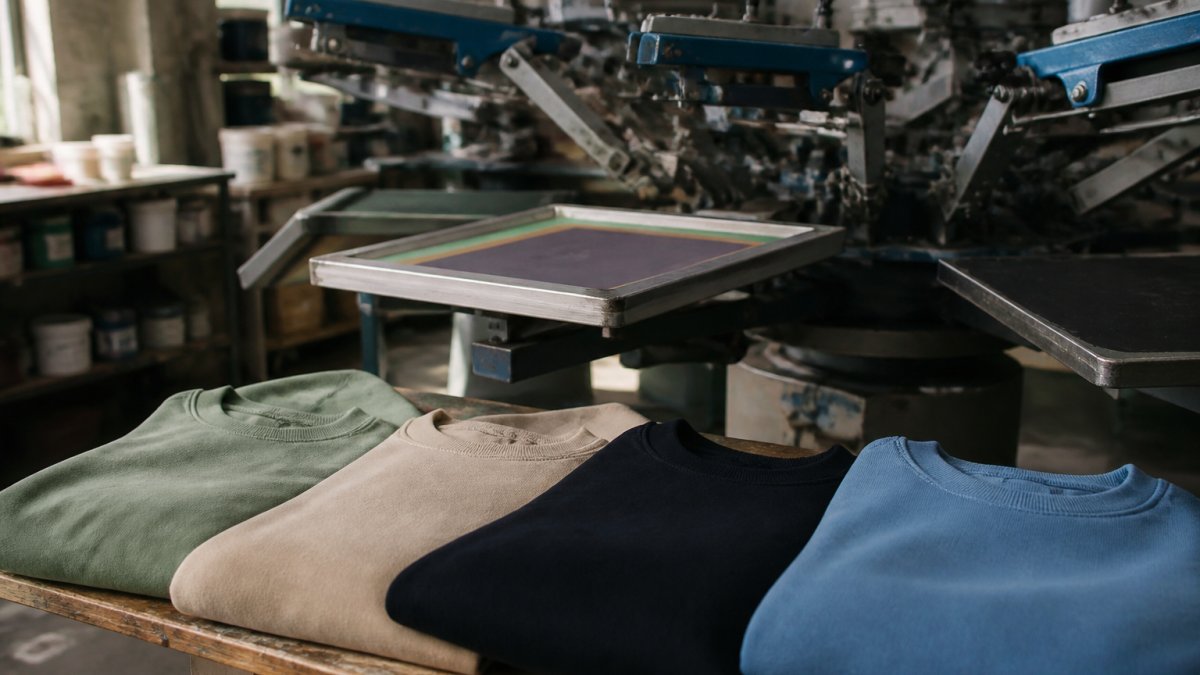
Heavyweight fabric construction, typically measured in ounces per square yard, directly correlates with durability, longevity, and consistent performance over time. Premium recovery apparel uses heavier fabric weights because they resist pilling, maintain their shape, and withstand repeated washing cycles without degradation.
Heavyweight construction at 7.6 ounces or higher maintains its integrity, which translates to apparel that performs consistently for months or years rather than weeks. The denser weave also provides better compression support because the fabric has more structural integrity to maintain consistent pressure against your muscles.
Heavyweight construction with proper ribbing maintains the original fit and support characteristics, which means the compression benefits remain consistent throughout the garment's lifespan. This is why EVRMORE uses premium heavyweight fleece blends, the investment in better materials ensures your recovery apparel actually performs when you need it.
Integration of Recovery Apparel Into Daily Life
Recovery apparel shouldn't exist only for dedicated recovery sessions. The most effective approach is wearing resilient pieces throughout your day, which maintains consistent support and creates a mindset of ongoing recovery and self-care. This integration transforms recovery from an isolated activity into a lifestyle practice.
Wearing recovery-focused apparel during work, errands, or casual time at home keeps your body supported during periods when you're not actively training.
The psychological component matters too. Wearing apparel that represents your resilience and recovery journey creates a daily reminder of your strength and commitment to yourself. Many people find that intentional clothing choices, pieces that reflect their values and where they're headed, reinforce their recovery mindset and keep them grounded during challenging moments.
The key is choosing pieces that work across multiple contexts. The Built Stronger Crewneck and Sweatpants transition seamlessly from recovery sessions to casual wear to work-from-home comfort, which means you're getting consistent physiological support without having to change clothes or compromise on your daily aesthetic.
Maintaining Your Resilient Apparel for Long-Term Durability
The durability of heavyweight recovery apparel depends significantly on how you care for it. Proper maintenance ensures your pieces maintain their compression, elasticity, and structural integrity through years of regular wear.
Wash in cold water to prevent premature fading and reduce stress on elastic fibers.
Use a gentle detergent formulated for technical fabrics, standard detergents can leave residue that reduces breathability and moisture-wicking performance. Avoid fabric softeners, which coat fibers and reduce their ability to manage moisture effectively.
Store folded rather than hung if possible, especially for heavier pieces like hoodies and sweatpants. Hanging can stretch out shoulder seams and cause the fabric to lose its shape over time.
Recovery isn't a destination, it's an ongoing practice. The apparel you wear during this journey should reflect that commitment with durability, support, and intentional design.
| Aspect | Lightweight Apparel | Heavyweight Resilient Apparel |
|---|---|---|
| Fabric Weight | 5-6 oz/sq yd | 7.6+ oz/sq yd |
| Durability | 15-20 wash cycles | 50+ wash cycles |
| Shape Retention | Stretches out quickly | Maintains original fit |
| Compression Support | Diminishes over time | Remains consistent |
| Cost Per Wear | Higher (replaces often) | Lower (lasts longer) |
According to research on athletic recovery protocols, active recovery sessions combined with appropriate compression support accelerate physiological adaptation and reduce recovery timelines. The American College of Sports Medicine guidelines recommend compression garments during the 24-48 hour recovery window following intense training. Studies published in the Journal of Sports Sciences show that moisture-wicking fabrics with proper elasticity maintain their performance characteristics through extended use when constructed with premium fiber blends and appropriate weight specifications.
Frequently Asked Questions
What is active recovery clothing and how does it differ from regular workout gear?
Active recovery clothing is designed to support your body during low-intensity movement and rest days, not high-intensity training. Unlike performance gear built for sweat management during workouts, resilient apparel for active recovery prioritizes compression benefits, blood circulation support, and comfort during the recovery window. The fabric construction emphasizes durability and shape retention so the garment performs consistently through repeated wear and washing, which matters when you're wearing it multiple times per week during recovery protocols.
Why is fabric durability important for recovery apparel?
Recovery apparel gets worn frequently, often multiple times per week during rest days, post-workout periods, and everyday life. Durable construction with high tensile strength and quality synthetic fibers or cotton blends maintains compression levels, keeps the fit locked-in, and prevents necklines and waistbands from deforming after washing. This consistency is essential because recovery depends on reliable support, and apparel that falls apart undermines both the physical and psychological benefit of wearing it.
What should I look for when choosing recovery-friendly fabrics?
Prioritize moisture-wicking and breathability to keep you dry during active recovery sessions. Look for blends like combed ring-spun cotton mixed with recycled polyester, these offer softness, durability, and fast-drying properties. Check for elasticity and range-of-motion features, which allow comfortable movement without restriction. Verify that the fabric has ribbed cuffs and structured waistbands with spandex to maintain shape wash after wash. Avoid thin, loose-weave materials that lose compression and elasticity quickly. Heavyweight construction signals tensile strength and longevity.
How do I integrate recovery apparel into my daily routine without it feeling out of place?
Choose pieces with refined aesthetics that work for both recovery days and everyday wear. The Built Stronger Fleece Hoodie ($85) and sweatpants ($75) from EVRMORE feature a relaxed, dropped-shoulder cut that fits naturally into casual streetwear style, so you can wear them to run errands, work from home, or layer during low-intensity activity. Start with neutral colorways like Sandstone or Black that pair easily with other clothing. The key is selecting apparel that looks intentional and grounded rather than purely functional, so wearing it becomes part of your daily identity rather than something you hide.

Leave a comment
This site is protected by hCaptcha and the hCaptcha Privacy Policy and Terms of Service apply.