

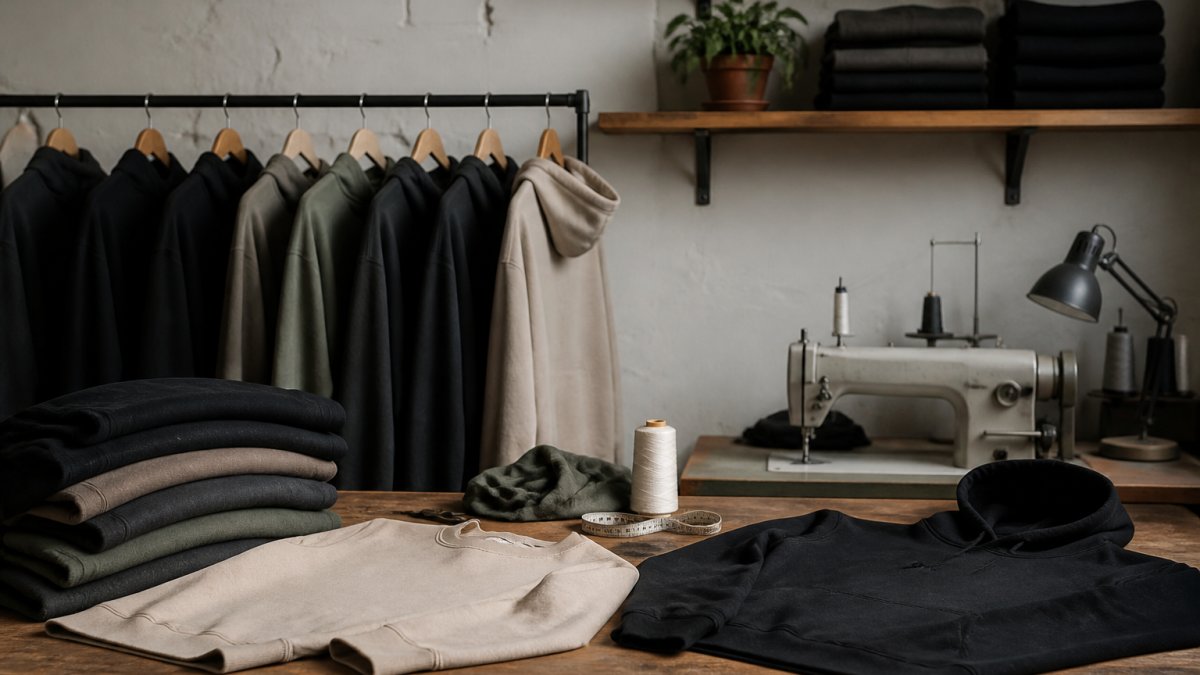
Investing in Durable Sober Fashion: A Guide
Table of Contents
- Why Durable Sober Fashion Matters for Your Recovery
- How to Buy Quality Clothes That Last
- Building Long-Lasting Clothing Into Your Wardrobe
- Versatile Wardrobe Essentials for Everyday Wear
- Clothing Care Tips for Maximum Longevity
- Slow Fashion and Mindful Consumption
- From Thrifting to Clothing Swaps: Extending Your Wardrobe
- Conclusion: Apparel as a Statement of Resilience
- Frequently Asked Questions
Last Updated: October 6, 2026
Why Durable Sober Fashion Matters for Your Recovery
Investing in durable sober fashion isn't about looking good. It's about building a wardrobe that reflects who you're becoming.
At EVRMORE, we believe apparel can be a statement of resilience. Quality clothing that lasts isn't a luxury, it's a foundation.
Here's what matters: clothes that hold up to real life, don't fall apart after a few washes, and fit well.
Most people buy cheap clothes on impulse, wear them once or twice, then they're gone.
The real cost of fast fashion isn't the price tag.
When you invest in quality pieces, you're not just buying a hoodie or a tee. You're choosing consistency, reliability, and yourself.
How to Buy Quality Clothes That Last
Fabric weight matters most. Lightweight tees tear easily; heavyweight fabric holds up. A quality tee should feel substantial in your hands, not thin or flimsy.
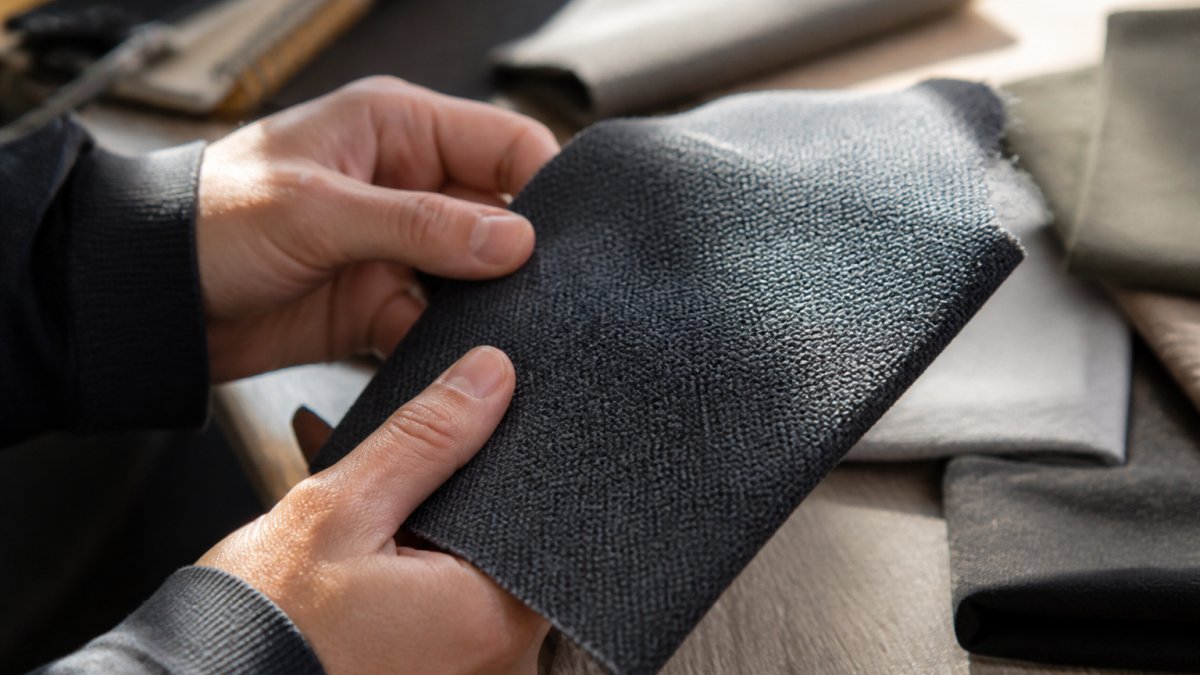
Construction is where cheap clothes fail. Check that seams are straight and reinforced, the collar lays flat, and the hem is finished cleanly.
EVRMORE's heavyweight hoodies use 16.5 oz French terry fabric with double-layer hoods and single-needle topstitching.

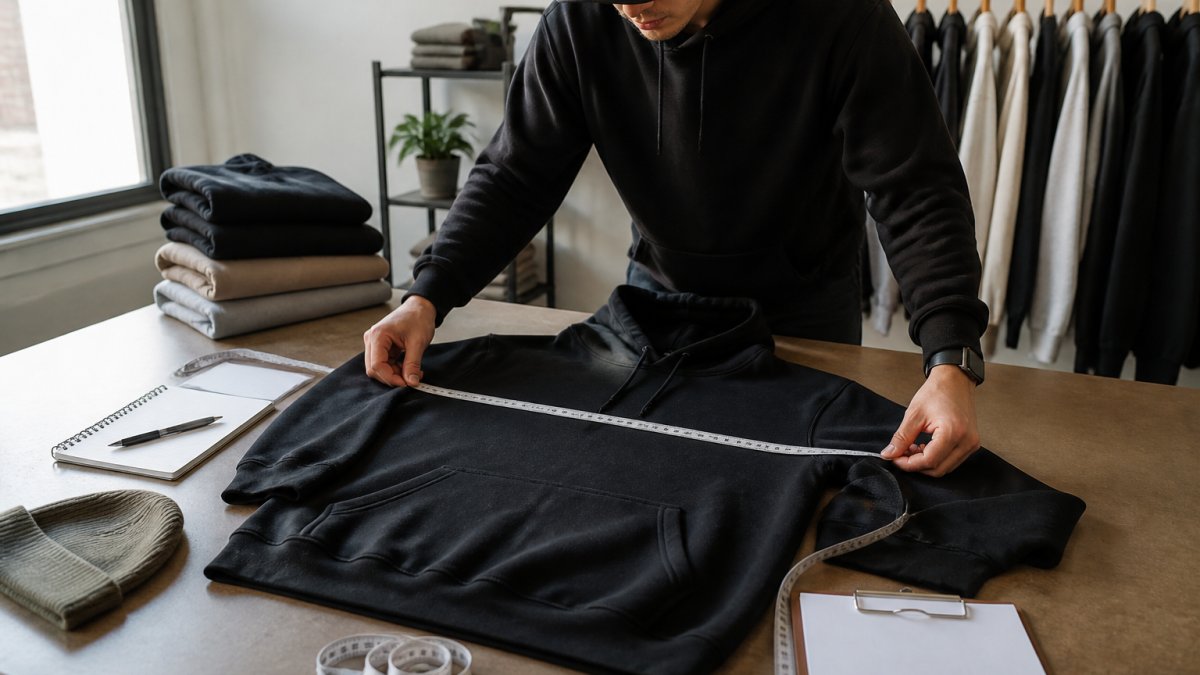
Fit determines how often you'll actually wear something. A piece that doesn't fit sits in your closet; one that fits becomes part of your rotation.
Recognizing Natural and Organic Fibers
Cotton is the foundation of durable clothing. Look for ring-spun cotton, which is stronger than regular cotton because of how the fibers are twisted.
Natural fibers breathe, feel good against your skin, and age well. A quality cotton piece looks better after a year than synthetic alternatives.
Polyester blends add durability. An 80% cotton / 20% polyester blend gives you the feel of cotton with added strength and prevents excessive shrinking.
Avoid fabrics that feel thin or slippery. Linen, hemp, and bamboo are sustainable alternatives but require different care; for everyday wear, a quality cotton blend is a good bet.
Understanding Fabric Weight and Construction
Fabric weight is measured in ounces per square yard. A standard tee is 5-6 oz. A quality tee is 9 oz or heavier. A heavyweight hoodie is 14-16 oz.
The heavier the fabric, the longer it lasts. It resists pilling, holds its shape, and doesn't thin out in high-wear areas like armpits or the collar.
Construction details matter as much as weight. Look for:
- Single-needle topstitching at the neckline
- Reinforced seams in high-stress areas
- Double-stitched hems
- Proper collar construction that won't stretch out
These details cost more to produce. Brands that skip them are cutting corners; brands that invest in them build pieces meant to last.
Building Long-Lasting Clothing Into Your Wardrobe
A wardrobe built to last doesn't need to be big. It needs to be intentional. Start with basics that work together.
Build around neutral colors. Black, slate, and vintage pearl pair with everything, so you can build outfits quickly without overthinking it.
Choose pieces with meaning. When investing in durable sober fashion, pick pieces that matter to you: a hoodie with a message you believe in, a tee that reminds you of your strength.

Prioritize quality over quantity. Five pieces you love and actually wear beat twenty you don't. Buy less, invest more in quality, and that investment pays off in longevity.
EVRMORE's "What Broke Me" collection is built on this principle. The original heavyweight hoodie and matching tee use the same message across multiple pieces. You can build a coordinated wardrobe without excess.
Cost-Per-Wear: The Real Math Behind Investment Pieces
Cost-per-wear measures real value: divide the price by how many times you'll wear it.
A $90 hoodie worn 100 times costs 90 cents per wear. A $20 hoodie worn 10 times costs $2 per wear. The expensive piece is actually cheaper.
This is how you justify investing in durable sober fashion. Quality pieces get worn more because they last longer and fit better, so they become your go-to items.
Calculate your own cost-per-wear:
- Estimate how many times you'll wear it in a year
- Multiply that by how many years it will last
- Divide the price by total wears
- Compare that to cheaper alternatives
A heavyweight tee at $45 worn twice a week for two years equals 208 wears. That's 22 cents per wear.
Versatile Wardrobe Essentials for Everyday Wear
Start with these foundation pieces. They work together. They work with other clothes you own. They form the backbone of a functional wardrobe.
Heavyweight tees: The Oversized Heavyweight Streetwear Tee in your choice of colors works with almost everything. Wear it alone. Layer it under a jacket.
A quality hoodie: The What Broke Me Heavyweight Hoodie at 16.5 oz is built to last.
Neutral bottoms: Black or gray jeans or sweats pair with everything. You don't need many options. Choose what fits well and stick with it.
Layering pieces: A lightweight jacket or overshirt extends your wardrobe's versatility.
What Broke Me Heavyweight Hoodie | Original | Slate | 16.5 oz →
These essentials work because they're simple. They're not trendy. They won't look dated next year.
Clothing Care Tips for Maximum Longevity
How you wash, dry, and repair your clothes determines how long they last. Most guides stop at laundry advice. This one goes further, because the biggest longevity gains come from learning to fix what you already own.
The Wash-and-Dry Basics That Actually Matter
Wash inside out. This protects printed graphics, reduces surface pilling, and keeps seams from abrading in the drum.
Hang dry when possible. Dryer heat damages fabric, causes shrinking, and breaks down elastic fibers. Hang drying preserves your investment.
Don't bleach. Bleach breaks down fibers and yellows whites over time; cold water and regular detergent are enough.
Iron carefully if at all. Never iron directly over printed graphics; use low heat and iron from the back.
These steps take minimal extra time, but they only address half the equation. The other half is repair.
Mending 101: The Skills That Double a Garment's Life
A split seam, loose button, or small hole doesn't mean a garment is finished, it needs ten minutes and a needle. Learning three basic repairs will save you more money than any shopping strategy.
The backstitch (for seams). Turn the garment inside out and thread a needle with matching thread.
The whipstitch (for hems and edges). If a hem comes undone, a whipstitch reattaches it without a sewing machine.
The darning technique (for holes). For a small hole in a knit tee or hoodie, thread a needle with matching yarn or thread. Make parallel stitches across the hole, then weave a second set perpendicular to the first, going over and under.
A Basic Repair Kit Worth Owning
You don't need a sewing machine. You need:
- A set of hand-sewing needles in assorted sizes
- Thread in black, white, gray, and navy (these cover most garments)
- A small pair of sharp scissors
- A seam ripper (for removing damaged stitching)
- A thimble (optional, but helpful for heavy fabrics)
- A few spare buttons in common sizes
Total cost is modest, and the kit pays for itself the first time you rescue a favorite hoodie instead of replacing it.
When to Repair and When to Retire
Not everything is worth fixing. If the fabric itself is failing across a large area, thin spots, widespread pilling, stretched-out elastic, the garment is done. If the fabric is sound and only stitching or a small area failed, repair it.
This is where durable construction pays off twice. A heavyweight tee with reinforced seams is easier to repair because the surrounding fabric holds new stitches.
Stain Triage: Act Fast, Damage Less
Most stains become permanent because of delay, not the stain itself.
- Oil and grease: Blot, don't rub. Apply a small amount of dish soap directly, work it in gently, then wash in cold water.
- Coffee and tea: Rinse immediately with cold water from the back of the fabric. Hot water sets the stain.
- Ink: Dab with rubbing alcohol on a cotton swab, working from the outside of the stain inward.
- Blood: Cold water only. Hot water cooks the protein into the fiber.
The common thread: cold water, gentle action, and speed. Keep a stain pen or dish soap near your laundry area so you actually use it.
Slow Fashion and Mindful Consumption
Slow fashion is the opposite of fast fashion: you buy intentionally, choose timeless pieces, and focus on quality over quantity.
Mindful consumption means thinking before you buy. Ask: Will I wear this 50 times? Does it fit my life and what I already own? Will it last?
When you approach durable sober fashion this way, shopping becomes different.
This mindset takes pressure off. You don't need to buy constantly or chase trends, you can focus on pieces that matter and last.
The environmental impact of slow fashion is significant. Fewer purchases mean less waste, and quality pieces worn many times have a lower footprint than cheap pieces worn once.
From Thrifting to Clothing Swaps: Extending Your Wardrobe
Thrifting and clothing swaps extend your wardrobe without buying new. They're also aligned with slow fashion principles.
Thrifting works best for basics. Look for quality vintage pieces. Check the seams. Check the fabric.
Clothing swaps connect you with community. Host a swap with friends. Bring pieces you don't wear. Take pieces you will. Everyone gets something new without spending money.
Buy secondhand when possible. Thrift stores, online resale platforms, and swap communities offer quality pieces at lower prices while extending the life of garments that might otherwise end up in landfills.
These approaches work because they're practical: they save money, reduce consumption, and align with the values behind durable sober fashion.
Conclusion: Apparel as a Statement of Resilience
Investing in durable sober fashion is about more than clothing. It's about choosing stability, building something that lasts, and wearing your recovery with confidence.
Frequently Asked Questions
What makes durable sober fashion different from regular streetwear?
Durable sober fashion combines heavyweight fabrics and intentional construction with meaningful messaging that reflects your recovery journey. Unlike typical streetwear, pieces like EVRMORE's What Broke Me Heavyweight Hoodie use 16.5 oz French terry and single-needle topstitching designed for everyday wear and longevity. The durability ensures your statement piece lasts years, not months, making it a true investment in both quality and identity.
How do I calculate cost-per-wear to justify premium prices?
Divide the garment's price by the number of times you'll wear it. A $90 hoodie worn 200 times over three years costs $0.45 per wear. Compare this to a $30 fast-fashion hoodie worn 20 times before it falls apart ($1.50 per wear). Premium pieces with better construction, like heavyweight hoodies made in Los Angeles with pre-shrunk fabric, justify higher upfront costs through extended wearability and reduced replacement frequency.
What fabrics and construction details make clothes last longer?
Look for natural fibers like organic cotton, hemp, linen, and bamboo, which age better than synthetics. Check for single-needle topstitching, reinforced seams, and heavier fabric weights (measured in GSM or ounces). EVRMORE's pieces use 80% cotton with 20% polyester blends and 560 GSM French terry, which resists pilling and maintains shape. Pre-shrunk fabrics prevent unexpected size changes after washing.
How should I care for heavyweight pieces to maximize their lifespan?
Machine wash cold inside out, hang dry instead of using a dryer, and avoid bleach and direct iron heat over prints. These steps prevent fading, shrinkage, and damage to graphic designs. Proper care transforms a $45 tee into a piece that looks intentional for years. Storing pieces flat or on hangers in a cool, dry space also prevents stretching and deformation.
When you're rebuilding your life, every choice matters. The clothes you wear send a message, to yourself and to the world. EVRMORE's heavyweight pieces like the What Broke Me Hoodie in Slate or the Oversized Heavyweight Streetwear Tee are designed for exactly this moment. Built with 16.5 oz French terry and premium construction, they're made to last through everything you've already survived and everything ahead. Start building your foundation today with pieces that won't let you down.

Leave a comment
This site is protected by hCaptcha and the hCaptcha Privacy Policy and Terms of Service apply.