

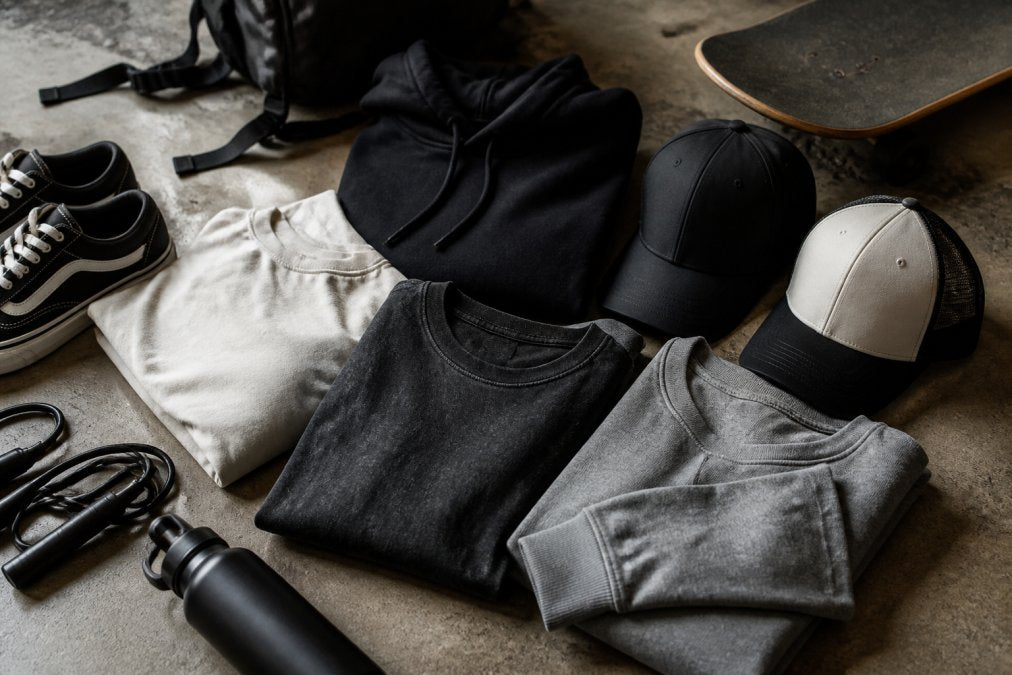
Durable Streetwear for Everyday Wear: A Complete Guide
Table of Contents
- What Makes Durable Streetwear for Everyday Wear
- Heavyweight Cotton Streetwear: Fabric Science Explained
- Best Durable Streetwear Brands and Key Features
- Identifying High-Quality Construction in Streetwear
- Streetwear Fabric Guide: Materials That Last
- Building a Capsule Wardrobe: Essential Durable Pieces
- Streetwear Care Guide: Maintenance for Long-Lasting Garments
- Cost-Per-Wear Analysis: Why Durable Streetwear Saves Money
Durable Streetwear for Everyday Wear: A Complete Guide
Last Updated: July 31, 2026
When people invest in durable streetwear for everyday wear, they're making a decision that extends far beyond a single purchase. Quality construction, thoughtful fabric selection, and intentional design choices compound over time, transforming a wardrobe into a reliable reflection of personal strength and resilience. At EVRMORE, we understand that clothing built to last carries meaning, each piece becomes a testament to durability and the refusal to settle for disposable fashion. This guide breaks down the science, construction, and care practices that separate garments designed to endure from those destined for the donation bin within a season.
The difference between streetwear that holds up and streetwear that falls apart comes down to specific, measurable factors: fabric weight, stitch construction, material composition, and maintenance practices. Understanding these transforms you from a passive consumer into an informed buyer who recognizes quality the moment you touch a garment.
What Makes Durable Streetwear for Everyday Wear
Durability in streetwear isn't about rigid, uncomfortable fabric or outdated aesthetics. It's the marriage of substantial material weight, reinforced construction at stress points, and fibers chosen specifically for their ability to withstand repeated wear, washing, and daily friction. A durable piece maintains its shape, color, and structural integrity through months, ideally years, of consistent rotation.
A t-shirt worn three times per week faces roughly 156 wears per year. Low-quality construction fails visibly within this timeline: stretched necklines, pilled fabric surfaces, separated seams, faded graphics. Premium construction absorbs this punishment without visible degradation.
The relationship between garment cost and longevity is clear: a $25 t-shirt lasting one season costs $25 per wear across 52 wears. A $60 t-shirt lasting three years costs roughly $0.23 per wear across 156 wears. This cost-per-wear analysis demonstrates why investing in quality construction is economical, not luxury.
Heavyweight Cotton Streetwear: Fabric Science Explained
Fabric weight, measured in grams per square meter (GSM), directly correlates with durability, comfort, and longevity. Standard t-shirt cotton jersey typically measures 150-180 GSM. Heavyweight streetwear cotton starts at 280 GSM and climbs to 400+ GSM for premium offerings. Research from textile industry standards documentation confirms that higher GSM fabrics demonstrate superior resistance to pilling, color fading, and structural degradation over extended wear cycles.
A 150 GSM t-shirt feels thin and wrinkles readily. A 310 GSM shirt feels substantial, maintains its shape through wear, and develops a lived-in character rather than a worn-out appearance. More fiber in the same surface area means more material to degrade before visible damage appears. Denser fabric has more fibers surrounding each individual strand, creating mechanical resistance to pilling. Double-needle stitching, reinforced seams at stress points, and careful hem construction multiply these advantages, creating garments that improve with age rather than deteriorate.
Best Durable Streetwear Brands and Key Features
EVRMORE stands at the intersection of premium construction and meaningful messaging. Their heavyweight tees start at 310 GSM, meeting the threshold where fabric density becomes genuinely noticeable in hand feel and longevity. The [Heavyweight Boxy T-Shirt - Minimal Streetwear Essential](https://www.evrmorebrand.com/products/signature-tee-never-looking-back) ($58.00) delivers the foundational piece every rotation needs: substantial cotton, boxy silhouette with dropped shoulders, and reinforced stitching at collar and hem. Their hoodies use premium French terry construction. The Phoenix Rise Hoodie - Heavyweight French Terry ($90.00) represents the category standard for everyday rotation pieces.


Heritage brands built on longevity recognize that durability demands specific manufacturing commitments. Dickies, operating since 1922, established their reputation on the Original 874 Work Pants, a non-stretch twill that softens with wear while maintaining structural integrity through decades. Carhartt WIP reimagines workwear heritage through streetwear aesthetics, using triple-stitched seams and durable canvas construction. Levi's 501 Selvedge jeans represent raw denim culture, where the garment intentionally develops character through wear and fading patterns that tell a personal story.
Identifying High-Quality Construction in Streetwear
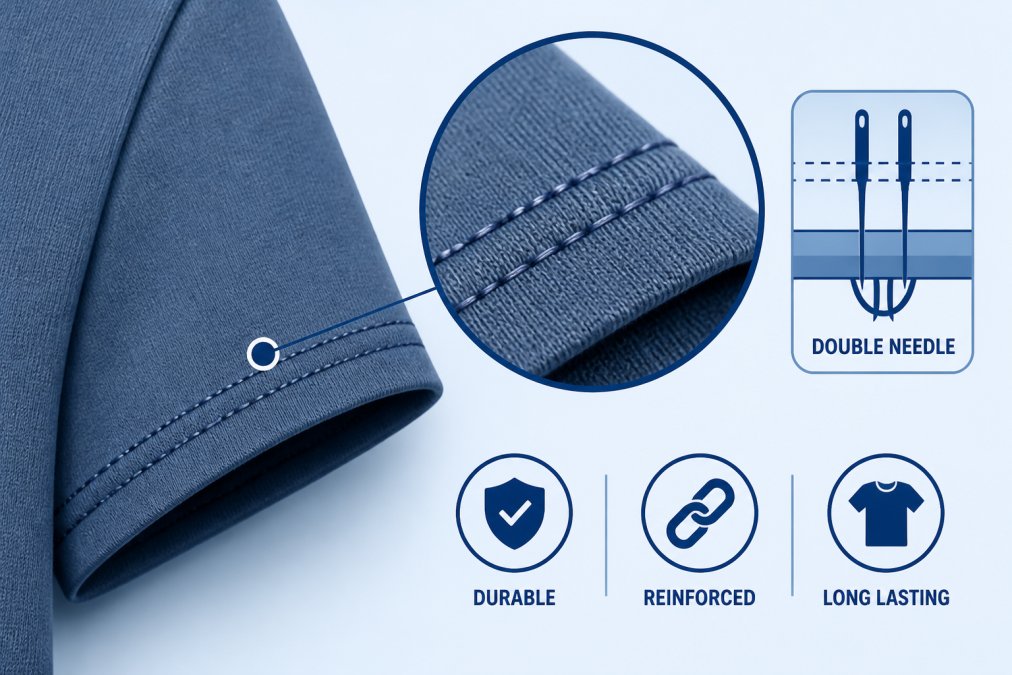
Double-needle stitching creates two parallel lines of thread instead of one, doubling the structural integrity at stress points. Run your finger along the inside of a quality t-shirt's neckline, you'll feel two distinct thread lines, not one. This construction detail appears on sleeve seams, armholes, and hem stitching on premium pieces. Single-needle construction fails first at these high-stress areas where fabric experiences constant tension from arm movement and washing cycles.
Quality manufacturers add reinforced seams at shoulder seams, underarm seams, and where sleeves attach to the body. Some premium brands use bar tacking, a small box of stitches, at pocket corners and stress points where seams meet.
Collar and hem integrity signal quality assurance in ways visible to the naked eye. A quality collar maintains its shape through dozens of washes because it's constructed with reinforced binding or a structured knit band. Hems on quality garments use flat-lock stitching or rolled hems that distribute stress across multiple threads rather than concentrating it on a single stitch line. The difference becomes obvious when you compare a $30 t-shirt to a $65 t-shirt, the premium piece's collar and hem maintain their original appearance after 50 washes, while the budget piece shows visible wear.
Streetwear Fabric Guide: Materials That Last
Canvas and industrial-grade fabrics for workwear-inspired pieces deliver longevity through sheer material density. Canvas, a tightly woven cotton or cotton-blend fabric, ranges from 10-12 ounces per yard (roughly 340-410 GSM). Garments constructed from canvas develop character through wear while resisting tears and damage. The fabric softens with age, becoming more comfortable while maintaining structural integrity.
Raw denim and shrink-resistant treatments represent different approaches to durability. Raw denim arrives unwashed, allowing the wearer to shape the fabric through their own wear patterns. Shrink-resistant treatments stabilize the fabric through chemical processing or specialized washing, ensuring consistent fit and minimal shrinkage. According to denim manufacturing standards, both approaches deliver excellent longevity, the choice depends on whether you value the personalization of raw denim or the predictability of pre-treated fabric.
French terry and knit construction for hoodies differ fundamentally from woven fabrics. Terry knit features small loops on the interior surface that trap air for insulation and create a soft interior feel. Loop density determines durability: higher loop count resists pilling and maintains loft through repeated washing. Premium hoodies use 280+ GSM French terry, where the loop structure remains intact through 50+ wash cycles. The Built Stronger Hoodie | Original French Terry ($90.00) utilizes premium French terry construction, maintaining its interior texture and exterior appearance through extended everyday rotation.
Building a Capsule Wardrobe: Essential Durable Pieces
Heavyweight tees serve as the foundation because they're worn most frequently and face the most cumulative wear. A single t-shirt in regular rotation might be worn 2-3 times per week, creating 100+ annual wears. Investing in 3-4 heavyweight tees in neutral colors, black, white, gray, cream, creates a rotation that distributes wear across multiple garments, extending each piece's lifespan. The [Phoenix Heavyweight Graphic Tee - Relaxed Boxy Fit](https://www.evrmorebrand.com/products/the-evrmore-phoenix-t-shirt-never-looking-back) ($58.00) combines utility with meaningful messaging, creating pieces that work as both foundational basics and statement pieces.

Hoodies and layering pieces provide versatility across seasons while remaining durable workhorses in a functional wardrobe. A quality hoodie worn 2-3 times weekly lasts 3-4 years with proper care. Premium French terry construction resists pilling and maintains its interior softness through extended use. Neutral colorways layer effectively with tees and outerwear while remaining timeless across seasonal trends.
Headwear and accessories that withstand daily use require specific material and construction choices. Quality headwear uses structured fabrics (canvas, twill, or blended materials) with reinforced stitching at stress points where the bill attaches to the crown. Water-resistant treatments add practical durability for everyday conditions. The Water-Resistant 6-Panel Hat With Silicone Patch ($45.00) and Built Stronger Trucker Hat | White ($45.00) feature reinforced construction and practical water resistance, extending their usable lifespan through varied weather conditions.

| Essential Piece | Recommended GSM/Weight | Expected Lifespan | Weekly Wear Frequency | Cost-Per-Wear (3-Year Estimate) |
|---|---|---|---|---|
| Heavyweight T-Shirt | 280-310 GSM | 2-3 years | 2-3 times | $0.12-0.15 |
| Premium Hoodie | 300+ GSM French Terry | 3-4 years | 1-2 times | $0.17-0.23 |
| Quality Headwear | 12 oz canvas or twill | 2-3 years | 3-5 times | $0.08-0.12 |
| Workwear-Inspired Jacket | 10-12 oz canvas | 4-5 years | 1-2 times | $0.13-0.17 |
Streetwear Care Guide: Maintenance for Long-Lasting Garments
Washing techniques to prevent pilling and fading begin before the garment enters the machine. Turn garments inside out before washing to reduce friction on the exterior surface where pilling occurs most visibly. Use cold water, which reduces dye bleeding and fabric stress compared to warm or hot water. Select a gentle or delicate cycle rather than regular. According to fabric care research from the American Cleaning Institute, cold-water washing extends garment lifespan by 30-50% compared to warm-water washing while maintaining color integrity.
Air drying preserves fabric integrity far better than machine drying, which creates friction and heat that accelerates pilling and fading. Hang t-shirts and hoodies on wooden hangers in a well-ventilated space. Machine drying should be reserved for emergencies. Storage in cool, dark spaces prevents UV fading. Fold heavier pieces like hoodies rather than hanging them, which can stretch shoulder seams over time.
Repair and restoration extend garment lifecycle beyond the point where most people discard clothing. Small holes in knit fabrics can be darned using a needle and matching thread. Separated seams can be re-stitched by hand or taken to a tailor for $10-25. Stretched necklines can be reinforced by sewing a narrow elastic band inside the collar, restoring structure and fit. These interventions transform garments that would otherwise be discarded into pieces that function for additional years.
Cost-Per-Wear Analysis: Why Durable Streetwear Saves Money
Calculating long-term value over fast fashion cycles reveals the economic case for quality investment. A $25 t-shirt worn 50 times before degradation costs $0.50 per wear. A $65 t-shirt worn 200 times before degradation costs $0.33 per wear. The premium piece costs 2.6 times more upfront but delivers 4 times the wears, resulting in a lower per-wear cost despite the higher initial investment.
The environmental impact of choosing durable pieces extends beyond personal economics. Textile production consumes massive quantities of water, pesticides, and energy. According to World Bank textile industry analysis, the fashion industry generates approximately 92 million tons of textile waste annually in the United States alone. A garment worn 200 times distributes its environmental cost across those 200 wears. A garment worn 50 times concentrates that same environmental impact into half the wears, doubling the per-wear environmental burden. Choosing durable streetwear that you'll actually wear frequently represents one of the most impactful sustainability decisions an individual can make.
The choice to invest in durable streetwear for everyday wear reflects a commitment to intentional consumption and personal resilience. Quality construction, thoughtful material selection, and proper maintenance transform clothing from disposable commodities into reliable pieces that earn their place in your rotation. EVRMORE's heavyweight tees ($58.00), premium hoodies ($90.00), and quality headwear ($45.00) demonstrate that durability and meaningful design aren't contradictory, they're complementary. When you wear garments built to last, you're wearing pieces as resilient as the individuals who choose them.
Frequently Asked Questions
What makes streetwear durable for everyday wear?
Durable streetwear combines heavyweight fabric construction (typically 300+ GSM), reinforced stitching techniques like double-needle seams, and high-quality fiber density. Pieces designed for everyday rotation feature textile integrity that resists pilling, fading, and wear-and-tear. Premium brands focus on garment construction details, reinforced collar and hem integrity, gusseted seams, and quality assurance throughout, ensuring pieces maintain their appearance and structure through constant use.
What are the best fabrics for durable streetwear?
Heavyweight cotton, canvas fabric, and industrial-grade materials offer superior longevity for streetwear. Raw denim develops character while resisting damage, while shrink-resistant treatments protect fit over time. French terry hoodies provide durable knit construction with substantial weight. GSM (grams per square meter) matters, aim for 300+ GSM for tees and 16+ oz for hoodies. These fabrics resist pilling prevention naturally and maintain their functional design through extended wear cycles.
How do I care for durable streetwear to make it last longer?
Wash in cold water with like colors to prevent fading, and avoid high heat drying to preserve textile integrity. Turn garments inside-out before washing to reduce surface wear. Air-dry when possible rather than machine drying. Store flat or rolled to maintain fit and silhouette. For pilling prevention, use a fabric comb gently. Address small repairs immediately, reinforced stitching is easier to maintain than replace. Proper care extends the garment lifecycle significantly and protects your investment.
Why is cost-per-wear important when buying durable streetwear?
Cost-per-wear analysis reveals true value: a $90 hoodie worn 200 times costs $0.45 per wear, while a $30 piece worn 20 times costs $1.50 per wear. Durable streetwear pieces enter your everyday rotation for years, making premium construction worth the investment. Beyond personal savings, choosing long-lasting garments reduces consumption cycles and environmental impact. This lifecycle cost analysis helps justify premium pricing for quality construction and heavyweight fabrics that actually last.
What essential pieces should I prioritize for a durable streetwear capsule wardrobe?
Start with heavyweight tees in neutral colorways, they're the foundation of street-ready styling. Add a premium French terry hoodie for layering and versatility. Include utility-focused pieces like canvas pants or workwear-inspired bottoms. Headwear like water-resistant caps adds functionality. These wardrobe staples work together across seasons and styles. Focus on timeless aesthetic over trend-driven pieces, heritage-inspired designs maintain relevance longer. Quality construction in these basics ensures they become your everyday rotation pieces for years.
This article was written using GrandRanker


Leave a comment
This site is protected by hCaptcha and the hCaptcha Privacy Policy and Terms of Service apply.