

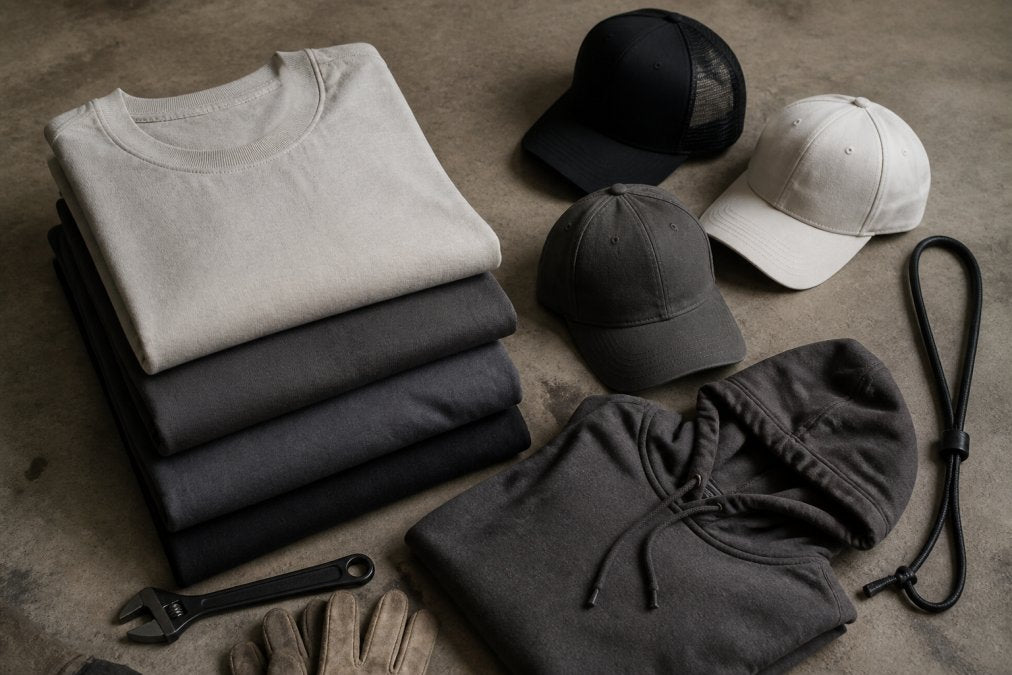
Durable Heavyweight Tees for Everyday Wear: 2026 Guide
Table of Contents
- What Defines a Heavyweight T-Shirt for Everyday Wear
- Best GSM for Heavyweight T-Shirts: Finding the Right Density
- Cotton Quality: Ring-Spun, Combed, and Organic Options
- Construction Quality That Prevents Wear and Tear
- How to Wash Heavyweight Cotton Shirts for Lasting Shape
- Do Heavyweight T-Shirts Shrink? What You Need to Know
- Fit and Silhouette: Boxy vs. Slim for Everyday Comfort
-
Top Durable Heavyweight Tees Compared
- EVRMORE Heavyweight Graphic Tees: Premium Streetwear Built for Resilience
- Shaka Wear Max: Classic 90s Streetwear Durability
- ProClub Heavyweight: Shape Retention and Tensile Strength
- Los Angeles Apparel Garment-Dyed: Vintage Hand Feel with Shrink Control
- Comfort Colors: Soft Lived-In Look for Everyday Wear
Durable Heavyweight Tees for Everyday Wear: 2026 Guide
Last Updated: August 4, 2026
When shopping for durable heavyweight tees, the difference between a shirt lasting three months and three years comes down to four factors: fabric weight, cotton quality, construction methods, and care. At EVRMORE, we've built our collection around these principles because we understand that resilient people deserve clothing that matches that durability. This guide shows you what separates genuine heavyweight construction from marketing hype.
The real problem most shoppers face is understanding what "heavyweight" actually means. Fabric weight matters far more than thread count or brand name, yet most retailers bury this specification. Below, we'll show you how to read fabric specifications, what GSM means, and why some shirts claiming to be "heavyweight" disappoint after the first wash.
What Defines a Heavyweight T-Shirt for Everyday Wear
A heavyweight t-shirt is defined by fabric density, measured in ounces per square yard (oz/yd²) or grams per square meter (GSM). For durable everyday wear, look for shirts weighing 6.0-7.5 oz/yd², approximately 200-250 GSM. This density resists pilling, fading, and thinning while remaining breathable for daily wear.
"Heavyweight" has become a loose marketing term. The only reliable measure is actual fabric weight specification. When you see 6.5 oz or 220 GSM listed, you know exactly what you're getting.
Heavier fabric resists wear and tear better, maintains shape through multiple washes, and develops character rather than falling apart.
Understanding GSM and Fabric Weight Standards
GSM (grams per square meter) is the international standard for measuring fabric density. One square meter of 200 GSM fabric weighs 200 grams. The conversion is straightforward: multiply GSM by 0.0295 to get ounces per square yard. A 6.0 oz/yd² shirt is approximately 200 GSM; a 7.5 oz/yd² shirt is roughly 250 GSM.
Industry standards: anything under 150 GSM is lightweight, 150-200 GSM is midweight, and above 200 GSM is true heavyweight. Premium brands often reach 250+ GSM, creating an almost canvas-like feel.
Why Weight Matters for Daily Durability
Heavier fabric lasts longer because increased density means more fibers per square inch. A 200 GSM shirt typically outlasts a 150 GSM shirt by two to three years under identical conditions. There's a point of diminishing returns, shirts above 280 GSM become impractical for everyday wear because they feel stiff and take longer to dry. The sweet spot for daily use is 200-250 GSM.
Weight also affects shrinkage. Denser fabrics shrink less because fibers are more tightly packed. A 220 GSM shirt might shrink 3-5% while a 150 GSM shirt could shrink 8-12%.
Best GSM for Heavyweight T-Shirts: Finding the Right Density
The best GSM for durable heavyweight tees falls between 200-250 grams per square meter. Below 200 GSM, you lose meaningful durability benefits. Above 250 GSM, you sacrifice breathability and comfort for marginal longevity improvements.
Most quality brands cluster around 210-230 GSM for their flagship everyday tees. At this density, the shirt feels substantial without feeling like workwear, breathes reasonably well, and genuinely lasts years instead of months.
The 6.0 oz to 7.5 oz Sweet Spot
Converting to imperial measurements, 6.0 oz/yd² equals approximately 200 GSM, while 7.5 oz/yd² sits around 250 GSM. This 6.0-7.5 oz range offers the best balance for durable everyday wear. Shirts at the lower end feel like premium basics; shirts at the higher end feel noticeably more substantial, almost like vintage 90s tees.
EVRMORE's heavyweight graphic tees sit at approximately 6.5 oz/yd² (215 GSM), squarely in the middle of this optimal range.

Fabric Density and Longevity Connection
Higher GSM directly correlates with longer garment lifespan. A 250 GSM shirt doesn't last 25% longer than a 200 GSM shirt; it might last 10-15% longer depending on care. The real value is resistance to specific failure modes: pilling, fading, neckline stretching, and seam separation. Denser fabric resists pilling because there's less space between fibers for loose strands to catch. It resists fading because UV light has more material to penetrate.
A 200 GSM shirt cared for properly will outlast a 280 GSM shirt washed carelessly. Construction quality matters as much as raw density. But all else being equal, the heavier shirt wins.
Cotton Quality: Ring-Spun, Combed, and Organic Options
Not all cotton is created equal. Processing method and fiber length dramatically affect how the finished shirt performs. Three main processing types dominate the premium tee market: ring-spun cotton, combed cotton, and organic cotton.
Ring-Spun vs. Combed Cotton
Ring-spun cotton twists individual fibers together rather than simply bundling them, creating smoother, stronger yarn with better color retention. Ring-spun feels softer immediately and gets softer with washing. The downside is cost, ring-spun production runs 20-30% more expensive than standard processing.
Combed cotton uses mechanical combing to remove short fibers and impurities, leaving only longer, higher-quality fibers. Combed cotton feels premium and resists pilling better than standard cotton. For durable everyday wear, combed cotton edges out ring-spun slightly because durability advantage outweighs initial softness difference. EVRMORE's tees use combed ring-spun cotton, combining ring-spun smoothness with combing's durability benefits.
Long-Staple Cotton for Extended Wear
Staple length refers to individual cotton fiber length. Longer fibers create stronger, finer yarn. Standard cotton fibers are 20-25mm long. Long-staple cotton (Pima or Supima) has fibers 32-40mm long. Longer fibers mean fewer fiber-to-fiber connections needed for yarn, resulting in less friction, less pilling, and better color retention.
Long-staple cotton costs 2-3 times more than standard cotton. A 200 GSM long-staple shirt outperforms a 220 GSM standard cotton shirt in real-world wear. Organic cotton is often long-staple and grown without synthetic pesticides, representing the premium tier, durable, sustainable, and soft, but costs significantly more.
Construction Quality That Prevents Wear and Tear
Fabric quality determines 60% of durability. Construction determines the other 40%. Premium 200 GSM fabric sewn with weak seams fails faster than standard 180 GSM fabric with reinforced seams. Most budget brands cut corners here, using decent fabric but terrible stitching.
Double-Needle Stitching and Seam Strength
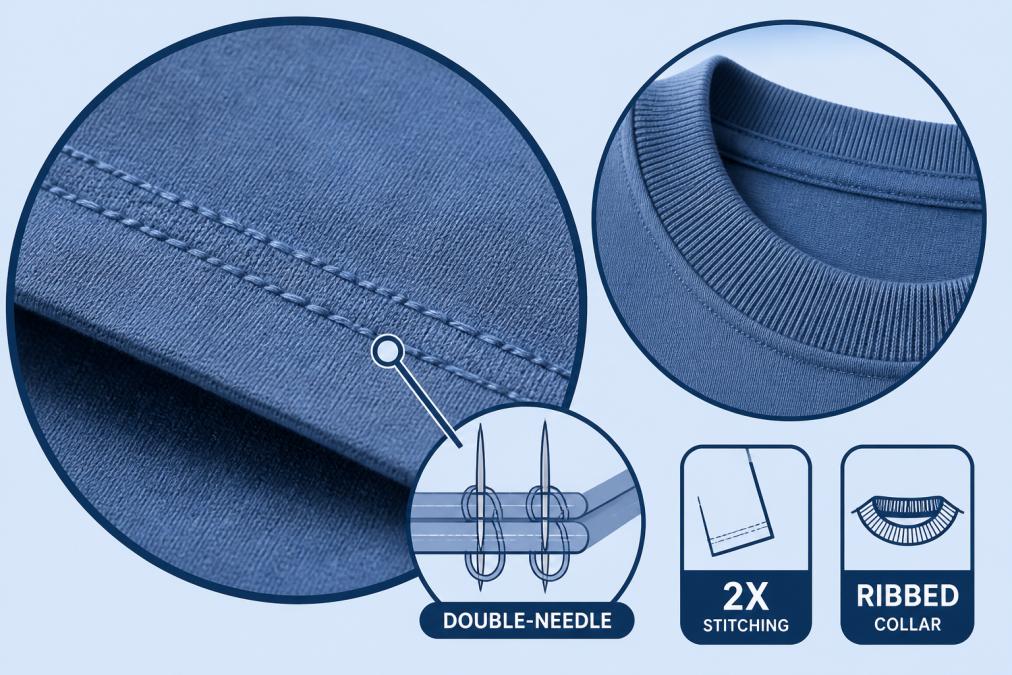
Double-needle stitching runs two parallel needles simultaneously, creating two rows of stitches instead of one. Double-needle seams are roughly twice as strong as single-needle seams and distribute stress more evenly, preventing sudden failures common in budget tees.
Best construction uses double-needle stitching on all stress points: sleeve hems, bottom hem, and shoulder seams. Budget tees often use single-needle stitching on the bottom hem to save money, this is where shirts typically fail first, after 20-30 washes. A double-needle hem lasts 100+ washes; a single-needle hem might fail after 30.
Ribbed Collar and Neckline Integrity
The neckline is the second most common failure point after the bottom hem. The ribbed collar stretches and contracts with every wash and wear cycle. Cheap collars use thin ribbing that loosens permanently after 10-15 washes, making the shirt unwearable.
Quality construction uses thicker ribbing (often called "1x1 ribbed" or "high-ribbed" collar) that maintains shape through hundreds of washes. A second indicator of neckline quality is the taped shoulder seam, a fabric strip sewn across the shoulder seam to distribute stress and prevent tearing.
How to Wash Heavyweight Cotton Shirts for Lasting Shape
Durability is a partnership between construction and care. Even the best-made shirt deteriorates if washed improperly.
Temperature, Detergent, and Drying Methods
Wash heavyweight cotton tees in cold water. Hot water breaks down cotton fibers faster and causes aggressive shrinkage. Cold water preserves color, reduces shrinkage to 2-3% instead of 5-8%, and is gentler on seams. Use regular detergent; specialty products aren't necessary. Avoid bleach and oxygen-based cleaners on colored tees because they accelerate fading. Wash inside-out to reduce pilling and protect graphics from friction.
Dry on low heat or air dry. High heat accelerates fiber degradation and causes unnecessary shrinkage. Most critical rule: don't over-wash. Wear tees 2-3 times before washing if not visibly soiled. This alone extends lifespan by 30-40% by cutting total wash cycles by a third.
Preventing Shrinkage and Maintaining Hand Feel
Pre-shrinking happens at the mill before the shirt reaches you. Quality manufacturers pre-shrink fabric to minimize shrinkage in the finished product. Expect 2-5% shrinkage in length and width on the first wash, then minimal additional shrinkage afterward.
To minimize first-wash shrinkage, wash in cold water and dry on low heat. Hand feel improves with washing when using proper technique. Cold water and low-heat drying preserve natural cotton oils that create softness. After 10-15 washes with proper care, a quality heavyweight cotton tee reaches optimal hand feel, soft but substantial, comfortable but durable.
Do Heavyweight T-Shirts Shrink? What You Need to Know
Yes, heavyweight t-shirts shrink, but the amount depends on cotton type, GSM, and washing method. Understanding shrinkage is critical because buying the wrong size based on shrinkage assumptions results in a shirt that doesn't fit.
Shrinkage Rates by Cotton Type and GSM
Standard cotton typically shrinks 5-8% in both length and width. Long-staple cotton shrinks 2-4%. Combed cotton shrinks 3-5%. Ring-spun cotton shrinks 4-6%. Organic cotton shrinks 3-5% depending on processing. These percentages apply to the first wash. Subsequent washes cause minimal additional shrinkage (under 1%). Heavier fabrics (220+ GSM) shrink slightly less than lighter fabrics because fibers are more tightly packed.
If buying a heavyweight tee made from standard cotton, expect 5-7% shrinkage on first wash. If long-staple or combed, expect 3-4%. If unsure, buy a size up if between sizes.
Pre-Shrinking and Garment-Dyed Methods
Pre-shrinking is a mill process where fabric is washed and dried before being cut and sewn. This removes most shrinkage before the finished shirt reaches you. Pre-shrunk shirts typically shrink only 1-2% on first wash, then negligibly afterward. Quality manufacturers pre-shrink their fabric. Budget manufacturers skip this to save money.
Garment-dyed construction means the shirt is sewn first, then dyed in finished form. This typically results in minimal shrinkage (1-3%) because fabric has already been stabilized during sewing. Garment-dyed shirts develop a softer, more vintage hand feel because dye penetrates fibers more evenly.
Fit and Silhouette: Boxy vs. Slim for Everyday Comfort
Fit determines whether you'll actually wear the shirt. The best-constructed, most durable tee is useless if it doesn't fit your body or aesthetic.
Dropped Shoulders and Oversized Cuts
A dropped shoulder means the shoulder seam sits lower than your natural shoulder point, typically 1-3 inches down the arm. This creates a relaxed, contemporary silhouette that works on most body types and is now standard on quality tees.
Boxy fit means minimal taper from chest to hem, the same width at chest as at waist. This differs from oversized, which is intentionally large. A boxy fit looks intentional; oversized looks sloppy on most people. For everyday wear, boxy fit is more practical than oversized. EVRMORE's tees use boxy fit with dropped shoulders, the contemporary standard.
Body Type Recommendations for Durable Heavyweight Tees
For athletic builds, standard boxy fit works well because shoulders and chest fill the shirt naturally. For leaner builds, boxy fit works but might feel slightly loose, consider sizing down one size if between sizes. For larger builds, boxy fit is more flattering than slim fit because it doesn't cling. The real rule: fit is personal. Most people feel confident in a shirt that skims their body without clinging or drowning.
Top Durable Heavyweight Tees Compared
| Brand | GSM / Weight | Cotton Type | Construction | Starting Price | Best For |
|---|---|---|---|---|---|
| EVRMORE | 215 GSM / 6.5 oz | Combed ring-spun | Double-needle, ribbed collar | $45 | Message-driven streetwear, everyday rotation |
| Shaka Wear Max | 250 GSM / 7.5 oz | 100% USA cotton | Double-needle, satin label | $5-14 | 90s streetwear aesthetic, maximum weight |
| ProClub | 217 GSM / 6.5 oz | 100% cotton | Double-needle, Lycra ribbed collar | $9-10 | Shape retention, work environments |
| Los Angeles Apparel | 220 GSM / 6.5 oz | 100% USA cotton (garment-dyed) | Double-needle, shrink-free | $26 | Vintage aesthetic, minimal shrinkage |
| Comfort Colors | 203 GSM / 6.1 oz | Ring-spun cotton (garment-dyed) | Double-needle, twill-taped | $15 | Soft hand feel, unique color options |
EVRMORE Heavyweight Graphic Tees: Premium Streetwear Built for Resilience
EVRMORE's heavyweight tees are engineered for people who understand that what you wear reflects what you've survived. Built at 215 GSM (6.5 oz) with combed ring-spun cotton, these shirts deliver genuine durability without sacrificing everyday wearability. Double-needle stitching throughout, a reinforced ribbed collar, and a boxy fit with dropped shoulders work across body types and styling contexts.
Graphics use DTF (direct-to-film) technology, bonding ink to fiber rather than sitting on top.
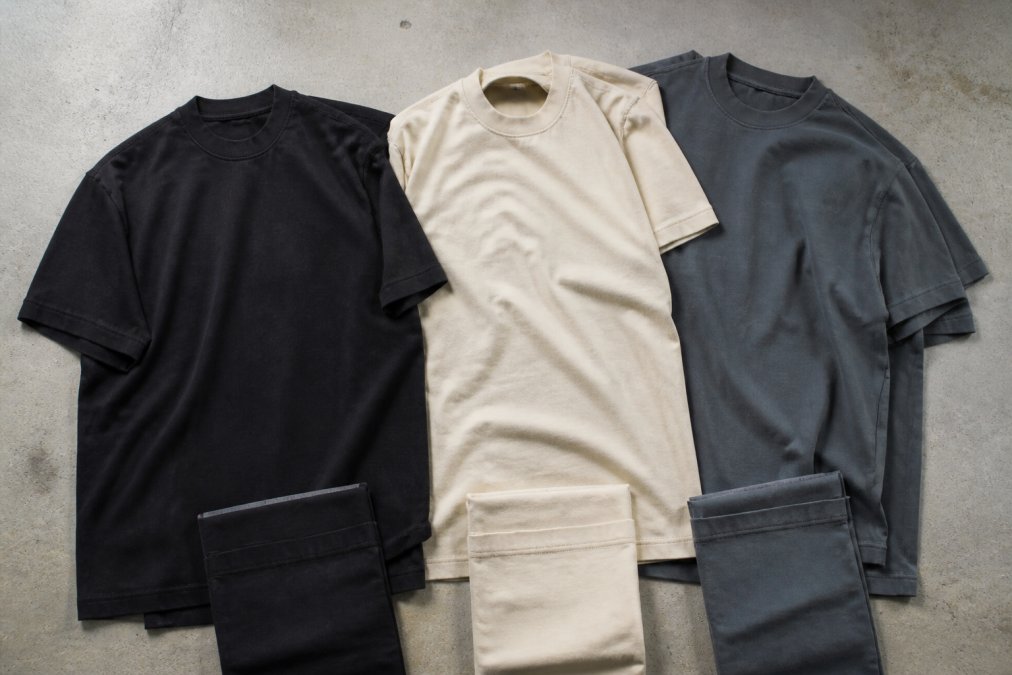
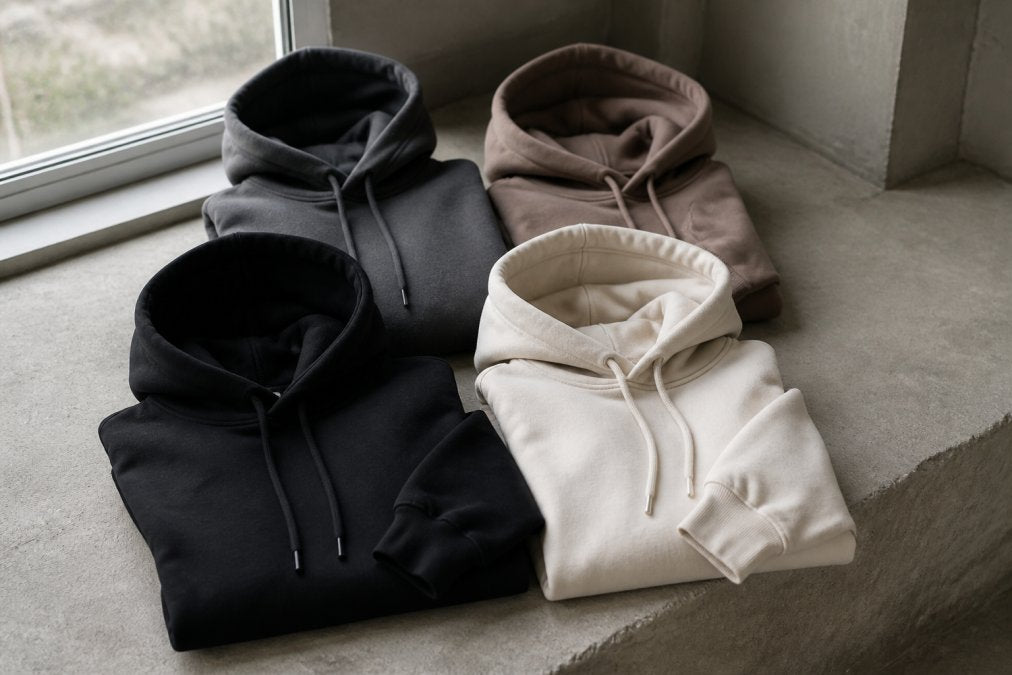
Available in Black, Vintage Pearl, and Slate, EVRMORE's colorways are chosen for versatility. At $45 per shirt, EVRMORE sits in the premium-basics category. For construction quality, fabric specifications, and design intentionality, the price is justified.
Shaka Wear Max: Classic 90s Streetwear Durability
Shaka Wear Max represents the gold standard for maximum weight. At 250 GSM (7.5 oz), these shirts are noticeably heavier than standard offerings. Made from 100% USA cotton with double-needle stitching throughout and a satin label for comfort.
The fit is oversized with slight drop shoulder, appealing specifically to people wanting classic 90s streetwear silhouette. Durability is exceptional. The trade-off is they feel heavier on your body, take longer to dry, and don't breathe as well as 200-220 GSM options. Pricing ranges from $5-14 depending on where you buy, making Shaka Wear Max exceptional value for construction quality.
ProClub Heavyweight: Shape Retention and Tensile Strength
ProClub is the workhorse option. At 217 GSM (6.5 oz), the weight matches EVRMORE, but construction philosophy differs. ProClub optimizes for shape retention and consistent performance across hundreds of washes. The ribbed collar includes Lycra, maintaining elasticity better than pure cotton. Double-needle stitching is reinforced with shoulder-to-shoulder tape, distributing stress and preventing shoulder seams from tearing.
At $9-10 per shirt, ProClub is the budget option on this list. For construction quality, this is exceptional value. The downside is minimal design, these are blank tees with no graphics or messaging.
Los Angeles Apparel Garment-Dyed: Vintage Hand Feel with Shrink Control
Los Angeles Apparel's garment-dyed tees are made from 100% USA cotton at 220 GSM (6.5 oz), then dyed in finished shirt form. This creates softer hand feel and minimal shrinkage (1-3% instead of 5-8%). Construction includes double-needle stitching and high-ribbed collar maintaining its shape.
The garment-dye process gives these shirts a vintage aesthetic right out of the box. At $26 per shirt, these are 50% more expensive than EVRMORE and nearly 3x ProClub's cost. Quality justifies the cost if you value the aesthetic and minimal shrinkage.
Comfort Colors: Soft Lived-In Look for Everyday Wear
Comfort Colors uses ring-spun cotton at 203 GSM (6.1 oz), then applies garment-dye process creating a soft, lived-in aesthetic. Shirts are pre-shrunk and soft-washed, feeling comfortable immediately. Construction is solid with double-needle stitching and twill-taped neck and shoulders. The real differentiator is the color palette, Comfort Colors offers dozens of unique, faded colorways unavailable elsewhere.
At $15 per shirt, Comfort Colors sits between budget basics and premium options. The downside is slightly lower GSM than competitors, meaning marginally less durability over 3+ years.
The difference between a t-shirt that falls apart and one that becomes a wardrobe staple comes down to intentional choices: fabric weight, cotton quality, construction methods, and care. When you understand these factors, shopping for durable heavyweight tees becomes straightforward.
EVRMORE's heavyweight tees represent this philosophy. Built at 215 GSM with combed ring-spun cotton, double-needle construction, and fit designed for real life, they're engineered for people refusing to compromise on quality. The Never Looking Back Heavyweight Graphic Tee in Slate and the Built Stronger Tee in Black both deliver this durability with meaningful design reflecting your journey. Start with one and experience how genuine quality feels different. You'll understand why it matters.

Frequently Asked Questions
What GSM should I look for in a durable heavyweight t-shirt?
Look for 6.0 oz to 7.5 oz per square yard (200-220 GSM) for optimal everyday durability. This weight range balances fabric density with breathability. Anything below 6.0 oz tends to thin out faster with wear, while 7.5 oz and above provides excellent longevity. Ring-spun cotton at these weights delivers superior shape retention and hand feel compared to standard cotton blends.
Do heavyweight t-shirts shrink more than regular tees?
Heavyweight t-shirts can shrink 3-5% with hot water washing, similar to regular tees. The difference lies in control: garment-dyed and pre-shrunk options minimize shrinkage to under 2%. To prevent shrinkage, wash in cold water, air dry, or use low heat. 100% cotton shrinks more than cotton-polyester blends. Buying one size up initially accounts for expected shrinkage if you prefer a relaxed fit.
How do you wash heavyweight cotton shirts to keep them lasting longer?
Wash in cold water with mild detergent inside-out to preserve graphics and color. Air dry or use low heat to avoid shrinkage and fabric degradation. Wash with similar colors to prevent dye transfer. Avoid fabric softener, which breaks down cotton fibers. For graphic tees like EVRMORE's pieces, turn inside-out before washing to protect DTF prints. Proper care extends garment life by 2-3 years compared to high-heat drying methods.
What makes a heavyweight t-shirt actually durable for everyday wear?
True durability comes from three factors: fabric weight (6.0+ oz), construction quality (double-needle stitching and reinforced necklines), and cotton type (ring-spun or long-staple). Double-needle seams prevent splitting at stress points. Ribbed collars with Lycra maintain shape through hundreds of washes. Premium cotton resists pilling and fading better than standard blends. EVRMORE's heavyweight tees combine all three, designed specifically for daily wear without degradation.
Is a boxy fit better for durability than a fitted cut?
Boxy fits reduce stress on seams and fabric by distributing wear more evenly, which extends garment life. Fitted cuts create tension points at shoulders and sides that wear faster. For everyday durability, a relaxed or oversized silhouette with dropped shoulders minimizes strain. The fit also affects layering capability, boxy cuts work better over long sleeves without binding. Comfort and longevity both favor the relaxed aesthetic.
This article was written using GrandRanker

Leave a comment
This site is protected by hCaptcha and the hCaptcha Privacy Policy and Terms of Service apply.